


Frequently Bought Together
Everything you need in one click

ورق صنفرة جالاكسي (220)

فرشاة الطلاء (Delta) قياس (1")

National Paints Emulsion Matt, 18L, Wall Paint for Feature & Accent Areas – Matt Black
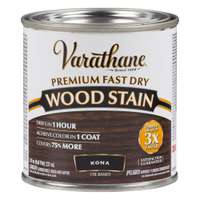
صبغة خشب فاخرة سريعة الجفاف من راست أوليوم فاراثان لون (Kona)
Individual Price
131.00Buy selected items separately
Bundle Price
FREE Returns
Upgrade to Fepy Pro and get up to 10% off all orders.
- مثالي لصنفرة الأسطح.
- درجة 220.
- مادة كاشطة من الكوارتز الطبيعي.
- مثالي لتلميع المعادن.
- وصف المنتج
Key Features


- 100% free subscription
- Easy Registration
Frequently Bought Together
Everything you need in one click
ورق صنفرة جالاكسي (220)
فرشاة الطلاء (Delta) قياس (1")
National Paints Emulsion Matt, 18L, Wall Paint for Feature & Accent Areas – Matt Black
صبغة خشب فاخرة سريعة الجفاف من راست أوليوم فاراثان لون (Kona)
Individual Price
131.00Buy selected items separately
Bundle Price
Features & Benefits
ورق صنفرة بدرجة 220 مثالي لصنفرة وتلميع الأسطح الصلبة مثل الخشب، واللسان، والمعادن، والحجر. يستخدم مادة كاشطة من الكوارتز الطبيعي لإزالة علامات وخدوش السطح بفعالية، تاركًا لمسة نهائية ناعمة كالزجاج. يُفضل استخدام هذه الدرجة الناعمة للحصول على لمسة نهائية دقيقة.
يتميز ورق صنفرة جالاكسي 220 بأداء اقتصادي وفعال. تضمن الطبقة الخلفية المصنوعة من الكربوراندوم المصنوعة من القماش المبركن مقاومة ممتازة للتمزق. علاوة على ذلك، تساعد خاصية مقاومة الماء للورق على إطالة عمره الافتراضي.
يوفر الحبيبات الحادة تجانسًا أعلى، وإزالة أسرع للخامات، ولمسةً نهائية أنعم. يمكنك بسهولة تعديل الورق ليناسب احتياجاتك الخاصة. يأتي مزودًا بطبقة خاصة لمنع انسداد حتى أكثر المواد الكاشطة دقة.
ورق الصنفرة جالاكسي 220 جريت، يمكن استخدامه على جميع أنواع المواد، ويعمل بكفاءة على الأسطح المنحنية. يُعد خيارًا مثاليًا للأعمال الخشبية الداخلية والخارجية، ولصقل وتلميع المعادن بفضل ملمسه الناعم.
Key Specifications
حالة المخزون المخصصة
In Stock
الوزن
0.170000
العلامات التجارية
Galaxy
عدد الوحدات (الكمية)
NOS
نوع العنصر
ورق رملية
الأبعاد
11 X 9"
Products Ranking
Top 10 in Sand Paper & Abrasives
Best Seller
No
Frequently Asked Questions
What is Galaxy 220 Grit Sand Paper and what is it best used for?
Galaxy 220 Grit Sand Paper is a coarse, heavy‑duty abrasive designed to remove imperfections and smooth surfaces. It is best used for rough shaping, paint stripping, and prep work where you need to remove material quickly on wood, plaster, or metal.
Which materials can Galaxy 220 Grit be used on?
It is suitable for wood, plaster, and metal surfaces, making it a versatile choice for various home and professional projects that require aggressive material removal.
How does Galaxy 220 Grit compare to Galaxy 240 Grit and Galaxy 320 Grit?
Galaxy 220 Grit is coarser and more aggressive than both 240 and 320 grits. Use 220 for rapid material removal and rough shaping, 240 for a bit finer removal with more control, and 320 when you want a smoother finish sooner. Alternatives on Fepy include Galaxy 240 Grit Sand Paper (https://fepy.com/product/galaxy-240-grit-sandpaper) and Galaxy 320 Grit Sand Paper (https://fepy.com/product/galaxy-320-grit-sandpaper).
What are the common use cases for Galaxy 220 Grit?
Common use cases include stripping paint, removing rust, smoothing rough surfaces, and preparing a surface for primer or paint where heavy material removal is needed.
How do I install Galaxy 220 Grit sandpaper on my sander?
Ensure the sander is powered off, align the sandpaper with the sanding pad, secure it with clamps or the hook-and-loop system, and make sure there are no wrinkles. Start with light contact and keep the pad flat against the surface as you work.
What sanding technique should I use with 220 grit for best results?
Use even, steady strokes with light to moderate pressure. Move the sander in smooth, overlapping passes, follow the workpiece grain on wood when appropriate, and periodically lift to clear dust and prevent heat buildup.
What safety tips should I follow when using coarse sandpaper?
Wear safety glasses to protect from flying debris, a dust mask or respirator to avoid inhaling dust, and work in a well-ventilated area or with a dust extraction system. Keep fingers clear of the moving pad and unplug the tool when changing sandpaper.
Is Galaxy 220 Grit a good choice for beginners?
Yes, it can be suitable for beginners when tackling heavy material removal tasks. Start with light pressure to avoid gouging and gradually increase control as you gauge the surface response.
What other Galaxy sandpapers are available on Fepy for different finishes?
If you need finer finishes or different aggressiveness levels, you can consider Galaxy 240 Grit, Galaxy 320 Grit, or Galaxy 400 Grit Sand Papers on Fepy: Galaxy 240 Grit (https://fepy.com/product/galaxy-240-grit-sandpaper), Galaxy 320 Grit (https://fepy.com/product/galaxy-320-grit-sandpaper), Galaxy 400 Grit (https://fepy.com/product/galaxy-400-grit-sandpaper).
Can Galaxy 220 Grit be used on different types of sanders like orbital or belt sanders?
Yes. 220 Grit sandpaper can be used with compatible orbital, finishing, or belt sanders as long as the pad and backing are suitable for the paper size and hook-and-loop or clamp attachment.
How do I decide if 220 grit is the right choice for my project?
Choose 220 grit when you need rapid material removal and surface defacement of rough areas. If you’re aiming for a smoother finish or preparing a surface for a finish coat, you may want to move to a finer grit (e.g., 240–320) after initial shaping.
What finish should I expect when using Galaxy 220 Grit compared to finer grits?
Using 220 grit will leave a noticeably rougher scratch pattern and faster material removal. Finer grits (like 240, 320, or 400) will progressively produce a smoother finish with fewer visible scratches.
Frequently Asked Questions
Galaxy 220 Grit Sand Paper is a coarse, heavy‑duty abrasive designed to remove imperfections and smooth surfaces. It is best used for rough shaping, paint stripping, and prep work where you need to remove material quickly on wood, plaster, or metal.
It is suitable for wood, plaster, and metal surfaces, making it a versatile choice for various home and professional projects that require aggressive material removal.
Galaxy 220 Grit is coarser and more aggressive than both 240 and 320 grits. Use 220 for rapid material removal and rough shaping, 240 for a bit finer removal with more control, and 320 when you want a smoother finish sooner. Alternatives on Fepy include Galaxy 240 Grit Sand Paper (https://fepy.com/product/galaxy-240-grit-sandpaper) and Galaxy 320 Grit Sand Paper (https://fepy.com/product/galaxy-320-grit-sandpaper).
Common use cases include stripping paint, removing rust, smoothing rough surfaces, and preparing a surface for primer or paint where heavy material removal is needed.
Ensure the sander is powered off, align the sandpaper with the sanding pad, secure it with clamps or the hook-and-loop system, and make sure there are no wrinkles. Start with light contact and keep the pad flat against the surface as you work.
Use even, steady strokes with light to moderate pressure. Move the sander in smooth, overlapping passes, follow the workpiece grain on wood when appropriate, and periodically lift to clear dust and prevent heat buildup.
Wear safety glasses to protect from flying debris, a dust mask or respirator to avoid inhaling dust, and work in a well-ventilated area or with a dust extraction system. Keep fingers clear of the moving pad and unplug the tool when changing sandpaper.
Yes, it can be suitable for beginners when tackling heavy material removal tasks. Start with light pressure to avoid gouging and gradually increase control as you gauge the surface response.
If you need finer finishes or different aggressiveness levels, you can consider Galaxy 240 Grit, Galaxy 320 Grit, or Galaxy 400 Grit Sand Papers on Fepy: Galaxy 240 Grit (https://fepy.com/product/galaxy-240-grit-sandpaper), Galaxy 320 Grit (https://fepy.com/product/galaxy-320-grit-sandpaper), Galaxy 400 Grit (https://fepy.com/product/galaxy-400-grit-sandpaper).
Yes. 220 Grit sandpaper can be used with compatible orbital, finishing, or belt sanders as long as the pad and backing are suitable for the paper size and hook-and-loop or clamp attachment.
Choose 220 grit when you need rapid material removal and surface defacement of rough areas. If you’re aiming for a smoother finish or preparing a surface for a finish coat, you may want to move to a finer grit (e.g., 240–320) after initial shaping.
Using 220 grit will leave a noticeably rougher scratch pattern and faster material removal. Finer grits (like 240, 320, or 400) will progressively produce a smoother finish with fewer visible scratches.
Ratings & Reviews
See what customers are saying
No reviews yet
Be the first to review this product after purchase.
No reviews yet. Reviews appear here once customers review their orders.
No reviews yet
Be the first to review this product after purchase.
No reviews yet. Reviews appear here once customers review their orders.
Similar Products
More from Galaxy
Bestsellers from ورق الصنفرة و مواد الكشط
Why Buy From Fepy
We provide the best shopping experience
Manufacturer Warranty
Official warranty coverage from brand manufacturers
99% Claims resolved
Cash on Delivery
Choose Cash or Card as your payment
AED 100+ Min. order value
Secure Payment
100% secure payment processing
256-bit SSL encryption
Free Delivery
On all orders above AED 200 across UAE
Same Day In Abu Dhabi & Dubai
100% Genuine
Authentic products guaranteed
Authorized Distributor
Free Returns
7-day easy return policy
No questions Asked policy
Years Experience
UAE Stores
Happy Customers
Products
Trusted by Leading Brands
We are authorized distributors for top global brands
Manufacturer Warranty
Official warranty coverage from brand manufacturers
99% Claims resolved
Cash on Delivery
Choose Cash or Card as your payment
AED 100+ Min. order value
Secure Payment
100% secure payment processing
256-bit SSL encryption
Free Delivery
On all orders above AED 200 across UAE
Same Day In Abu Dhabi & Dubai
100% Genuine
Authentic products guaranteed
Authorized Distributor
Free Returns
7-day easy return policy
No questions Asked policy