







By Khalid Al Mansoori, Senior Procurement Specialist | Published: April 2026
Having specified drainage components for villa compounds in Jumeirah and low-rise commercial blocks across Al Quoz, I've seen procurement teams routinely confuse gully traps with standard floor traps — then order the wrong item and lose two days waiting for a replacement delivery. The ceramic gully trap is a distinct product with a specific role on site, and getting that distinction right at the specification stage saves real money and real time.
What Is a Gully Trap — and How Is It Different from a Floor Trap?
A gully trap is an external drainage fitting designed to collect surface water, waste water from pipes, and runoff — then channel it into the underground drainage system while blocking sewer gases from escaping back to the surface. It sits at or just below ground level outdoors, or at the base of a downpipe or waste stack.
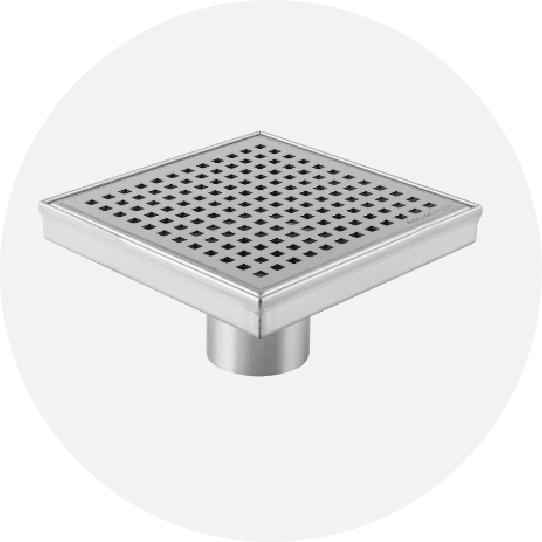
A floor trap (also called a floor waste trap or floor drain trap) is an internal fitting embedded in bathroom, kitchen, or balcony floors. It captures waste water at the finished floor level and connects into the building's internal drainage stack.
The functional overlap — both use a water seal to block sewer gas — leads to the confusion. But the structural and material differences matter enormously on a UAE site:
- Gully traps are built for external, below-grade installation; they handle larger debris loads, vehicle wash runoff, and are exposed to compaction and ground movement.
- Floor traps are embedded in finished concrete or screed inside the building envelope — smaller, shallower, and not rated for external load-bearing conditions.
Installing a standard UPVC floor trap in an external gully position is a common site error in UAE villa projects. It fails under foot traffic, ground pressure, and UV exposure within months.
Why Ceramic for Gully Traps?
Ceramic (vitrified clay) has been the traditional material for gully traps in the GCC for decades — and it remains in active use for good reasons:
- Chemical resistance: Ceramic is inert to the alkaline soils common in UAE desert terrain, as well as to detergents and cleaning chemicals used in car washes and commercial kitchens.
- Thermal stability: In a 45–50°C+ summer ground environment, ceramic does not deform, soften, or off-gas. Standard PVC begins to soften above 60°C — with ground temperatures in direct-sun areas exceeding that threshold in July and August.
- Compressive strength: A glazed ceramic gully trap body withstands the compaction pressures of surrounding backfill and light foot traffic without cracking.
- Longevity: Correctly installed ceramic gully traps in UAE residential compounds routinely outlast 20+ year project cycles without replacement.
Where Ceramic Gully Traps Are Used in UAE Projects
External Villa and Compound Drainage
In UAE villa projects — particularly in older compounds in Mirdif, Jumeirah, and Al Ain — ceramic gully traps collect surface runoff from paved courtyards, garden areas, and AC condensate discharge points. They connect into the external foul water drainage network before it reaches the municipal sewer.
Car Wash and Vehicle Maintenance Areas
Commercial car wash bays, parking basement wash-down areas, and vehicle service pits use ceramic gully traps to handle high-volume water discharge combined with detergent and oil residue. The ceramic glaze resists chemical degradation from repeated detergent contact — a condition that degrades standard UPVC fittings over a two-to-three-year cycle.
Base of Downpipes and Waste Stacks
In low-rise residential and G+1 commercial buildings, the base of an external rainwater or waste downpipe typically terminates into a ceramic gully trap before connecting to the underground drain. This is standard practice across Dubai Municipality-approved construction drawings for villa typologies.
Commercial Kitchen Outdoor Drainage
Outdoor grease trap overflows and kitchen yard drainage in restaurants and catering facilities route through ceramic gully traps — chosen for their resistance to food-grade cleaning chemicals and hot water discharge.
Ceramic Gully Trap Sizes — 6×4 Inch and the Standard Range
In the UAE market, ceramic gully traps are specified primarily by inlet and outlet dimensions. The standard sizes you'll encounter on site:
| Size Description | Inlet (Top) | Outlet | Typical Application | Approx. AED Price Range |
|---|---|---|---|---|
| 6×4 inch (standard) | 6 inch (150mm) | 4 inch (100mm) | Villa courtyards, car wash bays, downpipe bases | AED 35–80 |
| 9×6 inch (large) | 9 inch (225mm) | 6 inch (150mm) | Commercial kitchens, high-flow drainage, industrial yards | AED 90–160 |
| 6×4 inch with back inlet | 6 inch (150mm) | 4 inch (100mm) back outlet | Wall-adjacent pipe terminations, basement perimeter drainage | AED 45–95 |
The 6×4 inch (150mm × 100mm) is the single most common size on UAE villa and low-rise commercial projects. It suits standard 100mm foul water drainage pipework — the dominant pipe size in UAE residential pipe and pipe fitting specifications.
Ceramic vs UPVC Gully Trap: Key Differences
| Factor | Ceramic Gully Trap | UPVC Gully Trap |
|---|---|---|
| Heat resistance | Excellent — unaffected by ground temps up to 100°C+ | Moderate — risk of deformation above 60°C in direct-sun ground |
| Chemical resistance | High — inert to alkalis, detergents, acids | Good for most chemicals; vulnerable to some solvents |
| Compressive load | High — handles backfill compaction and foot traffic | Lower — can deform under heavy compaction |
| Weight and handling | Heavy — more labour to handle on site | Lightweight — faster installation |
| Cost | AED 35–160 depending on size | AED 20–80 depending on size |
| Lifespan (UAE conditions) | 20+ years typical | 10–15 years in external positions |
| Best for | External drainage, car wash, high-heat zones | Internal drainage, cost-sensitive residential projects |
For internal bathroom and kitchen drainage applications, UPVC remains perfectly adequate and dominant. The ceramic advantage is specifically in external, high-heat, or chemically aggressive environments.
Floor Trap vs Gully Trap: Quick Reference
| Feature | Floor Trap | Gully Trap |
|---|---|---|
| Location | Internal — bathroom, kitchen, balcony floor | External — courtyard, car park, downpipe base |
| Load rating | Light pedestrian | Pedestrian + compaction + vehicle (large sizes) |
| Water seal depth | 25–50mm typical [BS EN 274-1] | 50–75mm typical — deeper for outdoor evaporation risk |
| Common material | UPVC, stainless steel, cast iron | Ceramic, UPVC, cast iron |
| Cover type | Square or round grating, recessed tile insert | Cast iron or galvanised grating, hinged cover |
Installation Guide: Ceramic Gully Trap on UAE Sites
Step 1 — Excavation and Bedding
Excavate to the required invert level — typically 300–500mm below finished ground level for a 6×4 inch unit. Lay a 100mm concrete bed (minimum C15 mix) to prevent settlement. In UAE sandy soil conditions, a lean concrete surround is strongly recommended rather than sand bedding alone — desert sand provides inadequate lateral support and allows trap migration over time.
Step 2 — Setting the Trap
Lower the ceramic body onto the concrete bed with the outlet aligned to the drainage run. Ceramic units are heavy — a 6×4 inch piece typically weighs 4–7 kg. Use two workers for handling to avoid chipping the glazed body, which compromises chemical resistance at the chip point. Ensure the unit is perfectly level — a tilted gully trap creates sediment pooling in the body.
Step 3 — Pipe Connection
Connect the 100mm outlet to the underground drainage pipe using a flexible rubber coupler or mortar joint, depending on the pipe specification. Most UAE drainage runs use UPVC socketed pipe — confirm joint compatibility before backfilling. Never use rigid cement mortar directly onto a ceramic outlet without a flexible interface; ground movement causes cracking at rigid joints.
Step 4 — Surround and Backfill
Haunch concrete around the ceramic body to the top of the outlet pipe. Backfill above in 150mm compacted layers. Do not use mechanical compactors directly adjacent to the ceramic body — hand-compact within 300mm of the unit.
Step 5 — Frame and Grating
Set the cast iron or galvanised steel frame into fresh mortar at finished surface level. Ensure the grating sits flush — a proud grating creates a trip hazard and a sunken grating pools water. In car wash bays, specify a hinged grating for easy cleaning access.
Water Seal Maintenance in UAE Climate
In outdoor positions during summer, the water seal in a gully trap can evaporate within 2–4 weeks if the trap sees no discharge. For infrequently used external traps — seasonal garden areas, underused car parks — specify a deep-seal ceramic body (75mm water seal minimum) or install an anti-evaporation ball float insert. This is a genuine operational issue on UAE sites that most specifications overlook.
Safety, Compliance and Dubai Municipality Requirements
Gully trap installations in UAE must comply with Dubai Municipality's plumbing and drainage regulations, which reference BS EN standards for trap water seal depths and gully construction. The minimum water seal depth of 25mm for indoor traps and 50mm for external gully traps is established under BS EN 274-1 (sanitary tapware and trap performance requirements). External gully traps in commercial vehicle areas may additionally require interceptor fittings to capture oil and grease before discharge to the municipal sewer — check project-specific Civil Defence and municipality approvals.
All plumbing materials used on Dubai Municipality-approved projects must comply with relevant Emirates Authority for Standardisation and Metrology (ESMA) product conformity requirements. Ceramic gully traps should carry manufacturer certification confirming glaze integrity and dimensional compliance with project specifications.
Top Brands for Ceramic Gully Traps in the UAE Market
| Brand | Origin | Notes |
|---|---|---|
| Raktherm | UAE / RAK | Strong local distribution, competitive pricing for UAE villa projects |
| Crane | International | Established drainage brand with ceramic and UPVC gully trap range |
| Saudi Ceramics | Saudi Arabia | Wide GCC distribution; ceramic sanitary and drainage products |
| Hepworth (Wavin) | UK / International | Well-specified on consultant-driven UAE projects; strong technical datasheet support |
| Terrain (Aliaxis) | International | Drainage systems widely used on UAE high-rise and commercial projects |
| Rex (local distributor) | GCC market | Budget ceramic gully traps for residential and villa renovation projects |
Where to Buy Ceramic Gully Traps in the UAE
Ceramic gully traps are stocked by plumbing merchants across Dubai, Abu Dhabi, and Sharjah — typically available from AED 35 for standard 6×4 inch units. For MEP procurement teams managing multiple villa or commercial projects, buying online with documented specifications is faster and avoids the common site issue of incorrect size delivery.
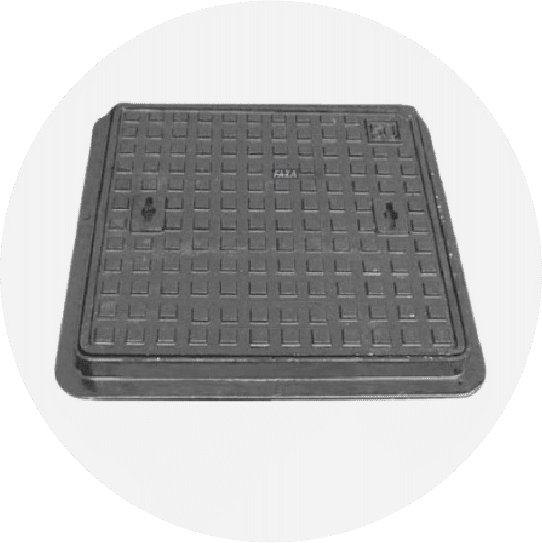
Browse the full range of floor traps and gully traps on FEPY, or explore related plumbing supplies for your project. If your project involves matching drainage accessories, the pipes and fittings category covers compatible underground drainage pipework. For internal shower and bathroom drainage, see shower drains and sanitary ware supplies. Projects requiring external drainage covers should also check manhole covers for compatible surface access units.
