







By Khalid Al Mansoori, Senior Procurement Specialist — 12+ years in UAE construction supply chain | Published: April 2026
Having specified drainage fittings for fit-out projects across JBR residential towers and commercial F&B units in Downtown Dubai, I've seen firsthand how a wrong floor trap selection — a mismatched outlet size, an inadequate water seal, or a material that corrodes within a season — results in odour complaints, snagging lists, and costly rework after handover. Floor traps are among the lowest-cost items on any MEP schedule, yet they generate a disproportionate share of post-handover defects in the UAE market. This guide gives site teams, MEP engineers, and procurement officers everything needed to specify and buy correctly the first time.
What Is a Floor Trap and Why It Matters on UAE Sites
A floor trap is a plumbing fitting embedded in or directly below a floor surface that collects wastewater and discharges it into the drainage system, while retaining a water seal to block sewer gases from entering the occupied space. That water seal — a standing column of water inside the trap body — is the single most important functional element. Without it, hydrogen sulphide and methane from the drainage stack migrate upward through the floor drain opening.
In UAE construction, floor traps appear in virtually every wet area: bathrooms, kitchens, laundry rooms, plant rooms, car parks, hospital wards, and outdoor terraces. Dubai Municipality, Abu Dhabi drainage codes, and the internationally referenced BS EN 1253 floor drain standard all require that floor drains incorporate a water seal of not less than 50 mm depth. Selecting the wrong trap body, cover size, or outlet direction during the MEP rough-in phase creates problems that are expensive to correct once tiles are laid.
Types of Floor Traps Used in UAE Construction
Bottle Trap vs P-Trap vs Deep Seal Trap
These three configurations dominate UAE residential and commercial projects:
- Bottle trap: A cylindrical body with a removable base that forms the water seal. Common under wash basins and in bathroom wet areas where space below the floor slab is limited. Easy to clean by unscrewing the base. Water seal depth typically 50–75 mm.
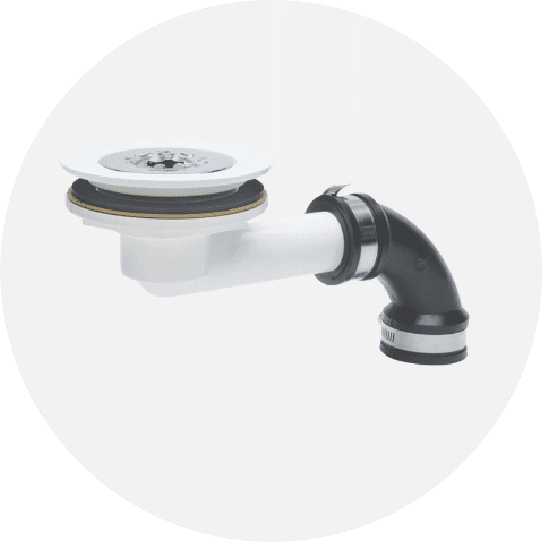
- P-trap (floor-mounted): Named for its P-shaped water-retaining bend. The outlet exits horizontally, making it suitable for situations where the drainpipe runs laterally within the floor screed rather than dropping vertically. Widely used in fit-out of existing buildings where vertical discharge is not possible.
- Deep seal trap: Provides a 75 mm or greater water seal — the preferred specification for high-rise apartments and any building where stack pressure fluctuations risk siphoning a standard 50 mm seal dry. Dubai high-rise consultants increasingly mandate 75 mm deep seal traps on all bathroom floor drains above the 10th floor.
Gully Traps: Outdoor and Heavy-Duty Applications
A gully trap (also written "gulley trap") is a larger, deeper fitting designed for outdoor or semi-outdoor use — car parks, service yards, plant rooms, kitchen back-of-house, and external terraces. Unlike an inline floor trap, a gully trap typically has a separate removable grating or bucket insert for catching debris, and its body is deep enough to maintain a reliable water seal even under intermittent flow. Outlet sizes range from 75 mm to 160 mm. In UAE basement car parks, cast iron or heavy-duty HDPE gully traps are standard because they must withstand vehicle wheel loads and the aggressive cleaning agents used during periodic washing.
Inline Floor Traps for Wet Areas
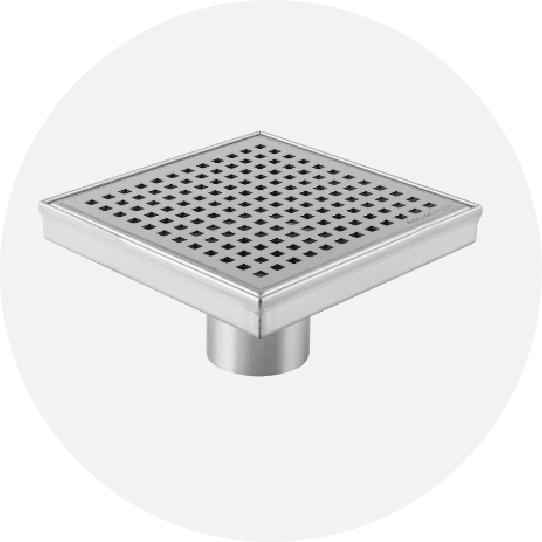
Inline or "point drain" floor traps sit flush with the finished floor surface. They are the most common type in UAE bathrooms, showers, and laundry areas. The trap body is cast into the screed during construction; only the grating or cover plate is visible. These are available in UPVC, stainless steel, and chrome-plated brass, depending on the finish specification.
Anti-Odour and Anti-Siphon Designs
Standard water-seal traps depend on water remaining in the trap body. In the UAE, where ambient temperatures regularly exceed 45°C and some floor drains in utility rooms or balconies go unused for weeks, that water evaporates — allowing sewer gas to pass. Anti-odour traps address this with one of two mechanisms:
- Mechanical flap valve: A silicone or EPDM flap seals the outlet when no water is flowing. It opens under the weight of discharging water and closes automatically. No standing water required — making it the correct specification for infrequently used floor drains such as those in UAE villa utility rooms or hotel guestroom balconies.
- Glycol-filled or gel-sealed traps: A glycol solution replaces water in the seal, evaporating far more slowly. Used in hospital clean rooms and pharmaceutical facilities.
Floor Trap Materials: PVC, Stainless Steel, Cast Iron & Chrome
PVC Floor Traps for Residential and Standard Fit-Out
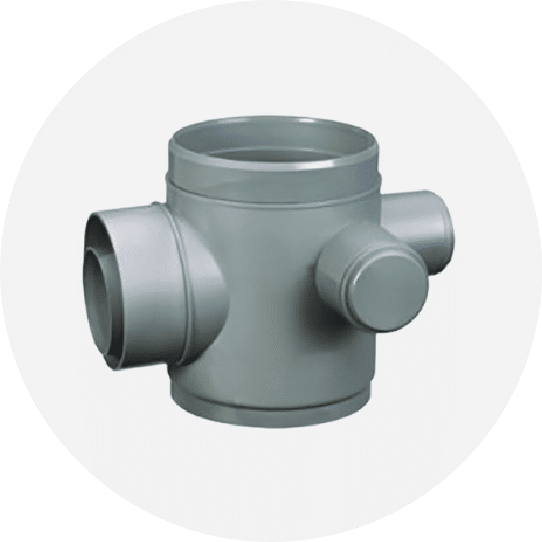
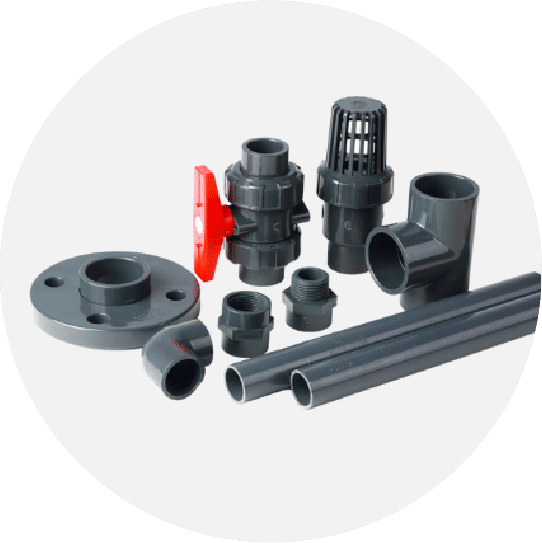
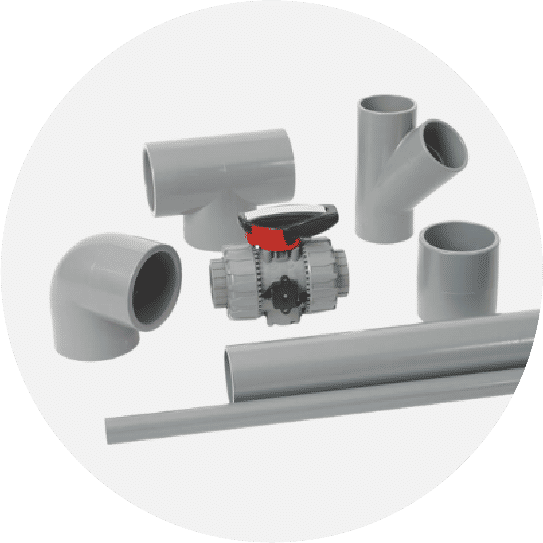
UPVC (unplasticised polyvinyl chloride) is the dominant material for residential floor traps across UAE villa compounds, apartment blocks, and standard commercial fit-out. It is lightweight, chemically resistant to standard domestic effluent, easy to cut and join with solvent cement, and significantly lower in cost than metal alternatives. UPVC floor traps are typically injection-moulded in sizes from 4×3" up to 9×6". They perform reliably in screed temperatures up to approximately 60°C — adequate for most UAE conditions, though not suitable for commercial kitchen hot-water discharge without a temperature-rated alternative.
Browse the full range of UPVC floor traps available in the UAE on FEPY, sourced from verified regional suppliers.
Stainless Steel Floor Traps for Commercial Kitchens and Industrial Use
Grade 304 stainless steel is the minimum specification for commercial kitchen floor drains; Grade 316 is required in coastal projects and any environment with high chloride exposure — Abu Dhabi island developments, palm frond communities, and seaside hospitality projects. Stainless steel traps resist the high-temperature wastewater (up to 95°C) produced by commercial dishwashers and cooking stations, as well as the aggressive cleaning chemicals used in food-service environments. They are also specified in UAE hospital and cleanroom projects where surface hygiene and non-porosity are mandatory. Prices in the UAE market range from AED 45 for a basic 4" SS trap to AED 380+ for a 6" Grade 316 channel drain assembly.
Chrome and Brass Traps for Hotel and High-End Residential Fit-Out
Five-star hospitality projects in Dubai and Abu Dhabi specify chrome-plated brass floor traps and shower channel drains for their visible wet areas. These combine the structural integrity of brass with an aesthetically acceptable finish for exposed locations — open showers, spa areas, and pool surrounds. Ensure any chrome-plated trap used in coastal UAE locations has a minimum chrome plating thickness of 0.3 μm over nickel undercoat to resist salt-air tarnishing. For shower drain options including chrome and brushed finishes, FEPY stocks verified products from major regional brands.
Cast Iron Floor Traps
Cast iron floor traps are specified for heavy-duty applications: basement car parks, industrial facilities, loading docks, and anywhere a heavy grating must bear vehicle or forklift loads. They are heavy, require anti-corrosion coating in coastal environments, and are more expensive to install — but their load-bearing capacity (Class C250 and D400 ratings under BS EN 124) is unmatched by plastic or stainless alternatives. In UAE car parks, a cast iron or ductile iron gully trap with a Class C250 grating (capable of bearing 250 kN load) is a standard consultant requirement.
Key Technical Specifications to Check Before Buying
Drain Size and Flow Rate: 50mm, 75mm, 110mm Explained
Floor trap outlet sizes are specified in millimetres (DN) or in imperial inches (common in UAE trade catalogues):
| Outlet Size | Imperial Equivalent | Typical Application in UAE | Max Flow Rate (approx.) |
|---|---|---|---|
| DN50 (50mm) | 2" | Wash basin overflow, small utility drains | ~0.5 L/s |
| DN75 (75mm) | 3" | Bathroom floor traps, shower drains, residential wet areas | ~1.5 L/s |
| DN110 (110mm) | 4" | Kitchen floor drains, gully traps, plant rooms, outdoor terraces | ~3.0 L/s |
| DN160 (160mm) | 6" | Commercial kitchens, car park drainage, heavy-duty gully traps | ~6.0 L/s |
Always confirm the outlet size matches the drainpipe already cast into the slab. A reducer can be used, but increasing the outlet size after a concrete pour is a variation order waiting to happen.
Water Seal Depth: Why 50mm Minimum Matters in UAE Buildings
A minimum 50 mm water seal is required by BS EN 1253-1 and referenced in Dubai Municipality drainage specifications. In high-rise towers, stack pressure during simultaneous flush events can siphon a shallow seal dry — which is why deep seal (75 mm) traps are increasingly specified above the 10th floor. Never substitute a 25 mm or 38 mm trap in a building that requires 50 mm minimum — this is a direct code violation and a snagging item that consultants flag during final inspections.
Outlet Direction: Vertical vs Horizontal Discharge
Confirm the outlet direction before ordering. Vertical outlet traps drop directly down into a floor sleeve — standard for new construction where the drainage stack is planned for the floor trap position. Horizontal outlet traps discharge laterally into a wall or screed-level pipe — required for renovations and fit-outs where the slab is already poured and no vertical sleeve exists. Ordering the wrong direction on a bulk purchase is one of the most common procurement errors on UAE fit-out projects.
Floor Trap Size Guide (Imperial Cover Dimensions)
| Cover Size | Common Location | Outlet Size |
|---|---|---|
| 4" × 3" | Wash basin area, small bathroom | DN50 / DN75 |
| 6" × 4" | Standard bathroom, shower area, laundry | DN75 |
| 9" × 6" | Kitchen, utility room, plant room | DN110 |
| 12" × 12" | Car park, outdoor gully, commercial kitchen | DN110 / DN160 |
UAE Climate Considerations: Heat, Humidity & Evaporation
Why Water Seals Evaporate Faster in UAE Heat
This is a problem unique to hot-climate markets and one that UAE consultants often overlook when copying European drainage specifications. In a bathroom at 45°C ambient (common in UAE buildings before air conditioning commissioning, or in utility rooms that run hot year-round), an unused 50 mm water seal can evaporate within 2–3 weeks. The solution is not to pour water manually — site teams forget — but to specify anti-odour mechanical flap traps for any drain that will not receive daily use. Specify standard water-seal traps only for bathrooms and kitchens in continuously occupied, air-conditioned spaces.
Salt Air and Coastal Corrosion: Choosing the Right Material
Projects within 5 km of the UAE coastline — Palm Jumeirah, JBR, Al Marjan Island (Ras Al Khaimah), Saadiyat Island (Abu Dhabi) — require marine-grade materials for any exposed or semi-exposed floor trap. For stainless steel, specify Grade 316 (EN 1.4401) minimum. For chrome traps, ensure the plating specification includes a marine-grade lacquer topcoat. UPVC is inherently resistant to salt air and is unaffected by coastal conditions — making it the lowest-maintenance choice for concealed traps in coastal residential projects.
Floor Trap Selection by Application
Villas and Low-Rise Residential
Standard UPVC inline floor trap, DN75 outlet, 50 mm water seal, 6"×4" cover. Anti-odour mechanical flap trap for utility rooms, maid's bathrooms, and any wet area that may go unused for periods. Vertical outlet where slabs are pre-sleeved; horizontal where the villa is a renovation.
High-Rise Towers and Apartment Blocks
Deep seal (75 mm) UPVC or polypropylene floor trap for all bathroom wet areas above floor 10. Anti-siphon or anti-odour traps for balcony drains. Stainless steel floor traps in gym changing rooms and pool deck areas. For complete plumbing drainage supplies suited to high-rise MEP schedules, verify outlet direction and water seal depth on every product line before bulk purchase.
Commercial Kitchens, Restaurants and F&B Fit-Out
Grade 304 stainless steel minimum, Grade 316 for coastal sites. DN110 outlet for main kitchen floor drain; DN75 for prep and wash-up areas. Removable stainless basket strainer to catch food waste before it enters the drainage system — a Dubai Municipality food safety requirement. Channel drain formats are increasingly preferred over point drains in UAE commercial kitchen fit-outs for easier cleaning compliance.
Hospitals, Clinics and Cleanrooms
Glycol-sealed or dry-seal anti-odour traps. Grade 316 stainless steel. Seamless trap body (no crevices for bacterial growth). Confirm product compliance with UAE Ministry of Health facility guidelines and the relevant infection control specifications provided by the hospital consultant.
Parking Decks and Outdoor Hardscape
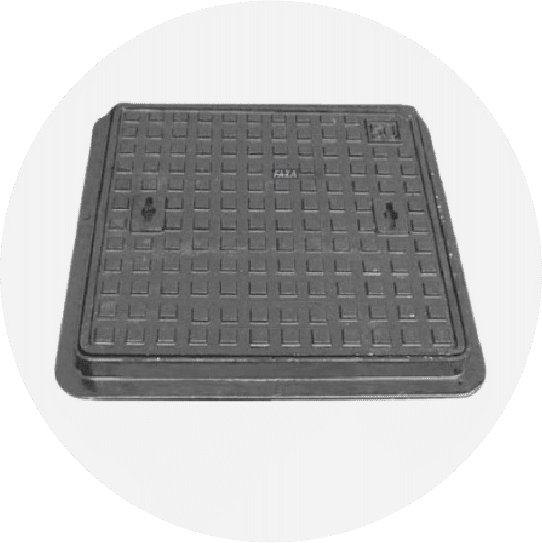
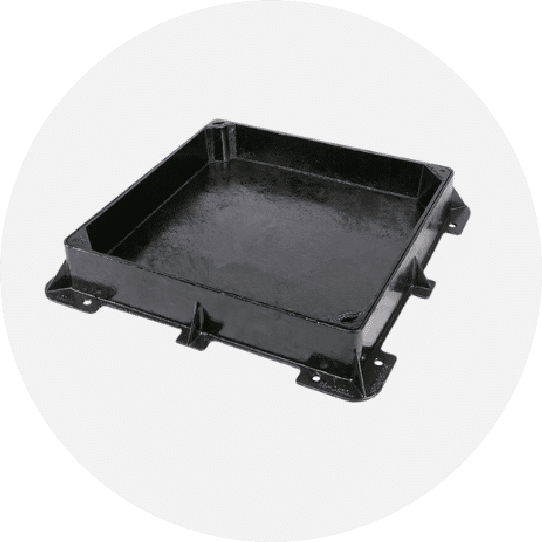
Cast iron or ductile iron gully trap, Class C250 or D400 grating rated to BS EN 124, DN110 or DN160 outlet. Anti-root mesh for outdoor installations adjacent to landscaping. Explore manhole covers and access covers rated for vehicle loads if your project includes driveway drainage points.
Regulatory & Compliance Requirements in the UAE
Dubai Municipality Drainage Code Requirements
Dubai Municipality's drainage and plumbing regulations require all floor drains to incorporate a water seal of minimum 50 mm depth [Dubai Municipality Green Building Regulations & Specifications]. Anti-odour provisions are required for any drain deemed "infrequently used." All drainage fittings used on DM-permitted projects must comply with applicable BS EN or equivalent standards. Consultants on DM-regulated projects are increasingly requesting third-party test certificates for floor trap water seal performance. For authoritative code information, refer to Dubai Municipality's official technical regulations portal.
BS EN 1253 and Its Application in UAE Projects
BS EN 1253 is the European standard for gullies for buildings and covers flow rate classification, water seal depth requirements, and load-bearing testing for floor drain gratings. It is the most commonly referenced standard on UAE consultant specifications for floor traps. Key requirements relevant to UAE projects:
- Minimum 50 mm water seal depth for all indoor floor drains [BS EN 1253-1]
- Grating load classes: Class K3 (pedestrian), Class L15 (light vehicle), Class M125, C250, D400 for progressively heavier loads [BS EN 124]
- Anti-odour devices must maintain seal integrity under ±250 Pa pressure variation [BS EN 1253-3]
Major Brands in the UAE Market
The following table reflects the real UAE market for floor traps and drainage fittings. Brand links are provided only where a verified FEPY brand page exists.
| Brand | Country of Origin | Speciality in UAE Market | Typical Price Range (UAE) |
|---|---|---|---|
| Geberit | Switzerland | Premium anti-odour traps, shower channel drains, high-rise MEP | AED 180 – AED 950 |
| Raktherm | UAE (RAK) | UPVC floor traps, pipes and drainage fittings for residential & commercial | AED 12 – AED 95 |
| Jaquar | India | Chrome and SS floor drains for bathroom and hotel fit-out | AED 35 – AED 220 |
| Oatey | USA | Specialty drain fittings, solvent cements, PVC trap accessories | AED 25 – AED 180 |
| Pegler | UK | Brass and chrome traps, high-specification commercial drainage | AED 80 – AED 450 |
| Blücher (Watts) | Denmark | Stainless steel channel drains and commercial kitchen drainage systems | AED 250 – AED 1,800 |
| Hepworth (Wavin) | UK / Netherlands | UPVC and PVC drainage systems, widely distributed in UAE | AED 18 – AED 120 |
| Supreme / Prince | India | Budget UPVC floor traps for large-volume residential projects | AED 8 – AED 55 |
Installation Tips for Site Teams
How to Set Floor Trap Level During Concrete Pour
The single most common installation defect on UAE sites is a floor trap set at the wrong level — either proud of the finished floor (a trip hazard and leak point) or recessed below it (water pools around the drain). Set the trap body at finished floor level (FFL) minus the grating thickness. Use a temporary timber or foam plug in the trap outlet during the screed pour to prevent concrete ingress. Remove the plug only after the screed has fully cured.
For projects using UPVC drainage systems, ensure all pipe connections to the trap body use the correct solvent cement and that joints are given adequate cure time before being subjected to water testing. UPVC pipe and fittings compatible with standard floor trap outlet sizes are available on FEPY.
Sealing Around Floor Traps in Tiled Wet Areas
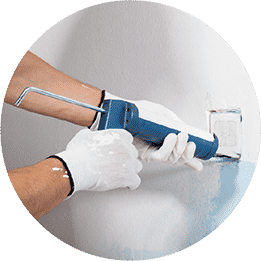
Grout and rigid tile adhesive must never be used to seal the gap between the floor trap flange and the surrounding tile. This joint must be filled with a flexible, waterproof sealant — silicone or polyurethane — to accommodate thermal movement. UAE ambient temperature swings of 25°C between seasons cause measurable expansion and contraction in both the trap body and the surrounding screed. A rigid joint cracks within one to two cycles and admits water behind the waterproofing membrane. For a robust wet area installation, the waterproofing layer must be continuous under and around the trap flange, not terminated at it.
Blocked Traps: Root Causes and Maintenance Schedule
In UAE residential and hospitality projects, the most frequent cause of blocked floor traps is hair accumulation in shower drains (addressed with a hair-catch grating insert) and fat/grease solidification in kitchen floor drains — particularly during cooler months when grease sets faster. Specify gratings with openings no wider than 8 mm for wet areas where hair is a concern. Commercial kitchen floor traps should be cleaned weekly as a minimum. Outdoor gully traps in UAE landscapes accumulate fine desert dust rapidly — quarterly cleaning is the practical minimum.
Common Floor Trap Problems and How to Avoid Them
Odour Complaints After Handover: What Consultants Check First
When a post-handover odour complaint is raised on a UAE project, the consultant's defect team will check these items in order:
- Water seal integrity: Has the trap been filled with water? In vacant units, seals dry out within weeks in UAE heat.
- Mechanical flap function: If an anti-odour trap was specified, is the silicone flap seated correctly and undamaged?
- Trap body cracking: UPVC traps in poorly compacted screed can crack under point loads — inspect the body for stress fractures.
- Incorrect installation depth: A trap installed with a non-level outlet can lose its water seal on one side under suction.
- Missing or incorrect grating: An open floor drain with no grating allows direct sewer gas entry regardless of trap condition.
Addressing these five points in sequence resolves the majority of UAE post-handover odour defects without major rework.
Where to Buy Floor Traps in the UAE
For contractors and procurement teams, sourcing floor traps through a verified trade supplier ensures you receive products with correct BS EN certification documentation — critical for consultant sign-off on Dubai Municipality and Abu Dhabi UPC-regulated projects. FEPY supplies a full range of drainage trap products to UAE trade buyers, with verified brand sourcing and product documentation available on request.
Browse by category:
- UPVC floor traps — residential and standard commercial
- Shower drains — point drains and channel drain formats
- Bathtub drains — pop-up and fixed waste fittings
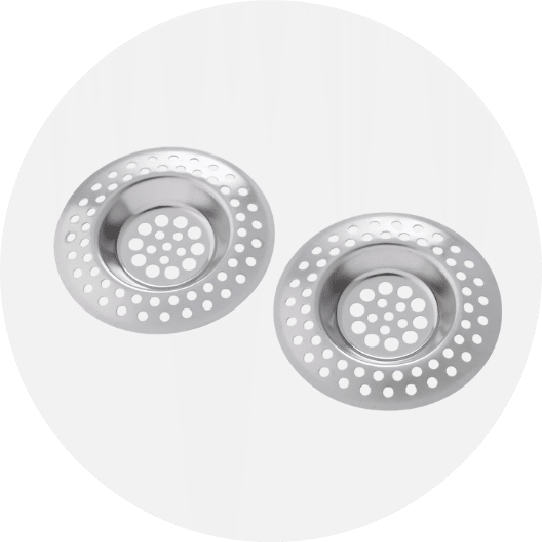
- Sink drains — kitchen and vanity waste fittings
- Manhole covers — load-rated access covers for car parks and outdoor use
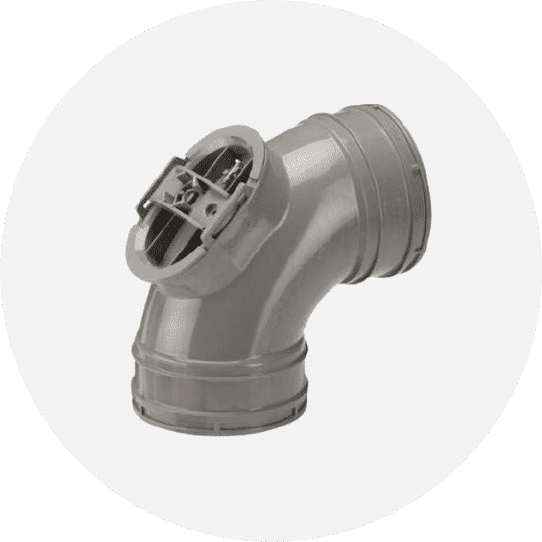
- Access fittings — inspection eyes and cleanout plugs for drainage maintenance
- Sanitary ware supplies — complete bathroom drainage and fitting accessories
Sources & References
- Dubai Municipality — Technical Regulations & Building Code (Drainage and Plumbing)
- BSI Group — BS EN 1253: Gullies for Buildings (Floor Drain Standard), BS EN 124: Gully Tops and Manhole Tops for Vehicular and Pedestrian Areas
- ESMA — Emirates Authority for Standardisation & Metrology: UAE Product Conformity Requirements for Plumbing Fittings
