





By Khalid Al Mansoori, Senior Procurement Specialist | Published: April 2026
Having procured gypsum board for fit-out projects across JBR towers, Abu Dhabi government offices, and villa developments in Al Ain, I've seen directly what happens when the wrong board type meets UAE conditions — bubbling tape joints in a humid bathroom, sagging standard-board ceilings after a coastal summer, and fire-rating failures flagged during Civil Defence inspection. This guide covers everything you need to specify and source gypsum ceilings correctly for the UAE market in 2026.
What Is a Gypsum False Ceiling and Why Is It the Standard in UAE Construction?
A gypsum false ceiling — also called a suspended ceiling or drywall ceiling — is a secondary ceiling installed below the structural slab, supported by a metal grid framework. In UAE construction, it is the dominant interior ceiling system across residential villas, commercial offices, retail fit-out, hotel interiors, and MEP service corridors.
The reasons are practical: gypsum board is lightweight, fire-resistant by nature, relatively cheap to install, easy to cut around MEP services, and produces a smooth paintable surface. For high-rise towers — which make up a large share of UAE construction output — the weight savings over traditional plaster ceilings are critical for structural loading.
Gypsum board (also called plasterboard or drywall) is manufactured from a calcium sulphate core pressed between two layers of paper or glass-mat facing. The core formulation is modified to achieve moisture resistance, fire resistance, or acoustic performance depending on the board type.
Types of Gypsum Board Used in UAE Projects
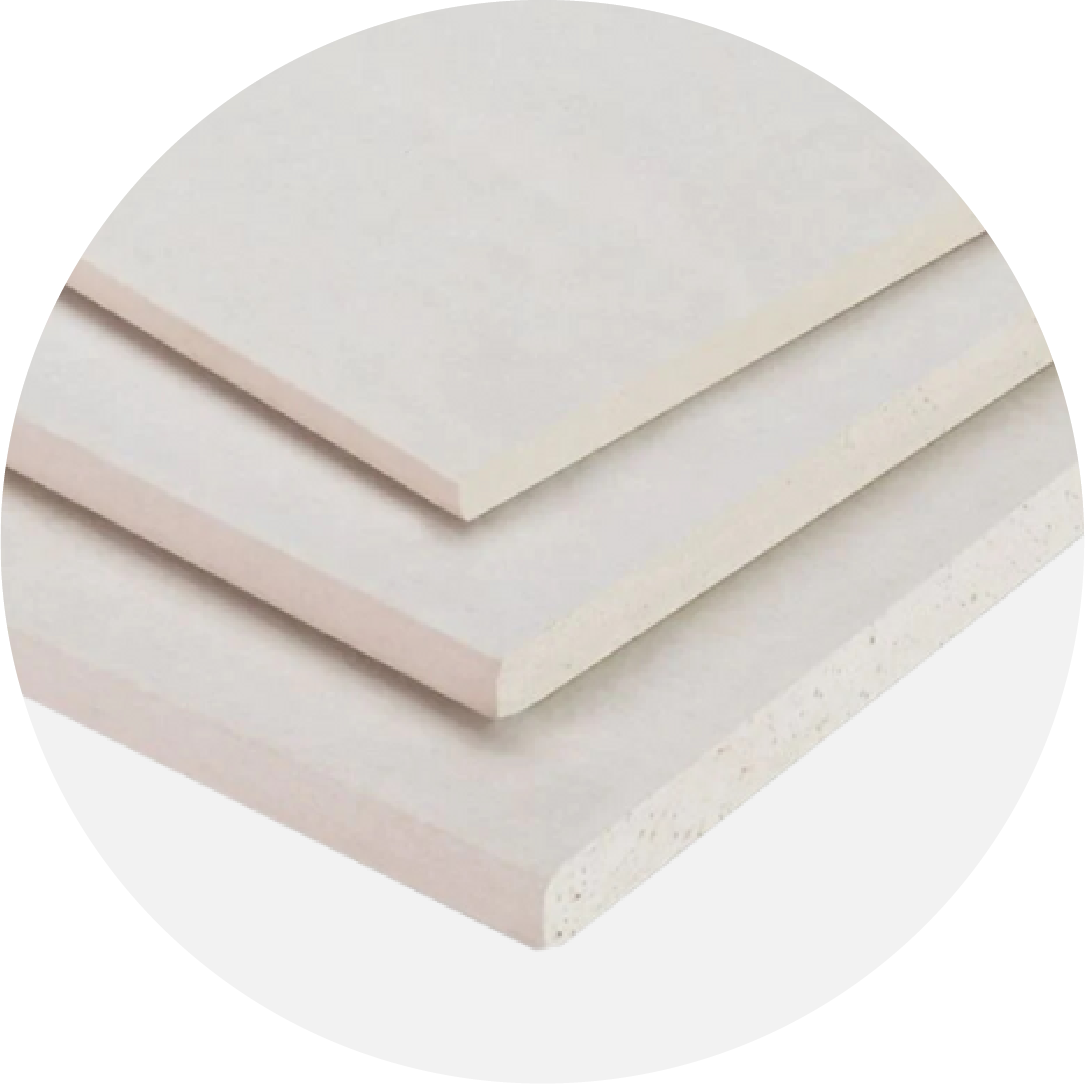
Standard Gypsum Board (Type A)
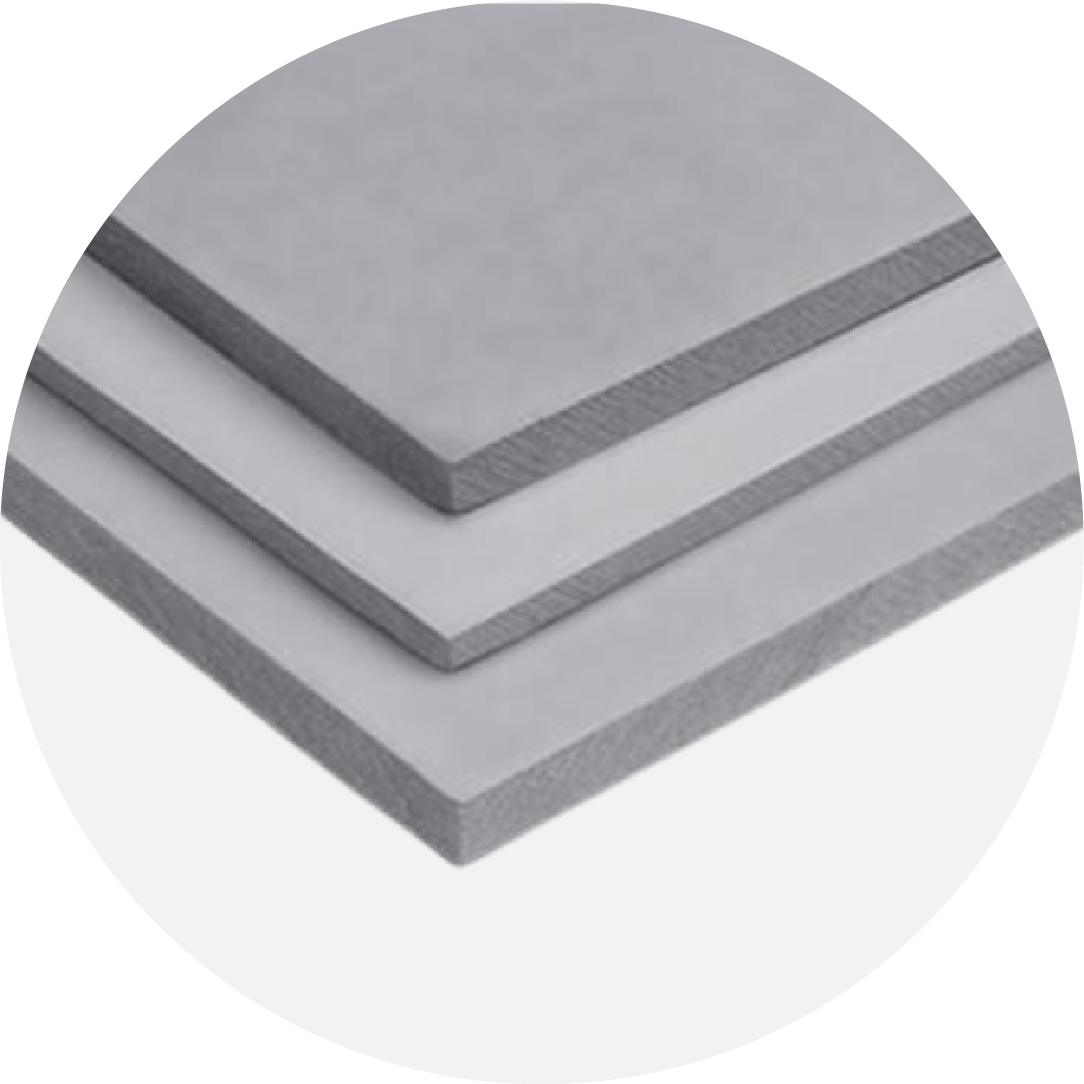
The workhorse of any interior fit-out. Standard board has a white paper face and grey liner back, with a regular gypsum core. It is suitable for dry interior areas — living rooms, bedrooms, corridors, office ceilings — where humidity exposure is minimal. In UAE terms, this means fully air-conditioned interior spaces away from external walls in coastal zones. Browse standard gypsum board options available for UAE projects.
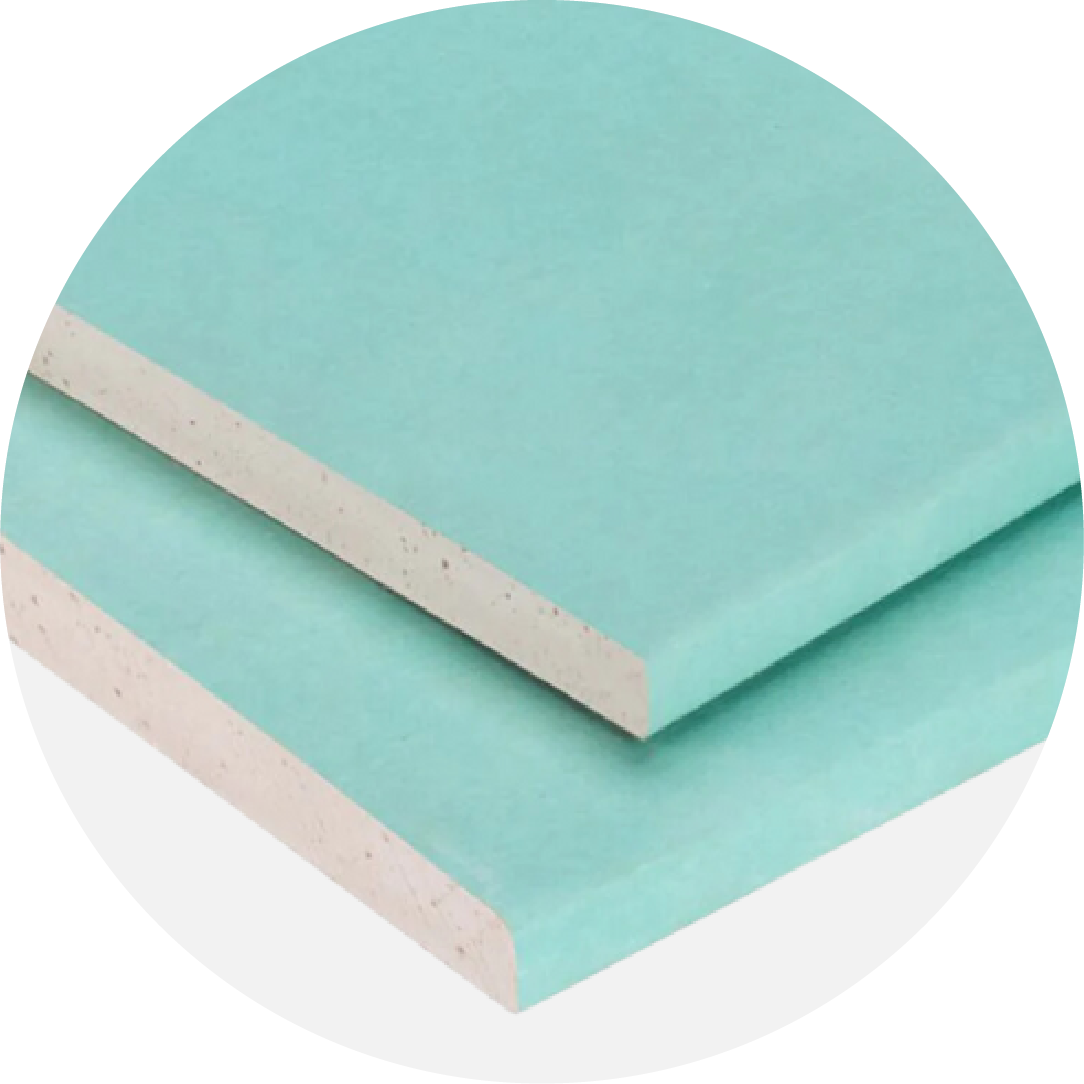
Moisture-Resistant Gypsum Board (Type H — Green Board)
Identifiable by its green face paper, moisture-resistant (MR) board incorporates hydrophobic additives in the gypsum core and uses a water-repellent facing. It is the mandatory specification for UAE bathrooms, kitchens, laundry rooms, and any ceiling area within 600mm of a water source. In coastal Emirates — Ajman, Umm Al Quwain, Ras Al Khaimah — where salt-laden humidity penetrates even air-conditioned spaces, MR board is increasingly the baseline specification for all ceilings, not just wet areas. Shop moisture-resistant gypsum board for UAE bathrooms and coastal projects.
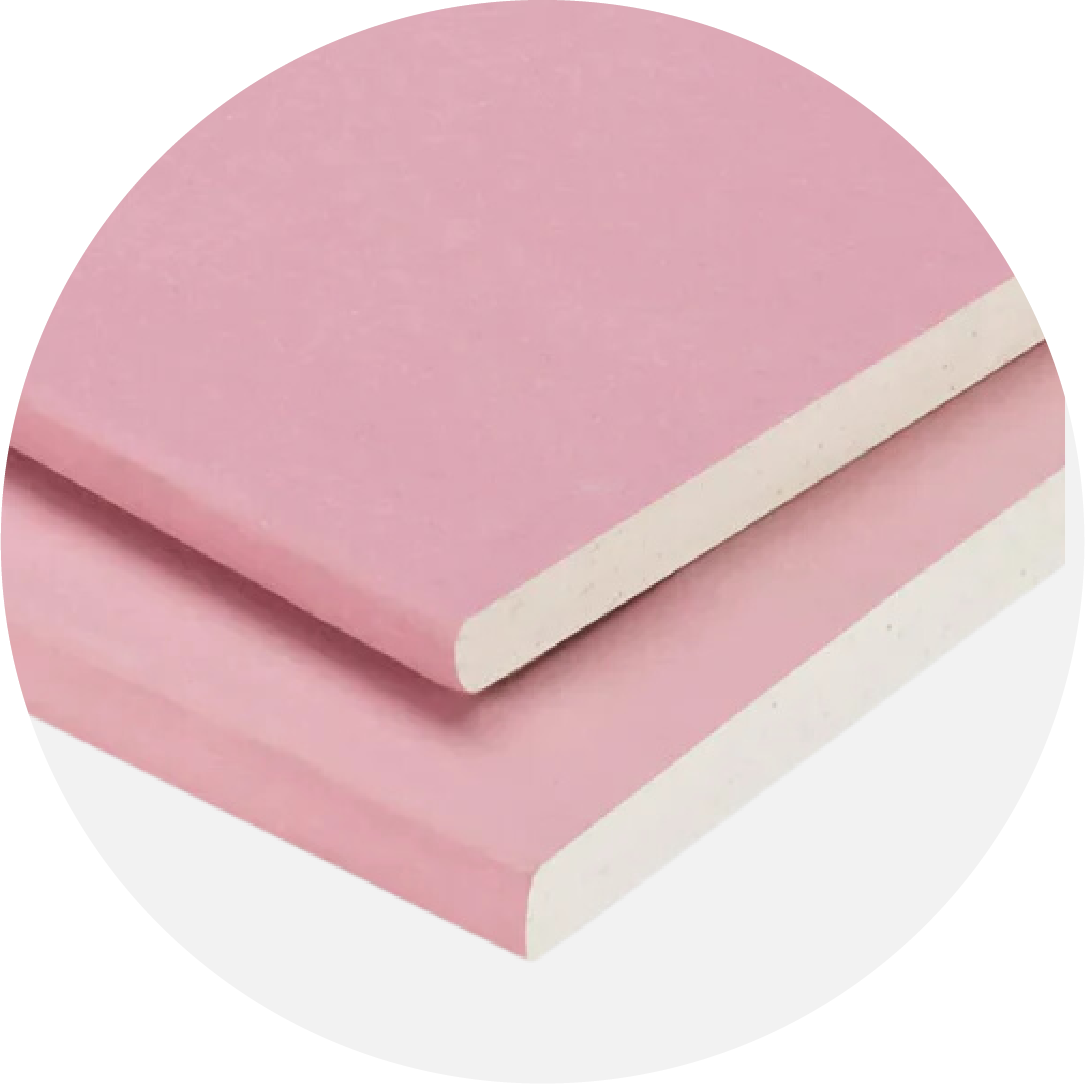
Fire-Resistant Gypsum Board (Type F)
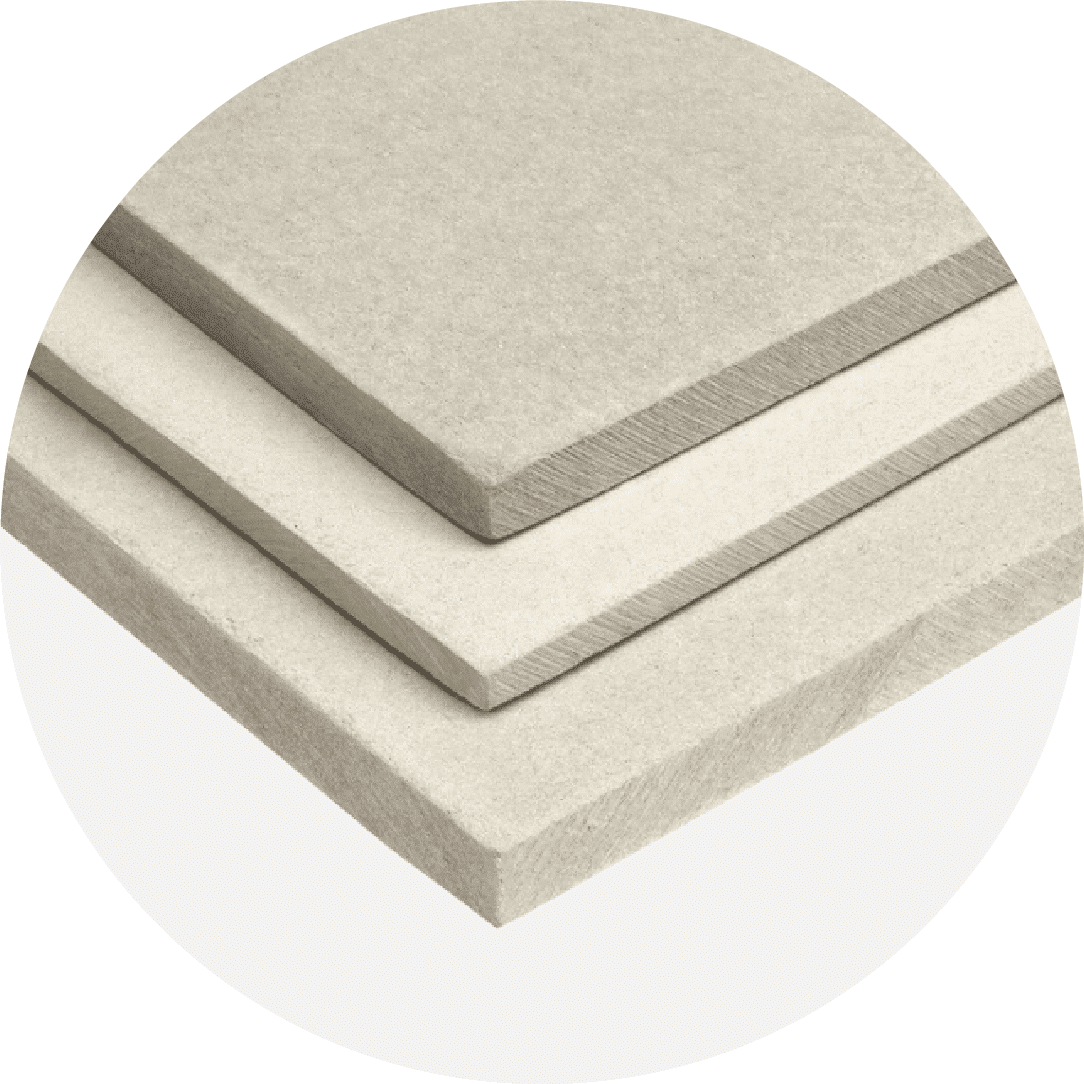
Fire-rated board contains glass fibres and other additives within the core that slow heat transfer and resist calcination under fire conditions [BS EN 520]. UAE Civil Defence and Dubai Municipality mandate fire-rated ceilings in escape routes, stairwells, plant rooms, and commercial buildings above a specified floor count. For high-rise towers, fire ratings of 60 minutes to 120 minutes are commonly specified, achieved through board thickness and system layering. Fire-resistant gypsum boards stocked for UAE-compliant projects are available on FEPY.
Impact-Resistant Gypsum Board
A reinforced board with a higher-density core and sometimes glass-mat facing, specified for high-traffic areas — school corridors, hospital walls, sports facilities — where surface damage from trolleys or equipment contact is a risk. Less common in ceilings but used in vertical partitions on UAE institutional projects.
Acoustic Gypsum Board
Acoustic panels use a denser core or perforated face to absorb sound energy, reducing reverberation in open-plan offices, conference rooms, and hospitality spaces. UAE Grade A office fit-outs in DIFC, Downtown Dubai, and Abu Dhabi's ADGM increasingly specify acoustic ceiling systems to meet tenant requirements for speech intelligibility.
Gypsum Board Sizes, Thicknesses & Specifications Available in the UAE Market
Common Sheet Sizes: 1200mm × 2400mm and 1200mm × 3000mm
The standard sheet size across the UAE market is 1200mm × 2400mm, which aligns with the 600mm module used for ceiling grid systems. For large commercial spaces with high floor-to-ceiling heights — typical of UAE mall fit-outs or hotel ballrooms — the 1200mm × 3000mm sheet reduces the number of horizontal joints, cutting finishing labour.
Thickness Options: 9.5mm, 12.5mm, 15mm, 18mm
- 9.5mm: Lightweight lining board, used for curved features and feature ceilings where the board needs to flex. Not suitable as a primary ceiling board in UAE commercial projects due to lower stiffness.
- 12.5mm: The standard ceiling thickness for most UAE residential and commercial fit-out applications. Good stiffness-to-weight ratio, compatible with 600mm grid spacing.
- 15mm: Specified where improved fire resistance or acoustic performance is needed. Common in UAE high-rise escape corridor ceilings and between-floor separating assemblies.
- 18mm: Heavy-duty applications, including multi-layer fire-rated assemblies in plant rooms and service shafts where 120-minute fire ratings are required [BS EN 520 / UAE Civil Defence fire code].
Top Gypsum Board Brands in the UAE: Full Market Comparison
The following table reflects the real UAE market — brands stocked, specified, and distributed actively across the country as of 2026.
| Brand | Origin | Key Products | Market Position in UAE |
|---|---|---|---|
| Saint-Gobain Gyproc | France / UAE (local plant) | Gyproc WallBoard, DuraLine MR, FireLine, SoundBloc | Dominant specification brand; widely approved for government and high-rise projects |
| Knauf | Germany / Regional | Knauf Standard, Knauf Green, Knauf Red (Fire), Knauf Aquapanel | Strong specification presence; particularly prominent in Abu Dhabi and Northern Emirates |
| Gypsimna | UAE (Al Ain) | Standard board, MR board, FBX fire board | UAE-manufactured; competitive pricing; widely used in residential and mid-tier commercial projects |
| Armstrong | USA / Regional | Ceiling tiles, suspension systems, acoustic panels | Leading brand for grid-based lay-in ceiling tile systems in commercial and retail UAE fit-out |
| USG Boral | USA / Asia-Pacific | Sheetrock, Fiberock, Durock | Specified on large-scale UAE hospitality and mixed-use projects; strong technical support |
| BPB / British Plasterboard | UK | Standard, MR, fire board ranges | Historically specified on British-standard projects in the UAE; less common post-2020 as regional brands strengthened |
Gypsum Ceiling Systems: Components You Need to Know
Metal Ceiling Grid Profiles: Main Tee, Cross Tee & Wall Angle
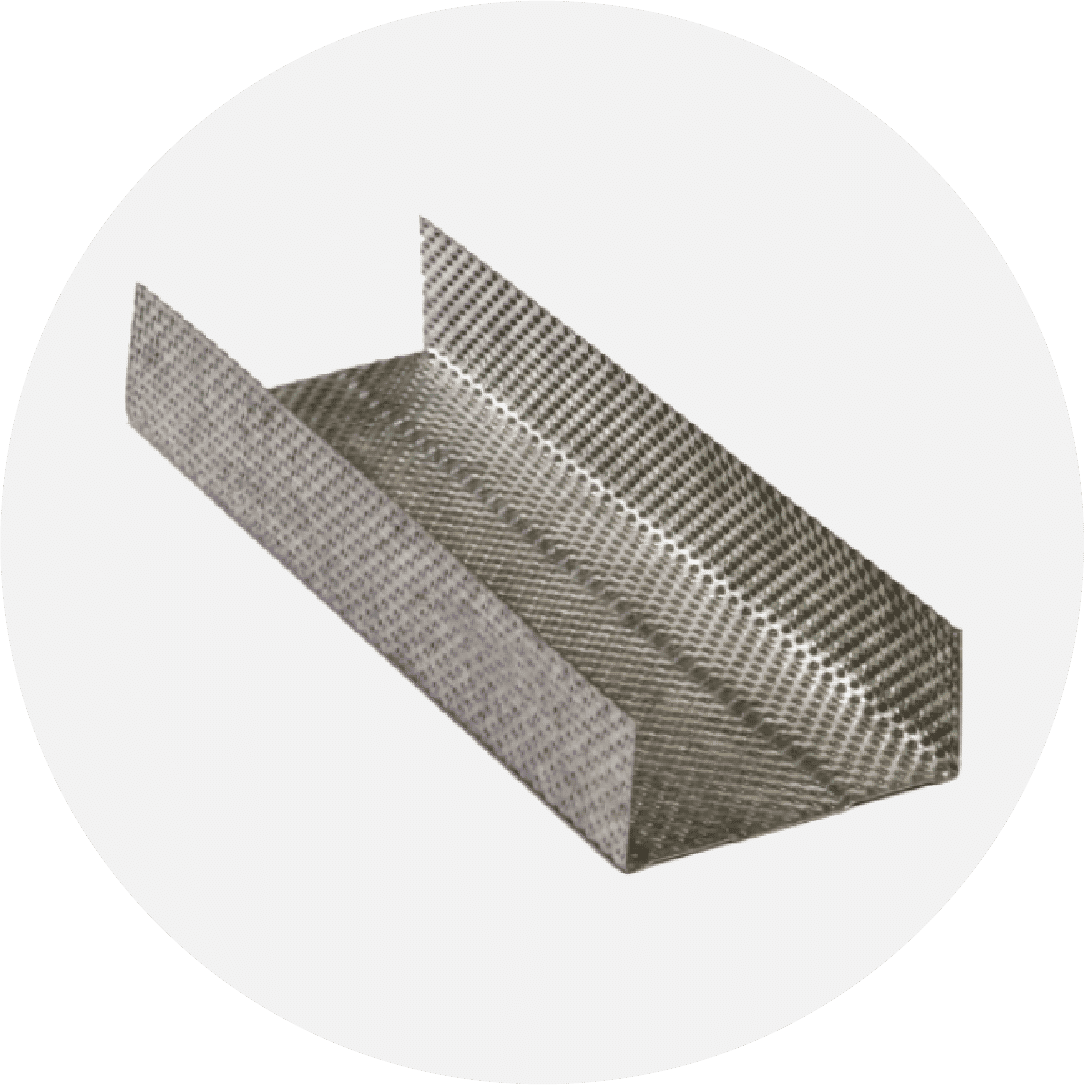
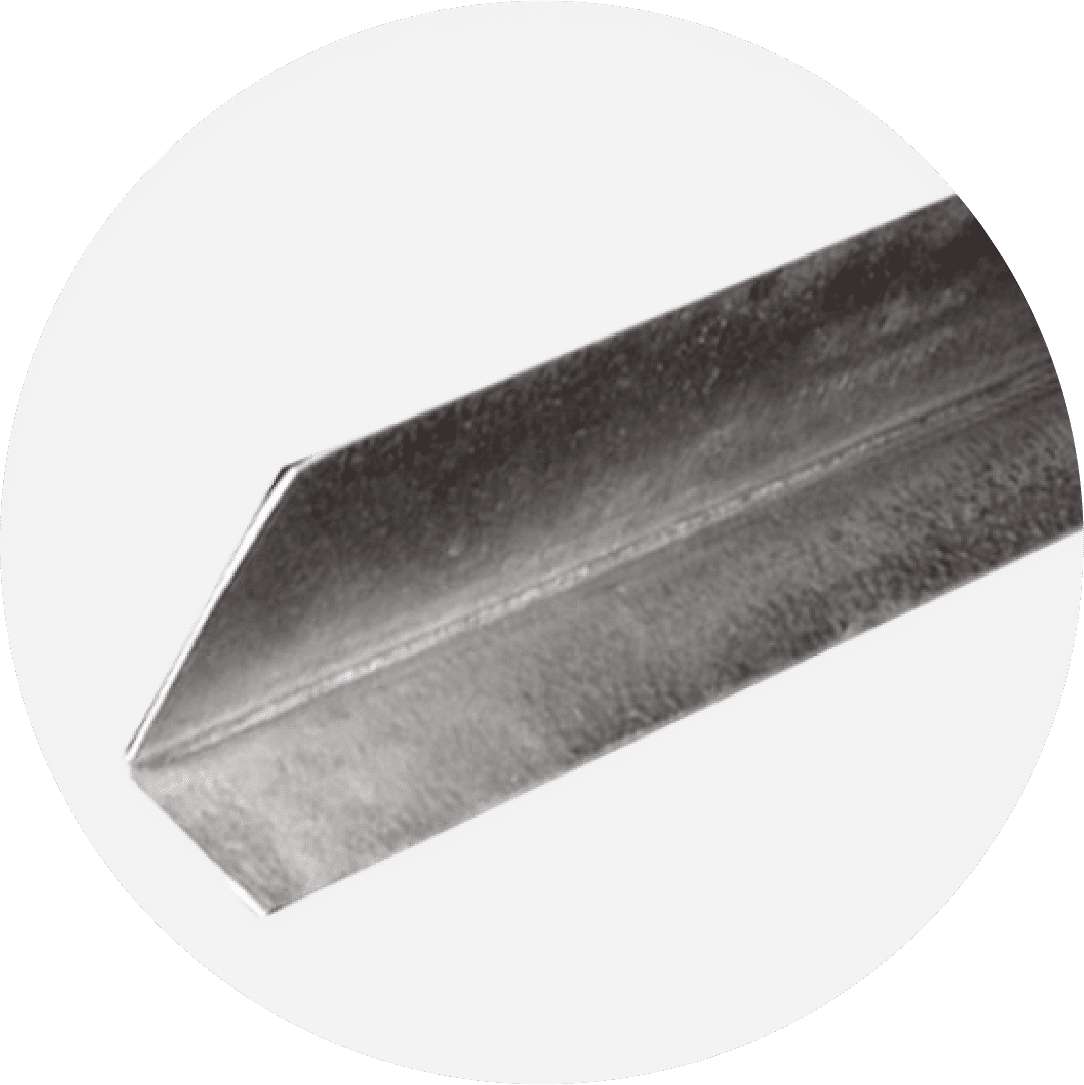
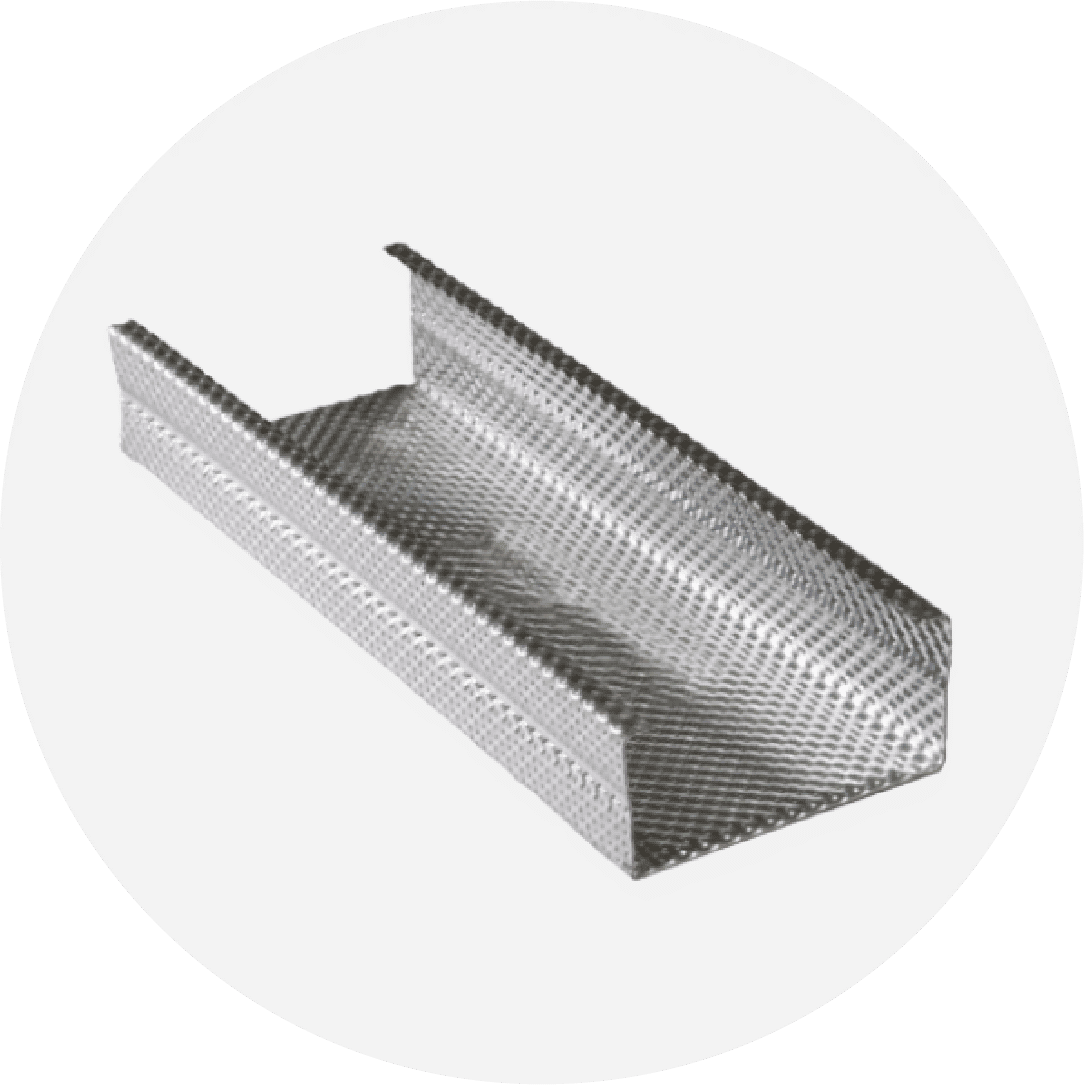
A gypsum false ceiling is only as good as its metal framing. The suspension system typically comprises main runners (primary channels) suspended from the slab by hanger wire, with cross tees forming a 600mm × 600mm or 1200mm × 600mm grid. Standard channels and wall angles form the perimeter and primary load path of the system. All GI components used in UAE should be hot-dip galvanised or pre-galvanised steel to resist the corrosive effects of coastal humidity and salt air.
Metal Stud & Track Framing Systems
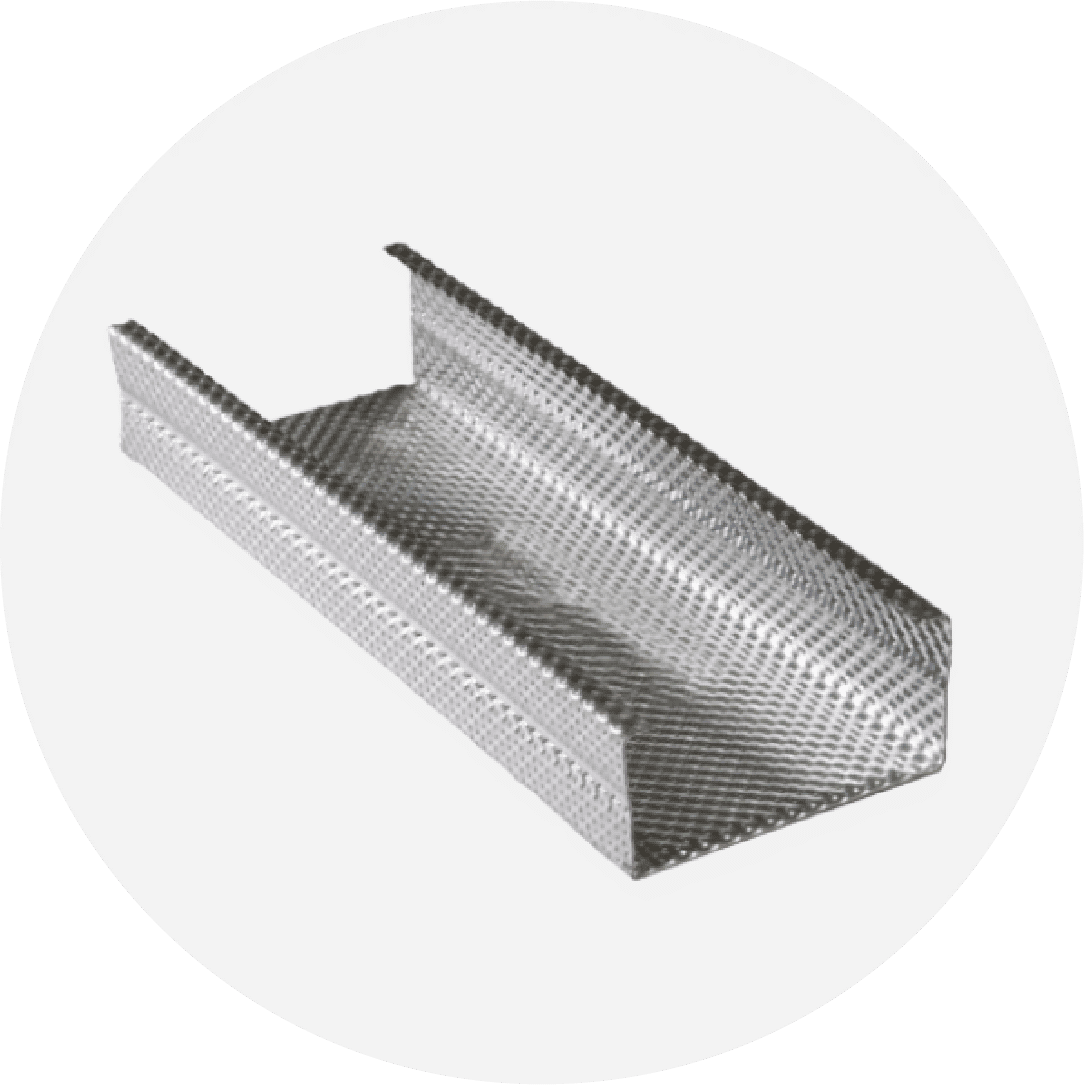
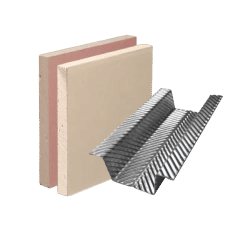
For direct-fix and partition-integrated ceiling assemblies, frame C studs are used to create the secondary framing that boards are fixed to directly. This system is common in bulkhead constructions around UAE kitchen hoods, bathroom exhaust chases, and feature ceiling drops in villa fit-outs. Browse the full range of GI metal components for ceiling and partition framing.
Joint Compound, Tape & Finish Accessories
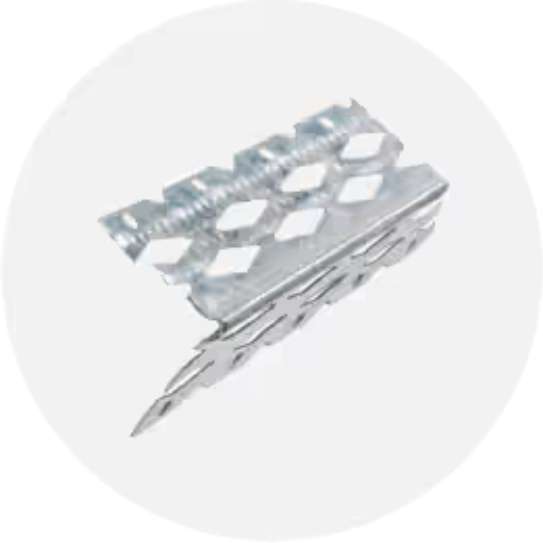
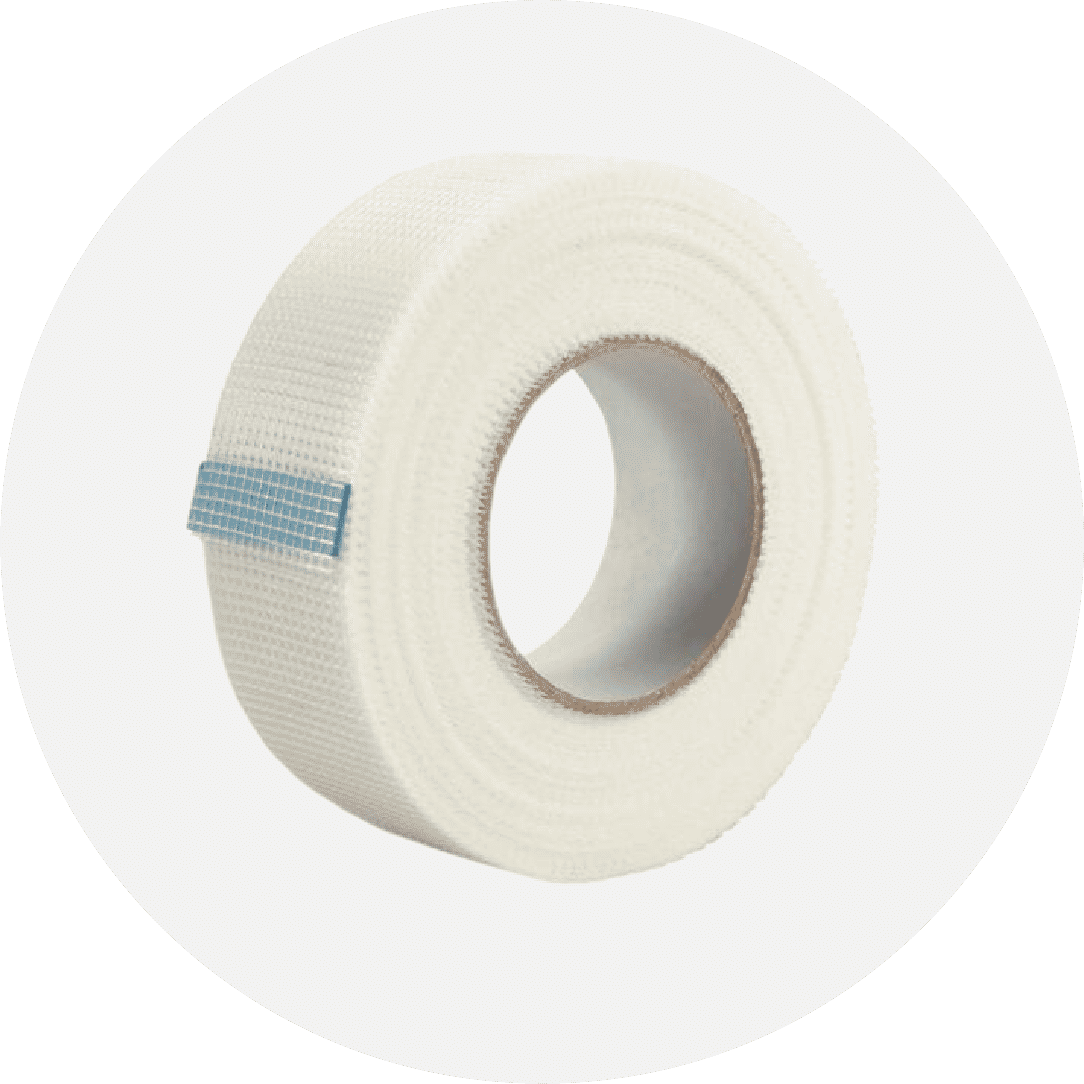
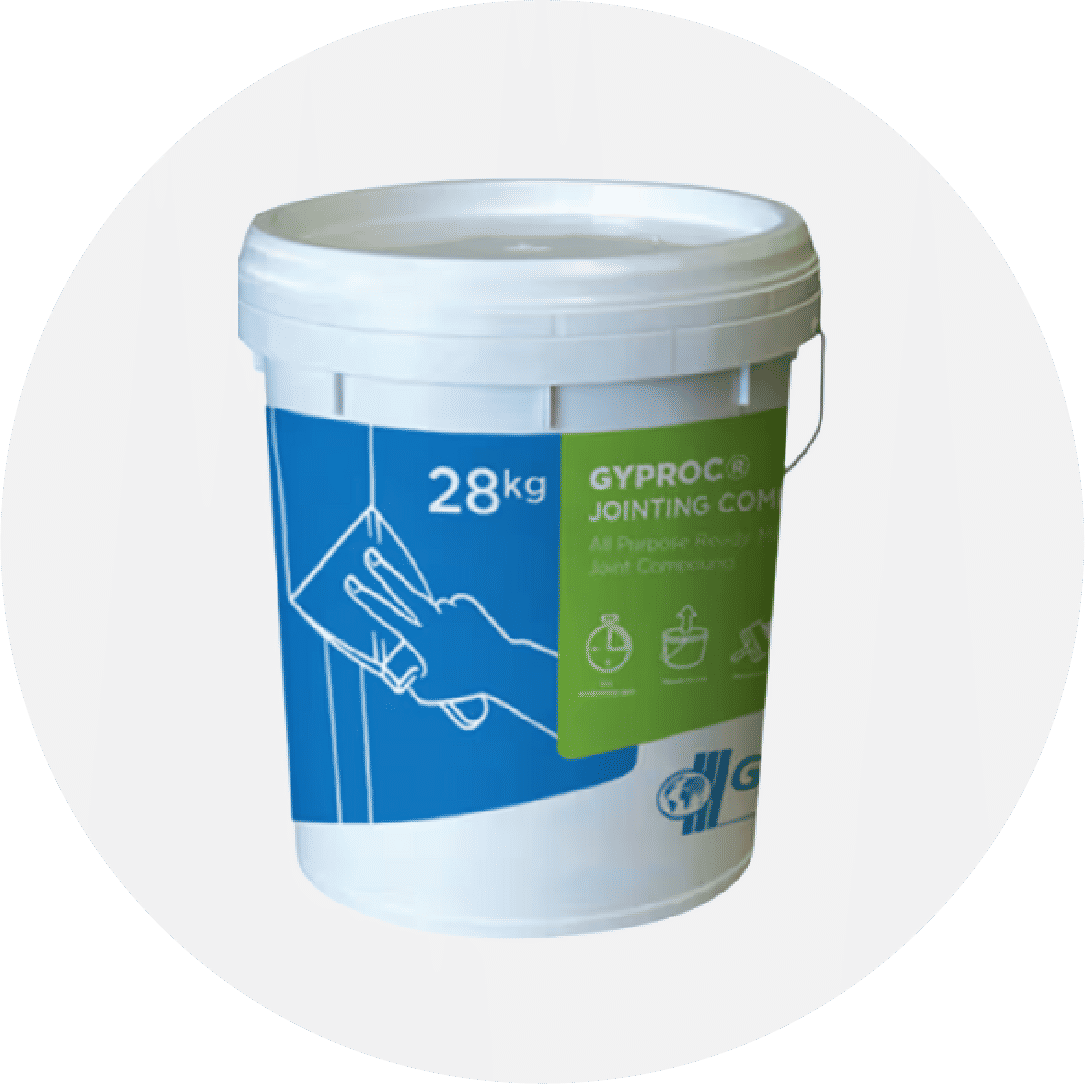
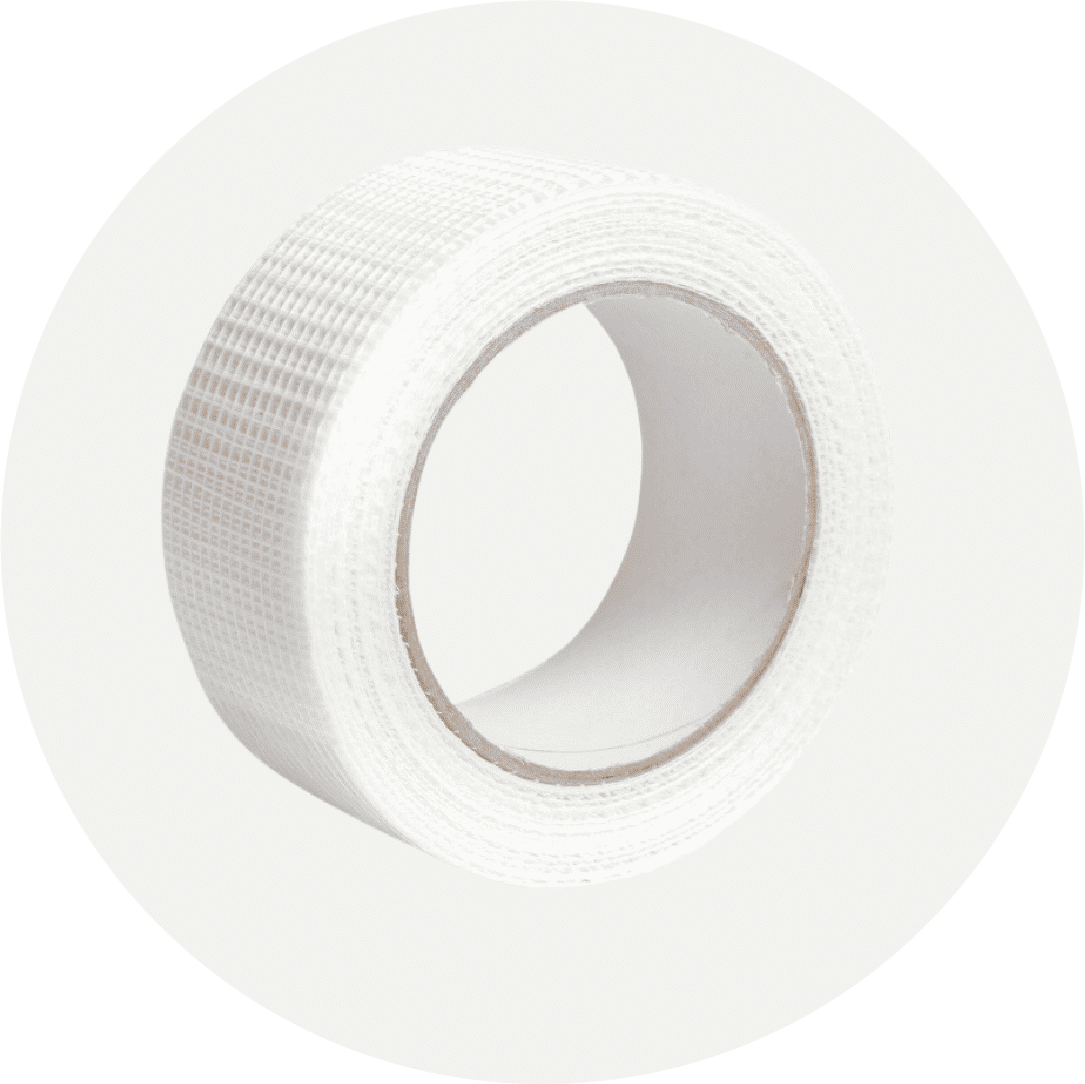
Board joints, screw heads, and corner beads all require finishing to achieve a smooth painted surface. The system typically involves: embedding gypsum tape in the first coat of joint compound, followed by feathered top coats and sanding. In UAE conditions, using a setting-type compound (rather than drying-type only) in wet areas and during humid summer months significantly reduces shrinkage cracking. Gypsum screws should be phosphate-coated to resist rust at the point of penetration. Corner and edge beads protect board edges and produce clean ceiling-to-wall transitions.
MEP Access Panels in Gypsum Ceilings
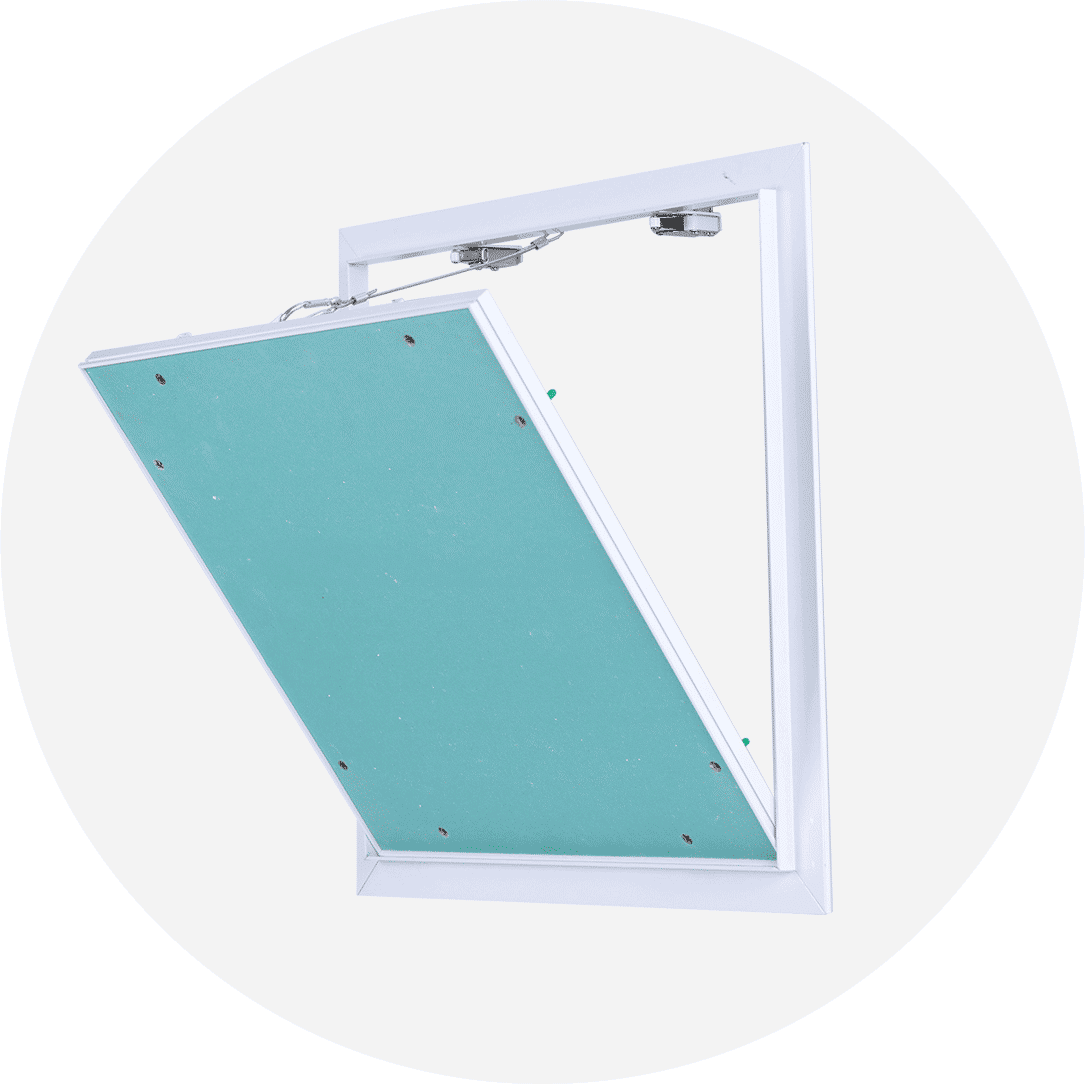
Any UAE project with concealed MEP services — and that is virtually every commercial and residential project — requires access panels integrated into the gypsum ceiling to allow maintenance of valves, dampers, junction boxes, and drain cleanouts without cutting the ceiling. Dubai Municipality fit-out regulations require accessible maintenance points for all concealed mechanical and electrical equipment.
UAE Climate Considerations: Humidity, Heat & Fire Resistance
Humidity and Salt Air: Why Standard Boards Fail in UAE Coastal Projects
Standard gypsum board absorbs moisture when relative humidity exceeds 70% — a condition that occurs regularly on UAE coastlines from June through September, and year-round in locations like Ajman Corniche or Ras Al Khaimah waterfront. Moisture ingress causes the gypsum core to soften, tape joints to bubble, and in severe cases, boards to delaminate from the grid. The fix — stripping and re-boarding — costs multiples of what the MR board upcharge would have been at specification stage.
Thermal Performance in 45°C+ Summers
Gypsum ceilings in UAE villas and low-rise buildings often sit directly below a concrete roof slab that reaches surface temperatures exceeding 60°C in midsummer. The air gap between slab and ceiling board provides some insulation, but for projects targeting energy efficiency, combining the gypsum ceiling with rigid insulation above the board significantly reduces cooling loads. This is increasingly specified on UAE green building projects targeting Al Sa'fat (Dubai) or Estidama (Abu Dhabi) ratings.
Fire Rating Requirements for UAE High-Rise Towers
UAE Civil Defence requirements, aligned with NFPA and local building codes, mandate fire-rated ceiling assemblies in escape corridors, stairwells, and between-floor separating elements in buildings above a specified height. A 60-minute fire-rated ceiling typically requires a double layer of 15mm Type F board on a robust metal grid system, with all penetrations fire-stopped [BS EN 13501-1 fire classification]. For high-rise projects, always verify the specific fire resistance period with the project's Civil Defence submission documents.
Safety, Compliance & Dubai Municipality Standards
Gypsum ceiling systems in UAE must comply with a layered set of standards and authority requirements. Dubai Municipality's building regulations reference international standards including BS EN 520 for gypsum board performance and BS EN 13501-1 for fire classification of building products. Products used on government and semi-government projects in Dubai must carry valid Emirates Authority for Standardization and Metrology (ESMA) conformity marks confirming the product meets UAE national standards. Review current product conformity requirements at the ESMA official portal and consult Dubai Municipality's building regulations for project-specific ceiling fire and structural requirements. For internationally benchmarked fire performance data, the BSI Group — BS EN 520 and BS EN 13501-1 standards are the primary technical references used across UAE project specifications.
On-site, installers must ensure hanger wire spacing, board fixing centres, and joint treatment all comply with the manufacturer's published system installation guide — not generic site practice. System approvals from Civil Defence are issued for specific board-and-frame combinations, not for individual materials in isolation.
How to Choose the Right Gypsum Board for Your Project
| Project Type | Recommended Board | Thickness | Key Reason |
|---|---|---|---|
| Villa living room / bedroom ceiling | Standard (Type A) | 12.5mm | Dry interior, standard grid spacing |
| UAE villa bathroom / kitchen ceiling | Moisture-Resistant (Type H) | 12.5mm | Humidity and steam exposure |
| High-rise escape corridor | Fire-Resistant (Type F), double layer | 15mm × 2 | Civil Defence 60-min fire rating requirement |
| Grade A office open plan | Acoustic or standard, Armstrong tile grid | 12.5mm / 600×600 tiles | MEP access, acoustic performance |
| Coastal residential (Ajman, RAK) | Moisture-Resistant (Type H) throughout | 12.5mm | Salt air humidity penetration risk |
| Plant room / service shaft | Fire-Resistant (Type F), multi-layer | 15mm or 18mm | 120-min fire rating; heat and moisture present |
Gypsum False Ceiling Installation: Step-by-Step Overview
- Set the ceiling level: Establish the finished ceiling height using a laser level. In UAE villas, typical ceiling heights run 2.8m to 3.2m finished; in commercial spaces, 2.6m to 3.0m is common depending on MEP service depth.
- Fix wall angles: Perimeter wall angles are fixed to masonry or concrete walls at the established ceiling level. These carry the edge load of the ceiling board and provide a clean perimeter termination.
- Install hanger wire: Galvanised hanger wire is fixed to the structural slab at maximum 1200mm centres along main runner lines, using concrete anchors rated for the suspended load.
- Run main channels (primary runners): Main tee sections are suspended from hanger wires and levelled. Spacing is typically 1200mm centre-to-centre for standard systems.
- Clip cross tees: Cross tees connect at 600mm centres between main runners, forming the 600mm × 1200mm or 600mm × 600mm grid that supports the boards.
- Fix gypsum board: Boards are screw-fixed to the grid at 200–230mm centres using phosphate-coated gypsum screws. Screws are set just below the surface without breaking the paper face.
- Tape and joint: All board joints receive paper or fibre tape embedded in the first coat of joint compound. Screw heads are filled. Two to three coats of compound are applied, feathering outward, with light sanding between coats.
- Install access panels: MEP access panels are framed with timber or metal and finished flush with the ceiling surface prior to final sanding and painting.
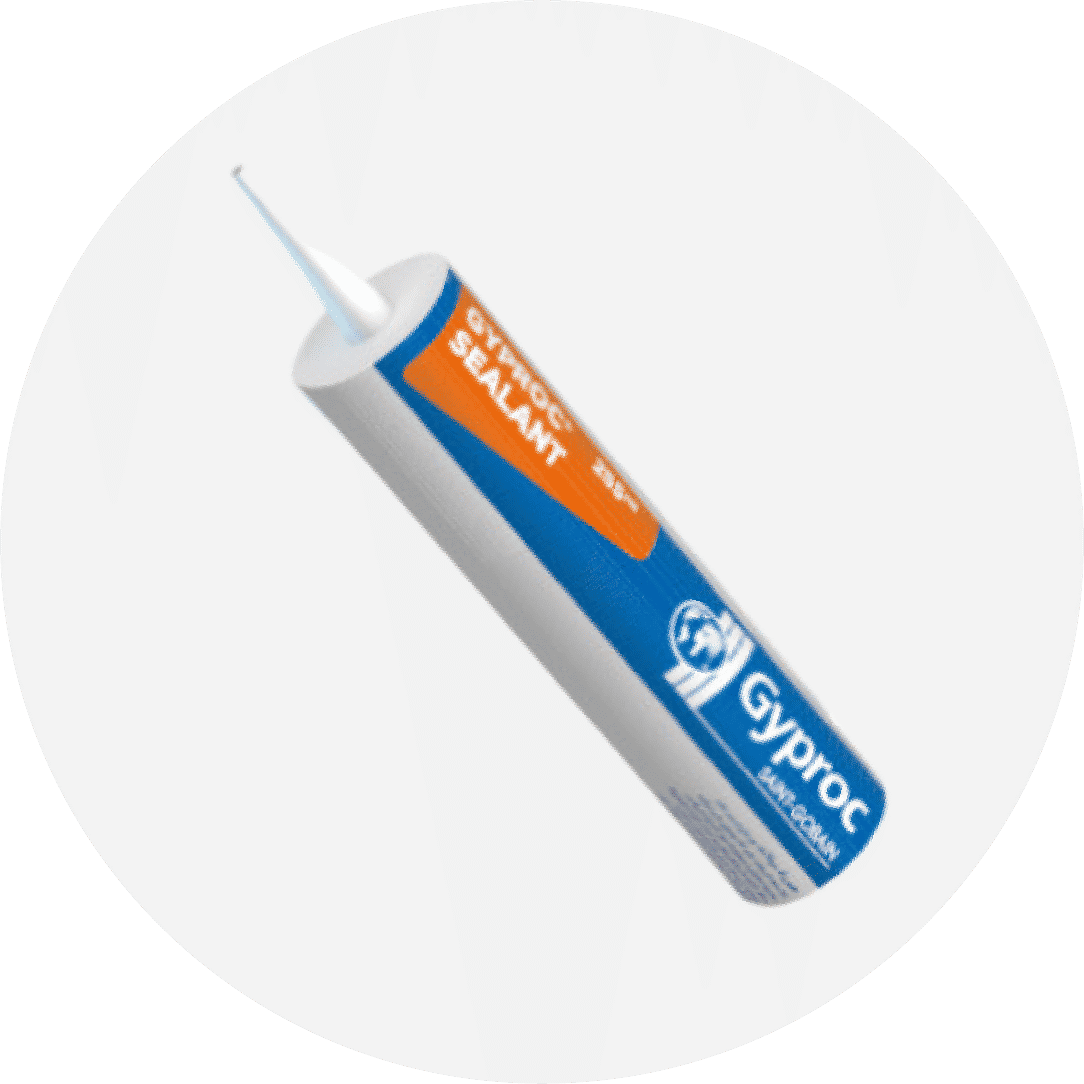
- Apply sealant at perimeter: A flexible gypsum-compatible sealant at the wall-ceiling junction accommodates thermal movement — critical in UAE buildings that cycle between extreme outdoor heat and heavily air-conditioned interiors.
- Prime and paint: A PVA primer coat seals the paper face before emulsion paint application. Skipping primer on gypsum board in UAE humidity conditions leads to paint adhesion failure within one season.
Cost Guide: Gypsum Board Prices & Ceiling Installation Rates in UAE (2026)
Material Cost per Sheet (AED)
| Board Type | Size | Thickness | Approx. Price (AED/sheet) |
|---|---|---|---|
| Standard (Type A) | 1200 × 2400mm | 12.5mm | AED 18 – 30 |
| Moisture-Resistant (Type H) | 1200 × 2400mm | 12.5mm | AED 28 – 42 |
| Fire-Resistant (Type F) | 1200 × 2400mm | 15mm | AED 35 – 55 |
| Acoustic Board | 1200 × 2400mm | 12.5mm | AED 45 – 70 |
| Armstrong Ceiling Tile (600×600) | 600 × 600mm | 15mm | AED 12 – 35 per tile |
Prices are indicative market rates for UAE as of Q1 2026. Bulk project pricing and brand premiums apply. Request a quote from FEPY for volume orders.
Labour & Installation Cost per Square Metre (AED)
| Scope | Approx. Cost (AED/m²) |
|---|---|
| Basic flat gypsum ceiling (supply & install) | AED 35 – 55 |
| MR board ceiling in bathroom (supply & install) | AED 50 – 75 |
| Fire-rated double-layer corridor ceiling | AED 80 – 130 |
| Feature / stepped ceiling with bulkheads | AED 90 – 160 |
| Armstrong grid tile system (commercial) | AED 55 – 95 |
Labour rates reflect the Dubai and Abu Dhabi market. Northern Emirates rates are typically 10–15% lower. Rates exclude MEP works, painting, and project preliminaries.
Total Project Budget Estimates for Common UAE Scenarios
- 3-bedroom villa (approx. 280m² of ceiling): AED 12,000 – 22,000 fully installed, including bulkheads and bathroom MR board
- 200m² commercial office fit-out ceiling: AED 14,000 – 28,000 with Armstrong grid tile system and MEP access panels
- High-rise floor corridor (fire-rated, 80m²): AED 9,000 – 16,000 for double-layer Type F system
Where to Buy Gypsum Board & Ceiling Systems in the UAE
FEPY supplies the full system — from board to metal framing to accessories — for UAE contractors, fit-out companies, and procurement teams. Orders can be placed online or via trade account for project-volume pricing with site delivery across Dubai, Abu Dhabi, Sharjah, and the Northern Emirates.
Sources & References
- ESMA — Emirates Authority for Standardization and Metrology: UAE product conformity and building materials standards
- Dubai Municipality — Building regulations and fit-out compliance requirements for gypsum ceiling systems
- BSI Group — BS EN 520 (Gypsum Plasterboards) and BS EN 13501-1 (Fire Classification of Construction Products)
