









By Khalid Al Mansoori, Senior Procurement Specialist | Published: April 2026
Having specified plastering materials for villa fit-outs across Jumeirah and high-rise residential towers in Dubai Marina, I've watched entire batches of gypsum go to waste because the wrong product was ordered for the application — finishing coat used where a base coat was needed, or Plaster of Paris mixed like a wall skim. In UAE conditions, those mistakes don't just cost bags of material; they cost rework days in 45°C heat. This guide cuts through the confusion so you order the right product the first time.
What Is Gypsum Plaster? Composition and Core Properties
Gypsum plaster is calcium sulphate hemihydrate (CaSO₄·½H₂O) — a mineral binder that sets through rehydration rather than carbonation like cement. When water is added, it reverts to calcium sulphate dihydrate, releasing a small amount of heat and expanding very slightly (around 0.5%), which helps it fill micro-voids and bond tightly to substrates.
Key properties that matter on UAE sites:
- Fire resistance: Gypsum is non-combustible and releases chemically bound water when exposed to heat, providing passive fire protection [BS EN 520].
- Dimensional stability: Minimal shrinkage cracking compared to cement-sand plaster — critical for long flat runs on villa walls.
- Workability: Smooth, creamy consistency makes it ideal for fine finishing directly on masonry or gypsum board.
- Moisture sensitivity: Unlike cement, gypsum degrades with prolonged water contact — not for wet rooms or external surfaces.
Plaster of Paris vs Gypsum Plaster vs Gypsum Powder: Key Differences
These three terms overlap in everyday trade talk, but they describe distinct products with different calcination temperatures and additive profiles.
| Product | Calcination Temp. | Setting Time | Primary UAE Use | Retarder Added? |
|---|---|---|---|---|
| Plaster of Paris (PoP) | 120–180°C | 5–20 min | Cornices, moulds, decorative ceiling elements | No (or minimal) |
| Finishing Gypsum Plaster | 120–180°C | 45–90 min | Final skim coat on walls & ceilings | Yes — extended open time |
| Undercoat / Base Coat Plaster | 120–180°C | 60–120 min | First coat on block/brick, filling hollows | Yes — plus aggregate fillers |
| Gypsum Powder (Industrial) | Varies | Varies by grade | Precast elements, screed topping, joint filling | Grade-dependent |
Plaster of Paris: Best Use Cases on Site
PoP's fast set — typically 8–12 minutes in ambient 25°C — makes it the go-to for gypsum cornice installation, running mouldings, and patching ceiling elements. On UAE sites where ambient temperatures regularly hit 38–42°C indoors during summer construction, that setting window can collapse to 4–6 minutes. Mix only what you can apply in three minutes. It is not suitable for large flat wall surfaces because the fast set creates seams and cold joints.
Gypsum Plaster: Undercoat vs Finish Coat
Undercoat plaster (also called base coat or browning coat) contains coarser aggregate and is applied at 8–12 mm thickness to level uneven concrete block or AAC block surfaces — common in UAE villa construction. The finish coat goes on at 2–3 mm, creating the smooth surface for paint or wallpaper. Applying finish coat directly over rough masonry without a base coat is one of the most common mistakes on villa projects; it shrinks unevenly and maps the block joints through the paint.
Gypsum Powder: Industrial and Decorative Applications
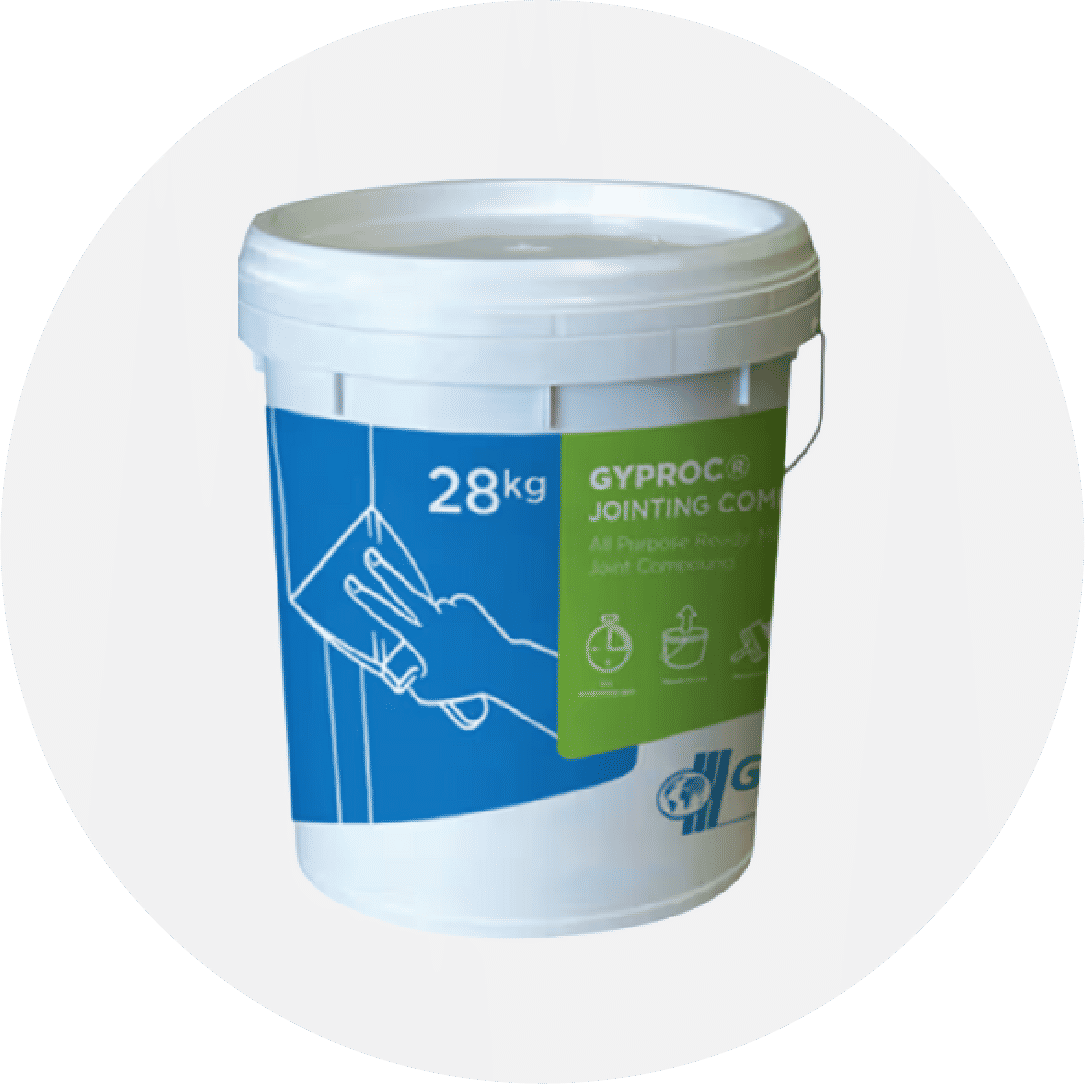
Industrial-grade gypsum powder is used in precast gypsum ceiling tile production, screed topping mixes, and as a retarder in Portland cement [ASTM C563]. On fit-out sites, it also appears in joint compound formulations for taping gypsum board seams.
How UAE Climate Affects Plaster Performance
Impact of 45°C+ Heat on Plaster Setting Time
Heat accelerates the hydration reaction in gypsum. At 45°C substrate temperature — typical for an unshaded external-facing wall in July in Abu Dhabi — setting time can reduce by 30–50% compared to the manufacturer's stated figure at 23°C [BSI PD 6678]. Mitigation steps used by experienced UAE plasterers:
- Mix with chilled water (from a shaded tank or iced water supply) — drops mix temperature by 8–12°C immediately.
- Dampen the substrate before application to slow moisture loss from the mix.
- Schedule plastering work before 9:00 AM or after 5:00 PM during summer months.
- Never increase water ratio to extend working time — it weakens the set matrix and causes shrinkage cracking.
Coastal Humidity and Salt Air: Why Mix Ratios Matter
In coastal areas — Ajman, Umm Al Quwain, Abu Dhabi Corniche-facing buildings — salt-laden humid air introduces chlorides that can delay initial set unpredictably. Bags of gypsum powder left open overnight in a coastal site store absorb atmospheric moisture and partially pre-hydrate, rendering them unusable. Store all bags on pallets, off the ground, in a covered area. Shelf life for opened bags in UAE coastal conditions is effectively 24 hours.
Which Product to Use: Walls, Ceilings, Cornices & Finishing
| Application | Recommended Product | Thickness | Notes |
|---|---|---|---|
| Rough block wall — first coat | Undercoat / base coat gypsum plaster | 8–12 mm | Apply in one pass; do not exceed 15 mm |
| Smooth wall finish | Finishing gypsum plaster (skim coat) | 2–3 mm | Over cured base coat or gypsum board |
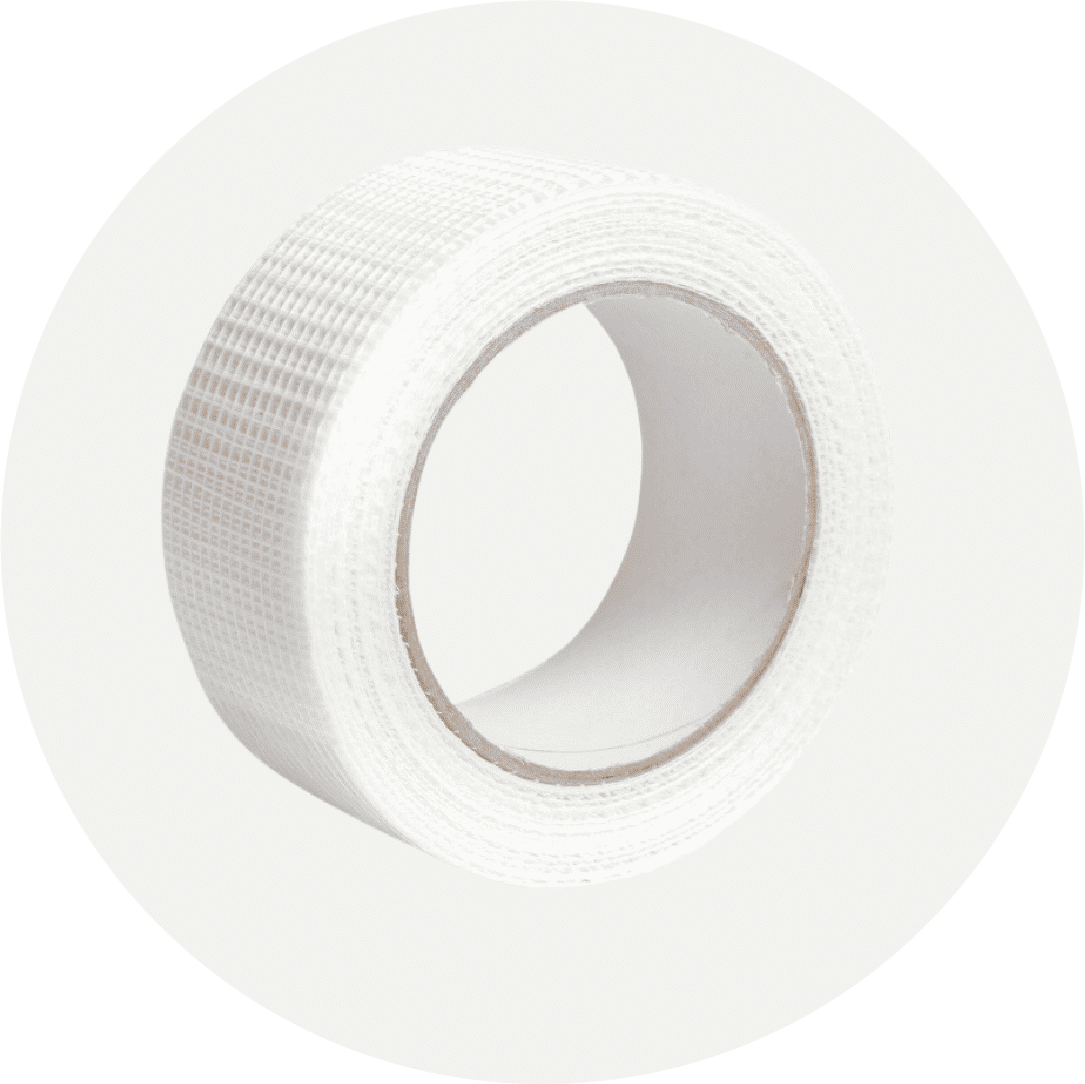
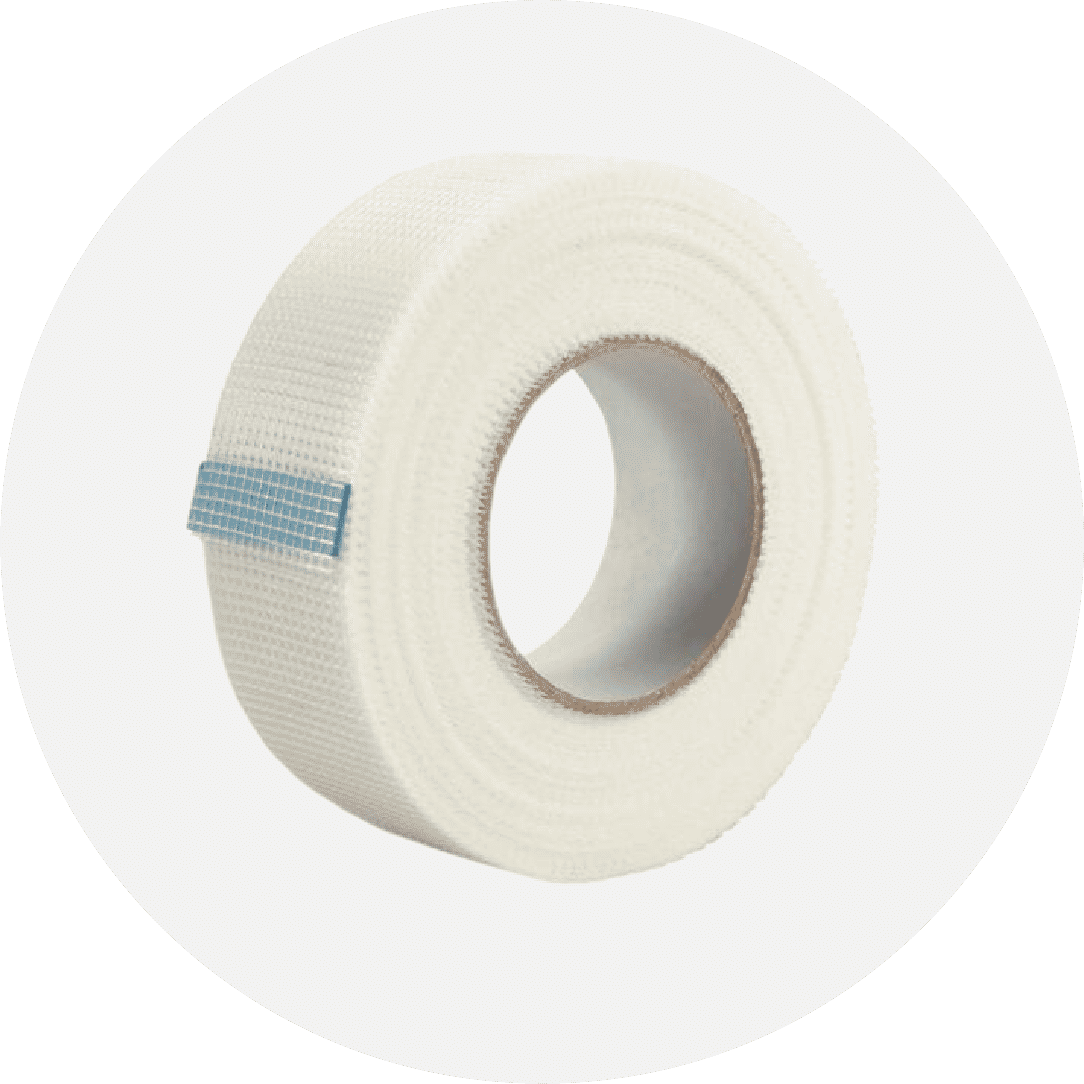
| Gypsum board ceiling seams | Joint compound / finishing compound | 1–2 mm per pass | 2–3 coats with feathering; use mesh tape |
| Decorative cornices & moulds | Plaster of Paris | Per design | Small batches only; fast set in heat |
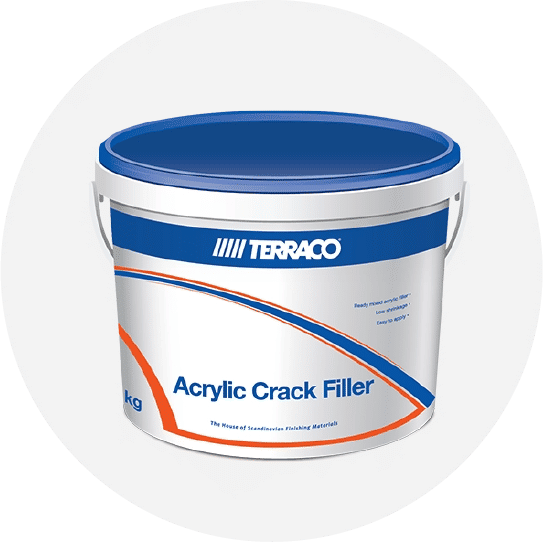
| Patching & repairs | Ready-mix filler or PoP | Up to 10 mm per application | For deeper voids, use base coat first |
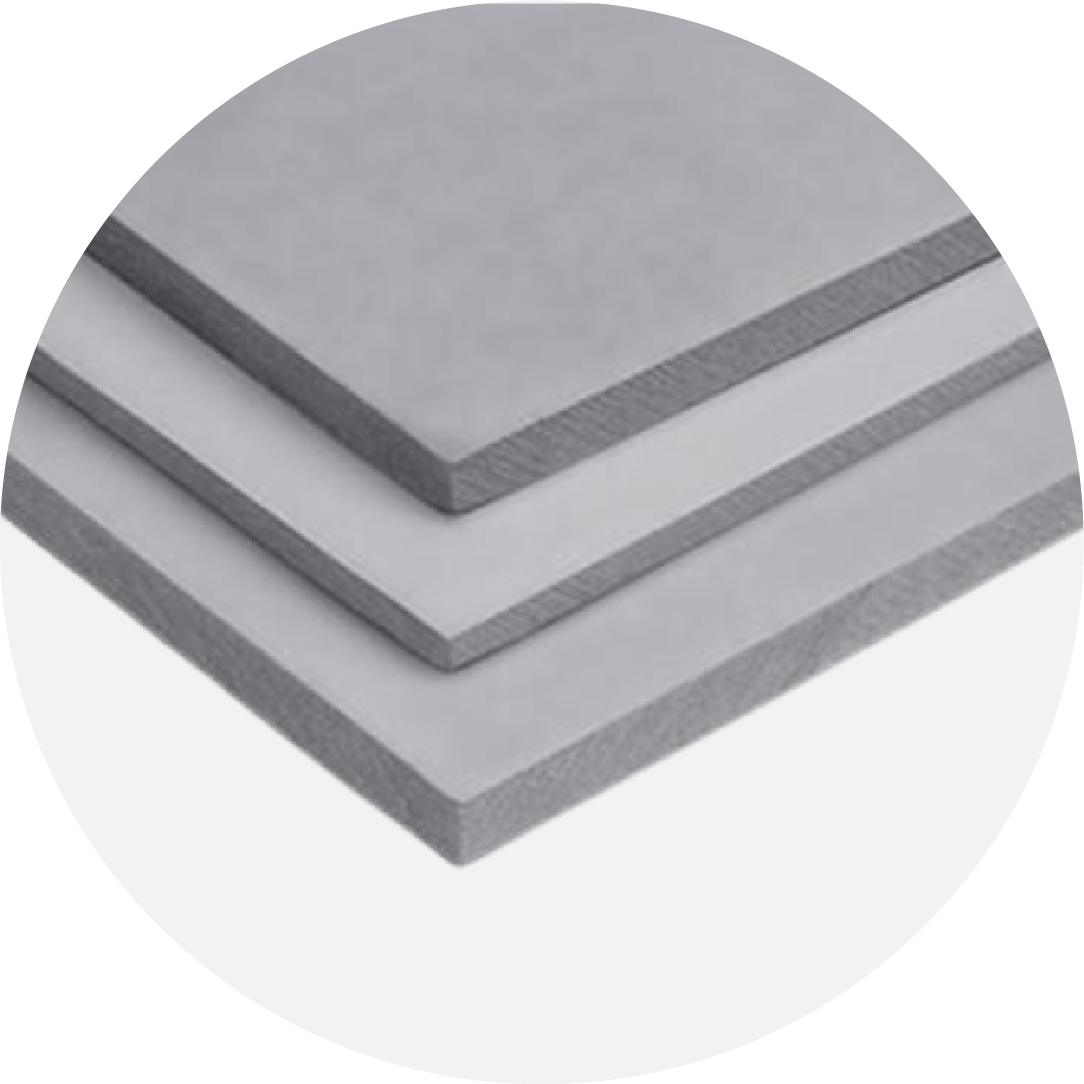
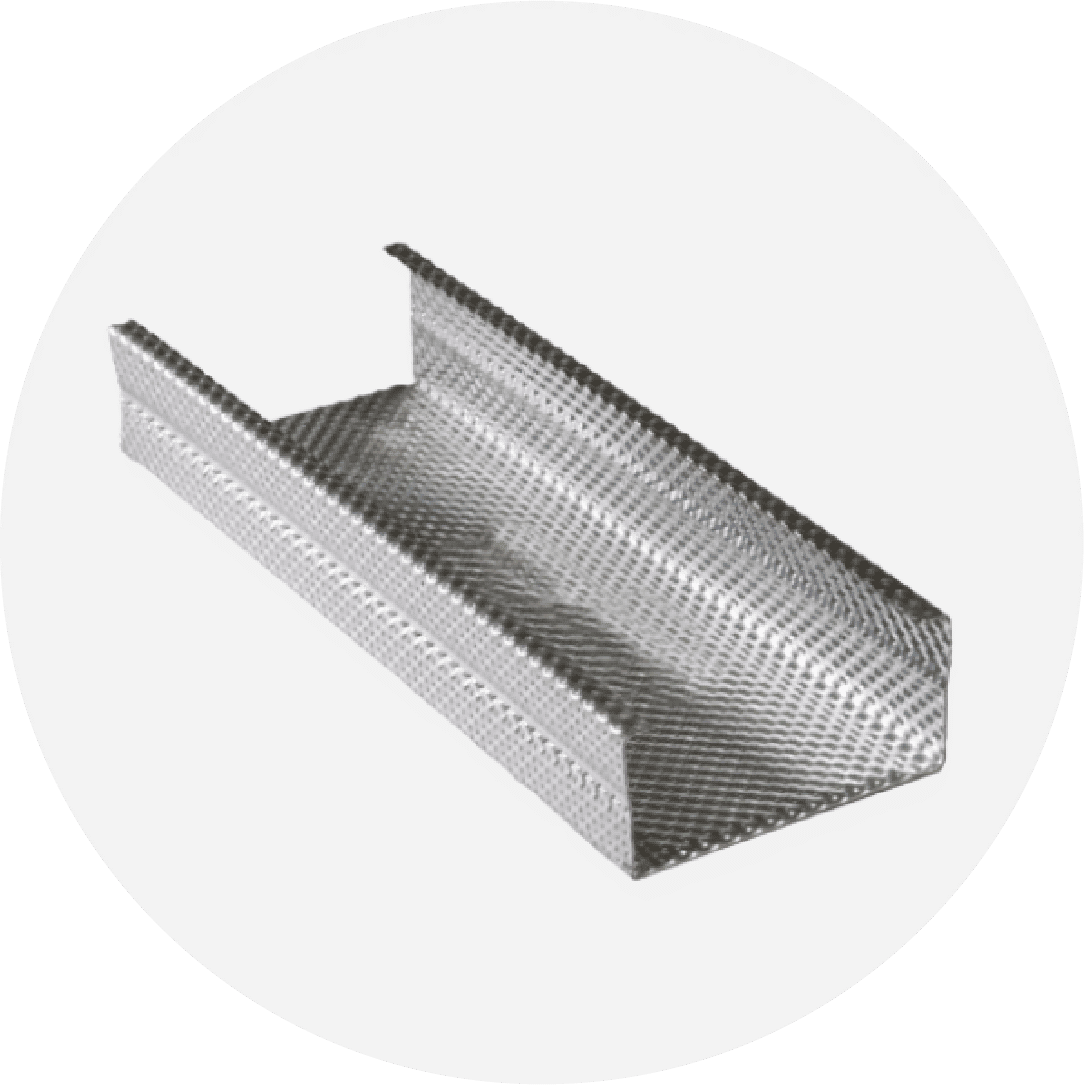
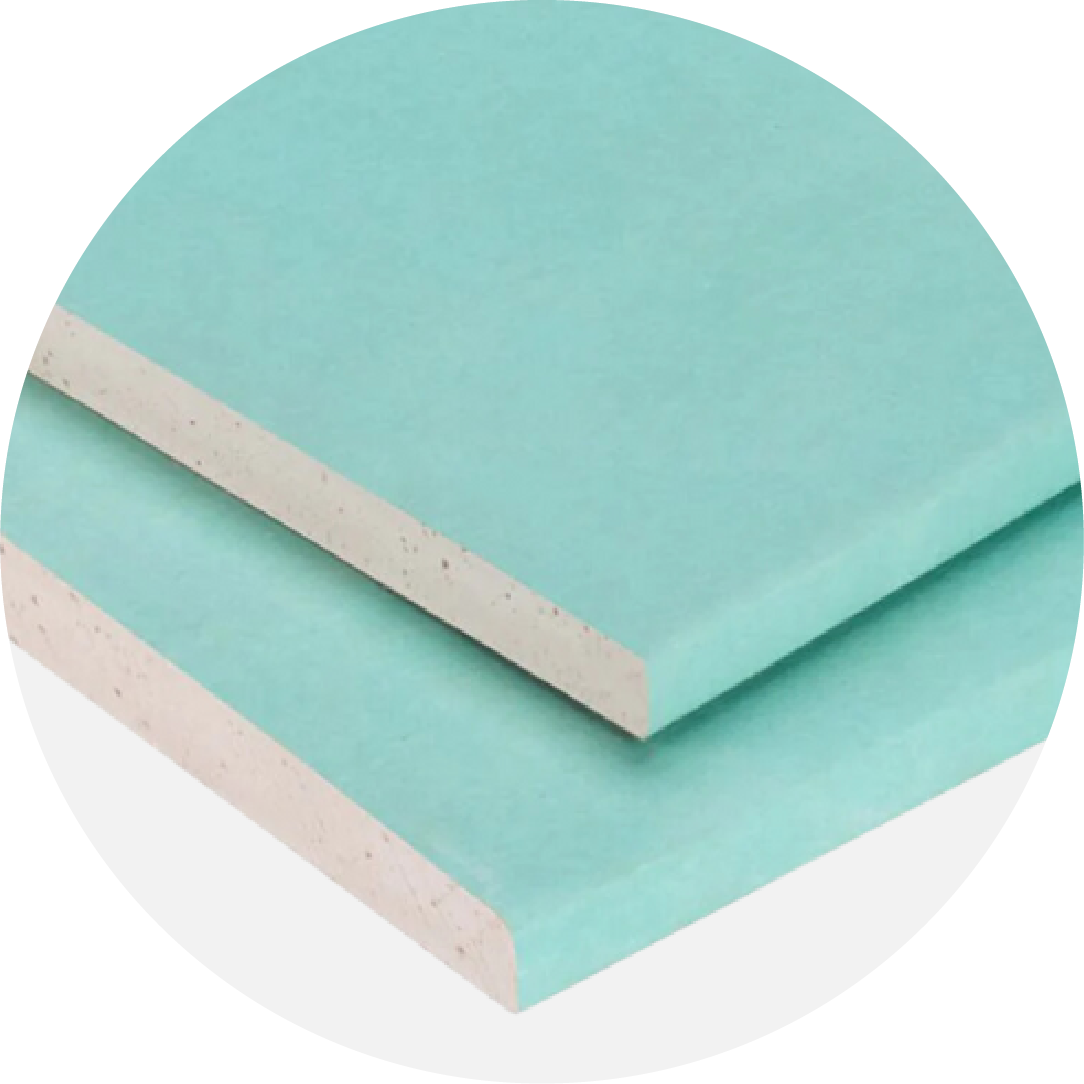
| Suspended ceiling system | Gypsum board on metal frame | 12.5 mm board standard | Skim coat optional for paint-ready finish |
Ceiling Work: Suspended Systems vs Direct Plaster Application
Most UAE commercial and residential projects now use gypsum board on suspended metal grid systems rather than wet-plastered concrete soffits. Suspended systems are faster, lighter (reducing dead load on slabs), and allow MEP services to run above the ceiling void. Direct skim plaster on concrete soffits is still common in budget villa construction and labour accommodation — it requires a bonding agent on smooth concrete and achieves a finish thickness of 3–5 mm.
Application Guide: Mixing Ratios, Setting Times & Coverage
Coverage Rates and Bag Yield per Square Metre
| Product Type | Typical Bag Size | Water Ratio (by weight) | Coverage @ Stated Thickness | Open Time (at 23°C) |
|---|---|---|---|---|
| Finishing plaster | 25 kg | 0.6–0.7 L per kg | ~12–14 m² at 2 mm | 60–90 min |
| Base coat / undercoat | 25 kg | 0.55–0.65 L per kg | ~4–5 m² at 10 mm | 90–120 min |
| Plaster of Paris | 25 kg / 40 kg | 0.6–0.7 L per kg | ~10–12 m² at 2 mm | 8–15 min |
Note: Coverage figures are indicative. Actual yield varies with substrate porosity, surface profile, and ambient temperature. Always run a small test batch on site before committing to a full pour.
Common Mixing Mistakes UAE Plasterers Make
- Adding powder to a dry bucket, then water: Always add powder to water — not the reverse. Adding water to powder creates lumps that never fully disperse.
- Remixing after initial set begins: Once gypsum starts to set, remixing breaks the crystal structure. The result looks workable but won't develop full strength. Discard and start a fresh batch.
- Over-watering in summer: Plasterers instinctively add more water when a batch stiffens quickly in heat. This is the wrong response — it weakens the final surface. Instead, mix smaller batches more frequently.
- Using contaminated water: On sites drawing from tanker water with high TDS (total dissolved solids), plaster setting behaviour becomes unpredictable. Use potable water or test the tanker supply.
- Skipping primer on gypsum board: Applying skim coat directly on unsealed board without a diluted PVA primer causes rapid suction and dry edges before the coat is levelled.
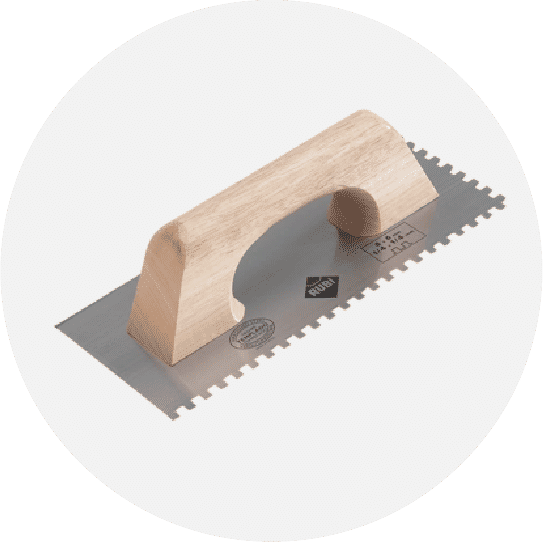
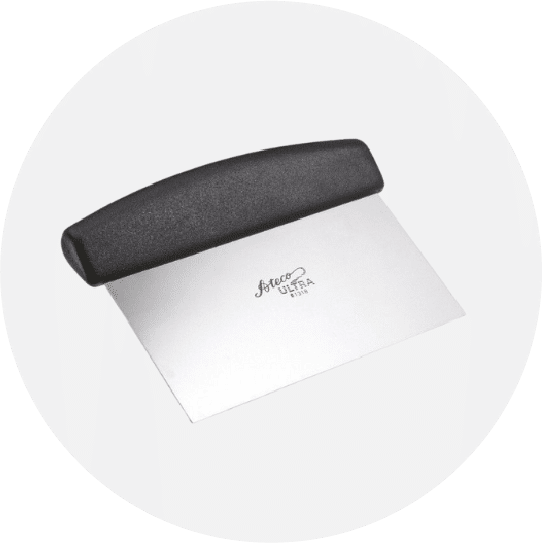
A quality plastering trowel with a flexible steel blade makes a measurable difference in achieving a flat, bubble-free finish — particularly on large ceiling runs. For professional results, also ensure you have the right plastering tools on site before starting.
Major Brands in the UAE Market
| Brand | Key Products for UAE | Notes |
|---|---|---|
| Saint-Gobain Gyproc | Gyproc DriWall, Gyproc WallBoard, finishing plaster | Dominant in UAE commercial high-rise; locally produced board |
| Knauf | Knauf HP Finish, Knauf MP75, GoldBand | Strong presence in Abu Dhabi and Northern Emirates projects |
| Gypsimna | Gypsimna board, Gypsimna plaster powder | UAE-manufactured; popular on government and semi-government contracts |
| Birla White | Birla White Plaster of Paris, Birla Wall Care Putty | High-purity PoP; widely specified for villa interiors across UAE |
| Saint-Gobain Weber | Weber.prim, Weber.cal base coat, Weber.fin finishing plaster | System-based approach with matched base and finish coats |
| National Gypsum (NGC) | Gypsum board, plaster products | Saudi-manufactured; imported for large UAE infrastructure projects |
| USG Boral | Sheetrock joint compound, Durock board | Specified on international hotel brands and healthcare projects |
Safety, Standards & Compliance in the UAE
ESMA and Dubai Municipality Compliance for Interior Finishes
Interior plastering materials used on UAE projects must comply with applicable Emirates standards. Gypsum board and plaster products for fire-rated assemblies must meet ESMA UAE.S GSO 683 requirements for fire-resistant gypsum board [Emirates Authority for Standardization & Metrology (ESMA)]. Dubai Municipality's Green Building Regulations also specify VOC limits for interior finishing materials, which applies to primers and bonding agents used in conjunction with gypsum systems [Dubai Municipality — Green Building Regulations].
Key compliance points for site supervisors:
- Fire-rated partitions: Only use gypsum board and plaster systems with tested and certified fire ratings. Third-party test reports must be available for inspection.
- Moisture-resistant board (MR/moisture resistant) must be specified in bathrooms and kitchens, not standard board — even if plaster is the finish [BS EN 520].
- Bag labels must show batch number and manufacture date — reject any bags without this information on site. Gypsum powder older than 6 months from manufacture should be tested before use.
Where to Buy Gypsum Plaster and Related Products in UAE
FEPY supplies gypsum plaster, Plaster of Paris, gypsum board, and associated materials with same-day dispatch from Dubai for most in-stock items. For fit-out teams and contractors managing multiple project phases, bulk pricing is available on pallet orders.
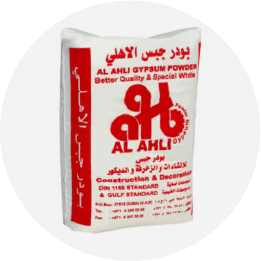
- Browse all gypsum powder products UAE — finishing, base coat, and PoP grades
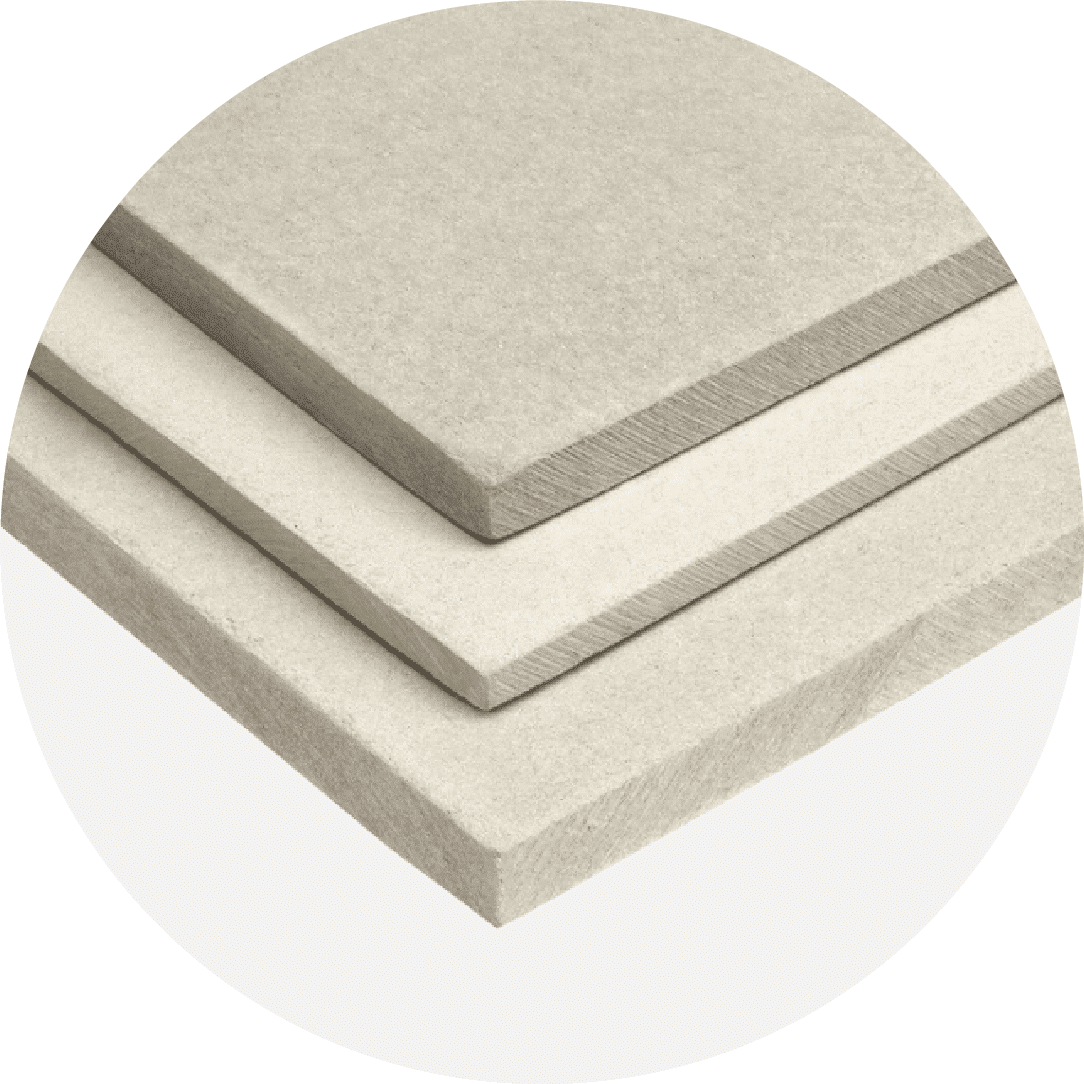
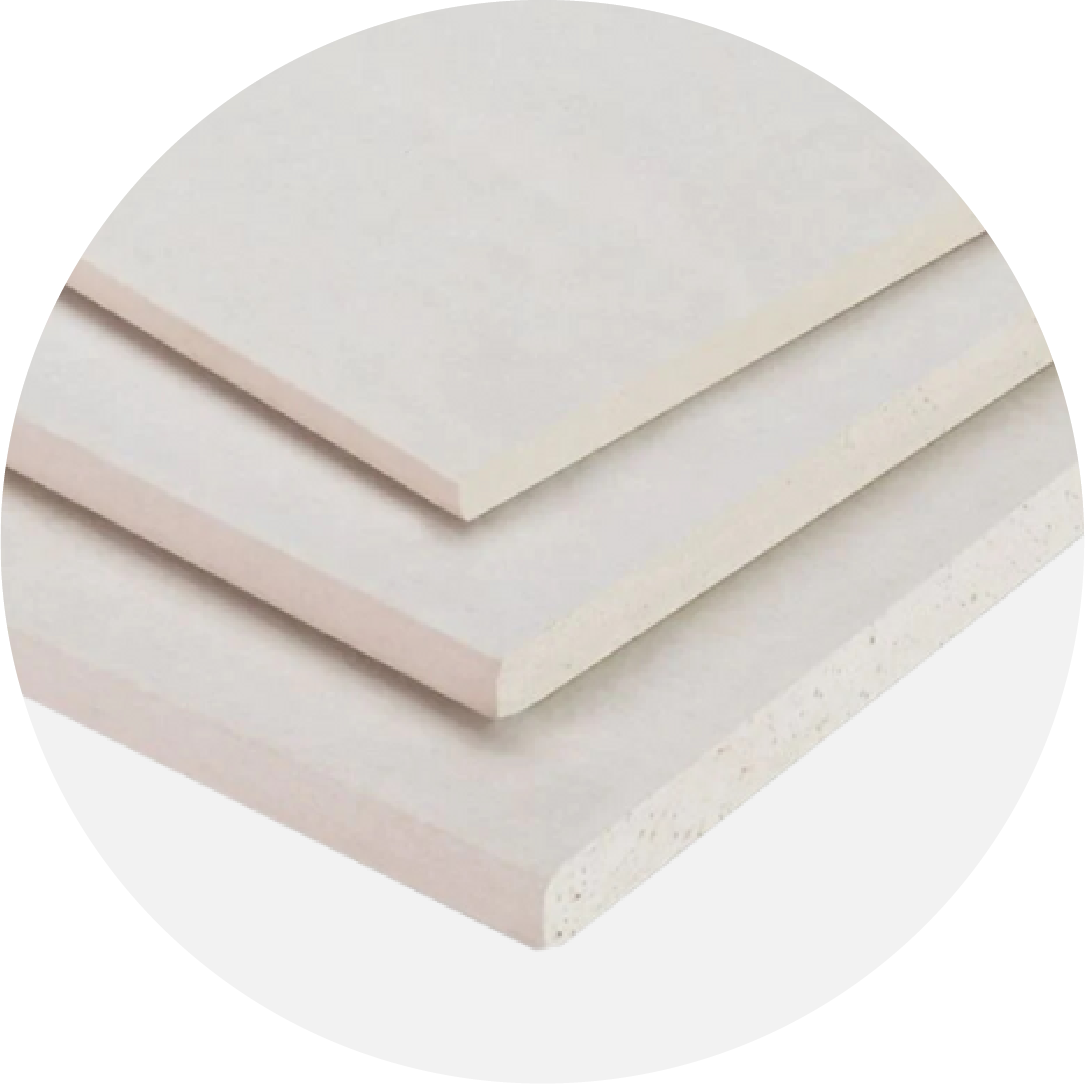
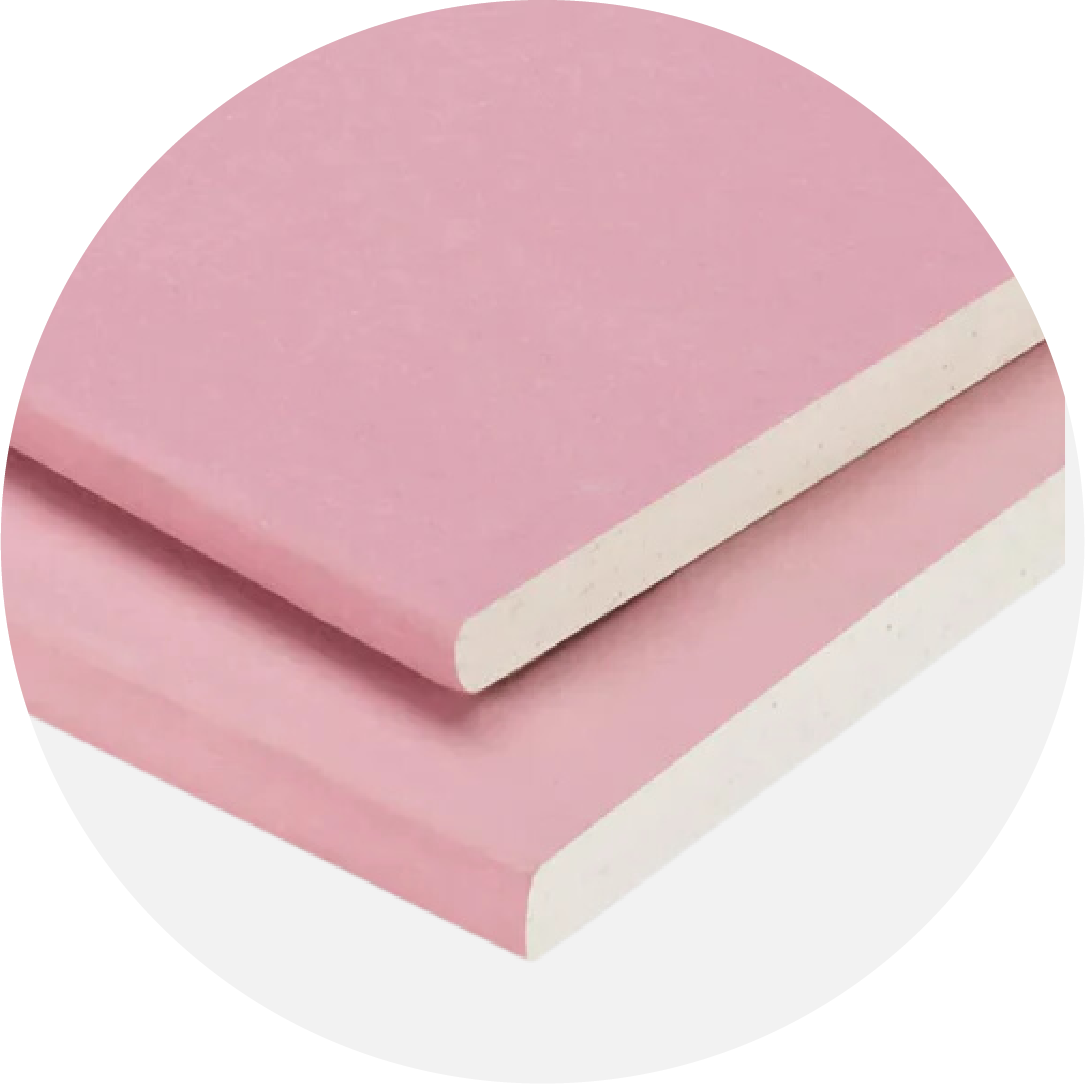
- Shop gypsum plasterboards — standard, moisture-resistant, and fire-rated
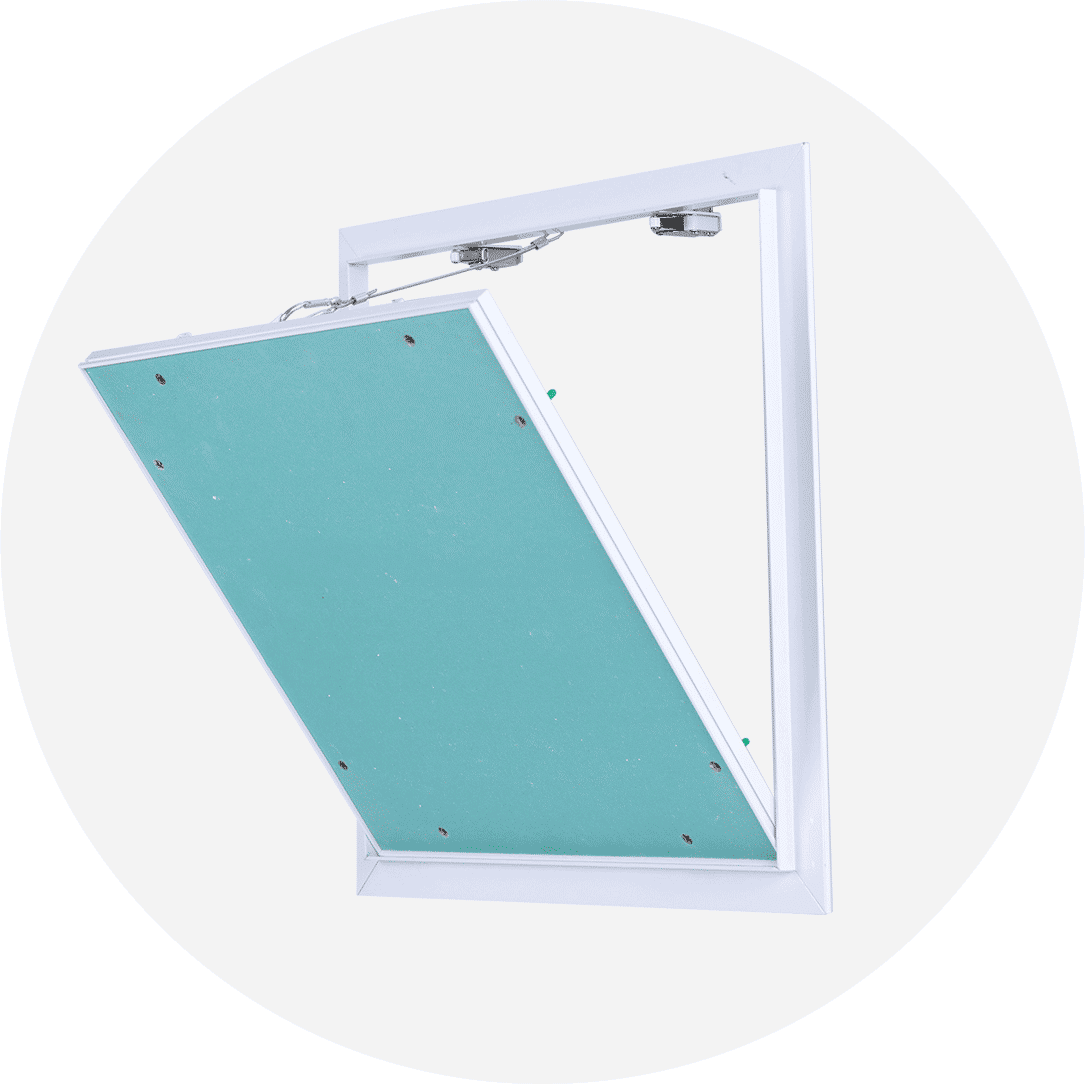
- Find gypsum board accessories — beads, screws, and suspension components
- Order wall putty for pre-paint surface preparation
- Shop fillers and repair compounds for patching and void filling
- Browse all building materials available for UAE delivery
