












By Khalid Al Mansoori, Senior Procurement Specialist | Published: April 2026
Having specified and sourced wire connectors for MEP fit-out packages across projects in Dubai Marina, Al Quoz industrial zones, and Abu Dhabi infrastructure builds, I've seen directly how a mismatched connector — wrong size, wrong IP rating, wrong material — causes failed inspections, overheating, and rework that nobody budgets for. The 10mm wire connector is one of the most commonly requested connector sizes on UAE sites, covering sub-main feeds, lighting circuits, DB tails, and motor terminations. This guide cuts through the noise and gives you the technical data you need to specify, purchase, and install them correctly.
Types of Wire Connectors Used in UAE Construction
UAE construction covers villa fit-outs, commercial towers, MEP risers, outdoor plant rooms, and coastal infrastructure — each environment demanding a different connector type. The most common connector families you'll encounter on site:
Crimp Connectors for High-Current Applications
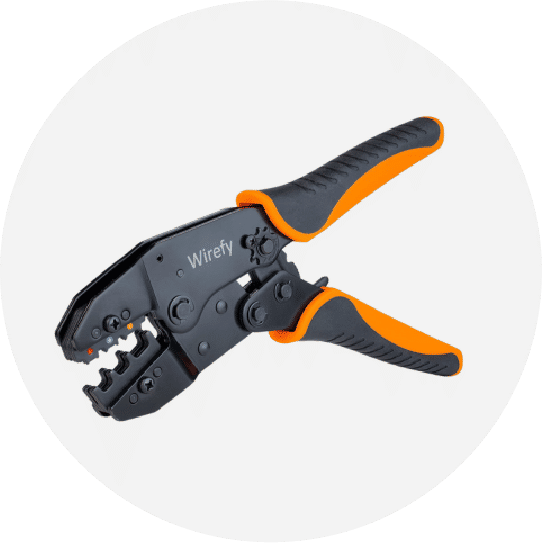
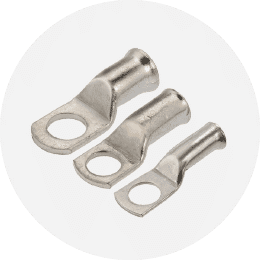
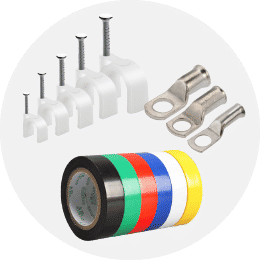
Crimp connectors — including ring terminals, ferrules, and butt splices — are the standard for terminating 10mm² conductors onto busbar studs, motor terminals, and distribution boards. A properly crimped 10mm² copper lug provides a gas-tight joint that resists oxidation, which matters in the coastal humidity of areas like Jumeirah and Yas Island. For crimped terminations, always use a calibrated ratchet crimping tool to meet the mechanical pull-out force requirements of IEC 60947-7-1 (terminal blocks for industrial use). You can find the right tooling in the crimping tools range on FEPY.
Screw Terminal Blocks for Flexible Wiring
Screw terminal blocks are the go-to for panel builders and control cabinet integrators. A standard 10mm² screw terminal block (DIN rail-mounted) handles up to 10mm² solid or stranded conductor and is rated to 76A at 800V AC [IEC 60947-7-1]. ABB, Legrand, and Schneider all manufacture well-distributed DIN rail terminal blocks used regularly in UAE distribution board assemblies. Hager and Eaton are also strong options for larger sub-main panel builds.
Push-In Connectors for Speed & Reliability
Push-in (tool-free) wire connectors — such as the Wago 221 series or equivalent — accept solid and stranded conductors without a screwdriver. For 10mm² conductors, look for connectors rated to at least 32A / 450V. These are increasingly popular on villa fit-out and light commercial projects where speed of termination is critical. Maximum conductor size accepted by most push-in blocks in this range is 10mm² solid or 6mm² fine-stranded; always check the datasheet before specifying for larger flexible cables.
Waterproof Connectors for Outdoor & MEP Work
For outdoor plant rooms, rooftop AC disconnects, irrigation pump panels, and any external junction, you need connectors housed in or rated to at least IP65 [IEC 60529]. Installations within 500m of the coast — common across Dubai, Sharjah, and Abu Dhabi seafronts — should use connectors with nickel-plated or tinned copper contacts to resist salt air corrosion. Cellpack gel-filled cable joints and resin-based connector kits provide IP68-rated solutions for direct-burial and submersible applications.
Heat-Shrink Connectors with Built-In Insulation
Heat-shrink butt connectors with adhesive-lined sleeves create a sealed, insulated joint in a single operation — useful for wire-to-wire joins inside junction boxes or within conduit runs where re-entry is difficult. In UAE conditions where ambient temperatures in roof voids can exceed 60°C, choose connectors with temperature ratings of at least 105°C to avoid insulation creep.
Connector Specifications: Amperage, Voltage & Temperature Ratings
For a 10mm² copper conductor at standard UAE installation conditions, the following ratings apply:
- Current rating: A 10mm² copper conductor carries 57A in free air or 44A when clipped to a wall (Installation Method C) [IEC 60364-5-52 / BS 7671 Table 4D1A]. Your connector must match or exceed this rating — never be the weak link in the circuit.
- Voltage rating: Standard connectors for building services are rated 450/750V or 0.6/1kV. For sub-main feeds from MDBs or SMDBs, use connectors rated to 0.6/1kV minimum.
- Temperature rating: Connector insulation must be rated to at least 70°C (PVC) or preferably 90°C (XLPE/LSZH) for UAE roof and plant room installations where ambient temperatures regularly exceed 45°C during summer months.
- Derating: At 45–50°C ambient, apply a derating factor of approximately 0.87 to cable current capacity [IEC 60364-5-52, Table B.52.14]. Your connector's contact rating should similarly be derated — check manufacturer datasheets for thermal derating curves.
IP Ratings & Environmental Protection for UAE Climate
UAE sites present three distinct environmental challenges: fine desert dust (PM10 levels can spike dramatically during shamal season), coastal salt air, and seasonal high humidity in the northern emirates. The IP rating system [IEC 60529] defines protection against both solid particles (first digit) and liquids (second digit):
- IP20: Indoor, dry panels and DBs only — not suitable for any exposed site location.
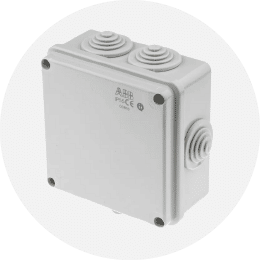
- IP44: Minimum for external junction boxes in sheltered outdoor locations.
- IP65: Required for any rooftop, plant room, or unsheltered outdoor termination. Dust-tight and low-pressure water jet protected.
- IP67/IP68: For direct-burial joints, underground pull pits, and submersible pump terminations.
When specifying connectors for outdoor or semi-outdoor applications, always state the required IP class on your material submittal — Dubai Municipality inspectors routinely check this on commercial and residential projects.
Material Durability: Copper, Aluminium & Corrosion Resistance
The conductor material of your cable dictates the connector material required. Mixing copper and aluminium in a connector without a bi-metallic interface causes galvanic corrosion [IEC 61238-1], which generates resistance, heat, and eventually joint failure. Key rules:
- Copper-to-copper: Standard tinned or bare copper lugs and terminals — the default for most UAE building services wiring.
- Aluminium cable terminations: Require bi-metallic (Al/Cu) lugs with anti-oxidant compound. This is relevant for larger power cables from Ducab, National Cables, or Oman Cables used in sub-main and HV distribution runs.
- Coastal projects: Specify tinned copper or nickel-plated contacts. Bare copper oxidises rapidly in salt air environments, increasing contact resistance over time.
All connector and lug materials should be sourced from the cable lug range to ensure you're getting the correct bi-metallic or tinned options.
Wire Gauge Compatibility & Size Selection
10mm² is a specific conductor cross-section, not a physical cable diameter. A 10mm² single-core cable has an outer diameter that varies by insulation type — typically 7–9mm overall for PVC-insulated single-core from the singlecore cables range. Key compatibility checks before ordering connectors:
- Confirm whether the conductor is solid or stranded — push-in connectors often have different maximum sizes for each type.
- Check the stripping length required — usually 10–12mm for screw terminals and 8–10mm for push-in connectors.
- For armoured cables (SWA/AWA), the connector or gland must accommodate both the armour wire diameter and the inner conductor. Use a proper cable gland rated for armoured cable — the connector itself only terminates the inner cores.
- 10mm vs 16mm: A 10mm² connector will not safely accept a 16mm² conductor — the contact pressure and current rating are mismatched. Always size the connector to the actual conductor cross-section, not the next size up or down.
Installation Methods: Crimping, Screw Terminal & Push-In Systems
Method selection depends on application, re-termination frequency, and available tooling on site:
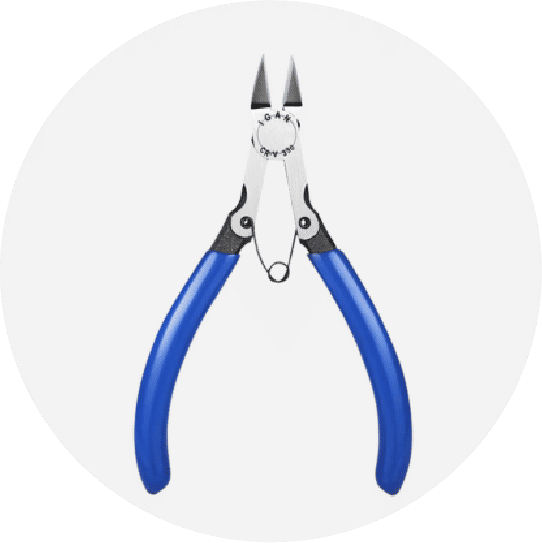
- Crimping: Highest mechanical strength, tamper-resistant, best for permanent terminations in DB tails and motor circuits. Requires calibrated tools — see the wire cutters and stripping tools range for correct cable preparation before crimping.
- Screw terminals: Re-terminatable, auditable (visible screw torque), preferred by inspectors on commercial projects. Torque must meet manufacturer specification — under-torqued terminals are a leading cause of overheating at termination points.
- Push-in: Fastest installation, tool-free, suitable for solid conductors up to 10mm² and flexible conductors up to 6mm² (check datasheet). Not recommended for high-vibration environments such as plant room motor panels.
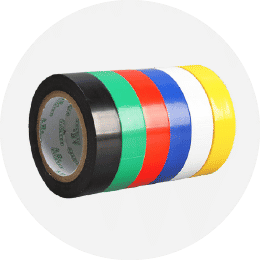
Wrap all open termination joints with quality insulation tape where additional mechanical protection or phase identification is needed.
Safety Standards & Compliance in UAE Projects
UAE electrical installations are governed by the Dubai Electricity and Water Authority (DEWA) Regulations, Abu Dhabi Distribution Company (ADDC) standards, and international standards adopted by local authorities. Wire connectors must comply with:
- IEC 60947-7-1: Terminal blocks for industrial use — covers current rating, dielectric strength, and mechanical endurance.
- IEC 60529: IP rating classification for enclosures — mandatory for any outdoor or wet-area connector specification.
- BS 7671 / IET Wiring Regulations (18th Edition): Widely referenced across UAE commercial and residential projects for cable sizing and termination requirements.
- ESMA: The Emirates Authority for Standardisation and Metrology sets conformity requirements for electrical products sold in the UAE. Always verify that connectors sourced in bulk carry the relevant conformity marking. See ESMA — UAE Product Conformity & Electrical Safety Standards for current requirements.
For MK and Decoduct accessories used in conduit and wiring channel systems, ensure the full system (conduit, connector, junction box) carries consistent IP and fire ratings to avoid compliance gaps at inspection.
Common Wire Connector Failures on Site
Based on procurement and site feedback across multiple UAE projects, the most frequent connector failure modes are:
- Undersized connectors: Using a 6mm² lug on a 10mm² conductor — the conductor doesn't seat properly, creating a high-resistance hot spot.
- Wrong material pairing: Copper lug on aluminium conductor without anti-oxidant compound or bi-metallic interface.
- Insufficient IP rating: IP20 screw terminals installed in outdoor DB enclosures — dust ingress causes tracking faults, particularly during shamal dust storms.
- Inadequate torque: Screw terminals not torqued to specification (typically 2.5–4 Nm for 10mm² terminals) — the most common single cause of terminal overheating in commercial panels.
- Heat degradation: PVC-insulated connectors installed in roof void or plant room environments where ambient temperatures regularly exceed the 70°C insulation rating.
All cable and wire accessories on FEPY carry manufacturer datasheets — check the temperature and torque specifications before placing bulk orders.
Where to Buy Wire Connectors in the UAE
For contractors and procurement teams, buying wire connectors locally means faster lead times, easier returns, and access to technical support. FEPY supplies connectors, lugs, terminals, and associated accessories for UAE construction projects, with bulk pricing available for project quantities.
Browse the following categories for your project requirements:
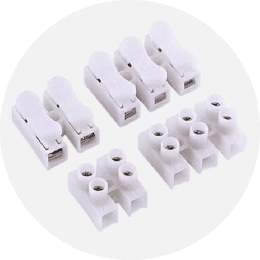
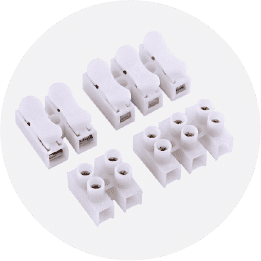
- Cable Connectors — full range of terminal, crimp, and push-in connectors
- Plugs & Connectors — industrial and site connectors
- Electrical — complete electrical supplies for UAE construction
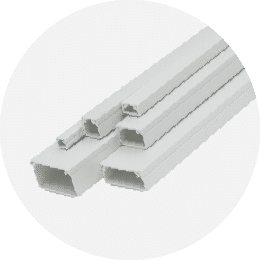
- Conduits — compatible conduit systems for protected wiring runs
Bulk pricing for 10mm² connector kits, terminal blocks, and cable lugs starts from approximately AED 0.80–2.50 per unit depending on type and brand, with project quantity discounts available on orders above 500 units. Contact FEPY's procurement desk for project-specific quotations.