





By Khalid Al Mansoori, Senior Procurement Specialist | Published: April 2026
Having managed material procurement for ground-slab and podium-deck pours across JLT, Al Quoz, and Yas Island, I've watched site engineers reach for hessian cloth as their first line of defence the moment concrete is struck. It's one of the most underestimated materials in a UAE site store — cheap, biodegradable, and surprisingly effective when used correctly. This guide covers what hessian is, why it performs the way it does in Gulf conditions, and how to use it properly for concrete curing, erosion control, and landscaping applications.
What Is Hessian Cloth?
Definition, Material Composition & Common Grades
Hessian — also called burlap or jute cloth — is a plain-woven fabric made from the skin fibres of the jute plant (Corchorus species). It is imported primarily from Bangladesh, India, and Pakistan, then cut and rolled for construction and agricultural use. In the UAE market, you'll find it sold by the roll (typically 90 cm or 1.0 m wide) or by the metre, in weights ranging from 220 gsm to 400 gsm.
The open-weave structure is what makes hessian useful on site: it retains moisture against a concrete surface while still allowing the slab to breathe, preventing the thermal cracking that sealed plastic sheets can cause when surface temperatures swing sharply. It is not a waterproofing product — it is a moisture retention and curing membrane.
Common grades available in the UAE:
- Lightweight (220–260 gsm): Concrete surface curing for small pours, dust control, temporary erosion matting
- Medium (280–320 gsm): Standard slab curing, landscaping tree-wrap, balled root protection
- Heavy-duty (350–400 gsm): Road base protection, slope stabilisation, extended outdoor exposure
Why Hessian Cloth Works in UAE Conditions
Heat & Humidity Durability — Hessian Performance in UAE Summer
At 45–50°C ambient temperatures, concrete surfaces lose mix water at an accelerated rate through evaporation. ACI 308R-16 (Guide to External Curing of Concrete) recommends maintaining the concrete surface in a continuously moist condition for a minimum of 7 days for ordinary Portland cement mixes [ACI 308R-16]. Hessian, when wetted and kept saturated, delivers exactly this — the fabric holds water in contact with the slab and releases it slowly, even under direct Arabian Gulf sun.
One important caveat for UAE sites: dry hessian in 45°C heat with low relative humidity can lose its retained moisture within 30–45 minutes. This means your curing regime must include regular re-wetting — at minimum every 2 hours during summer daylight — or the hessian must be covered with a polythene sheet to lock in moisture. This combined system (hessian + poly) is standard practice on most Dubai Municipality-approved structural pours.
Coastal & Dusty Site Environments
In coastal zones (Palm Jumeirah, Corniche, Dubai Harbour), salt-laden air accelerates surface carbonation in fresh concrete. Hessian provides a physical barrier between the slab and the environment, reducing both salt ingress and dust contamination during the critical early-strength period. On inland desert sites in Abu Dhabi or Al Ain, fine silica dust can penetrate uncovered concrete surfaces — hessian acts as a breathable dust barrier without sealing off the moisture exchange the mix needs.
Hessian vs. Polythene for Concrete Curing
| Factor | Hessian Cloth | Polythene Sheet |
|---|---|---|
| Moisture retention | High (when wet) — requires re-wetting | Very high — sealed surface traps all moisture |
| Thermal regulation | Better — allows controlled breathability | Can cause condensation and surface temperature spikes |
| Risk of surface staining | Low — natural fibre, no pigment migration | Negligible if clear; black poly can cause discolouration |
| Reusability | 3–5 uses if rinsed and dried | 1–3 uses depending on tear resistance |
| Environmental impact | Biodegradable — no site waste disposal issue | Plastic waste — must be collected and disposed |
| Cost (AED estimate) | AED 3–8 per linear metre | AED 1–5 per linear metre (varies by micron) |
| Best use case | Structural slabs, columns, exposed concrete | Large flat pours where re-wetting is impractical |
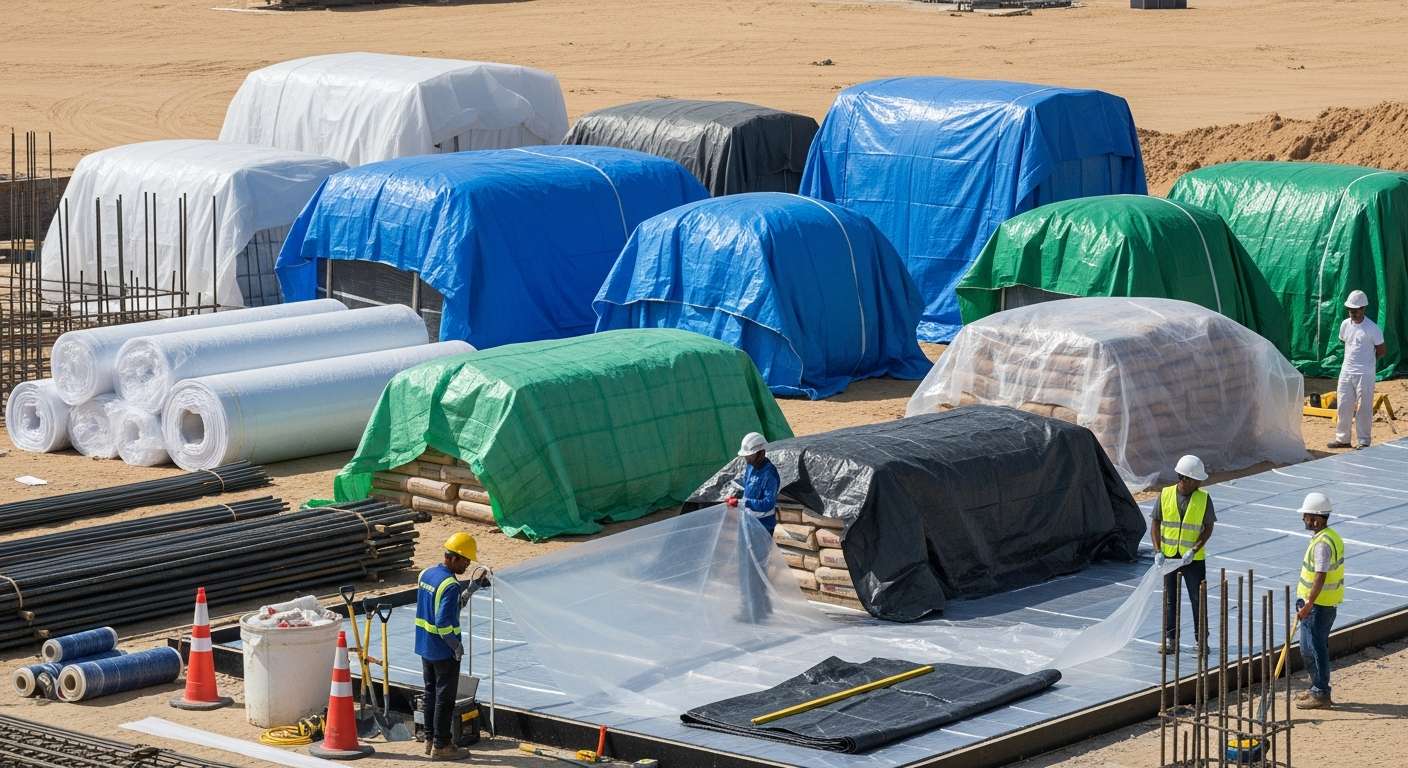
For high-specification structural work, most UAE site engineers use both: hessian laid directly on the concrete surface (first contact layer), then a layer of drop cloths or polythene sheeting over the top to reduce evaporation loss. This combination can extend effective curing duration without the labour cost of constant re-wetting.
Application Guide — How to Cure Concrete with Hessian
Installation Best Practices — Overlap, Sealing & Fastening
- Timing: Apply hessian as soon as the concrete surface can bear light foot traffic without imprinting — typically 4–8 hours after pour in UAE summer heat, when the bleed water sheen has disappeared.
- Pre-wet the hessian: Soak the rolls in clean water before laying. Dry hessian applied to fresh concrete will absorb moisture FROM the slab surface, causing the exact damage you're trying to prevent.
- Overlap joints by minimum 150 mm: Avoid exposed gaps — any dry gap becomes a desiccation crack risk on a hot day.
- Secure edges: Use timber battens, sandbags, or metal pins to hold edges flat. In the UAE, Shamal winds and construction-zone air movement can lift unsecured membranes within minutes.
- Re-wet schedule: In summer (May–September), wet the hessian every 1.5–2 hours during daylight. In cooler months (November–February), every 4–6 hours is sufficient. Use a hose or watering can — avoid high-pressure jets that can disturb the fabric.
- Duration: Maintain curing for a minimum of 7 days for OPC mixes, and 10–14 days for blended or sulphate-resistant cement mixes used in aggressive ground conditions common across UAE coastal and sabkha sites [BS EN 13670:2009 — Execution of Concrete Structures].
- Removal: Peel back carefully and check for any bonded areas. Rinse, dry in shade (not direct sun to prevent UV degradation of jute fibre), and store rolled for reuse.
Other Construction Uses — Beyond Concrete Curing
Erosion Control & Slope Stabilisation
On landscaped embankments, drainage swales, and road cuttings across UAE infrastructure projects, hessian matting is pinned to bare soil to prevent surface wash-out during rare but intense rainfall events. The open weave allows seeds to germinate through the fabric — it degrades into the soil within 12–18 months, feeding organic matter back as it breaks down. This makes it preferable to synthetic geotextile in applications where long-term biodegradation is acceptable.
For more demanding erosion control — where load-bearing or long-term stability is required — hessian is typically combined with or replaced by construction-grade membranes and building materials rated for permanent installation.
Landscaping & Horticulture
UAE landscaping contractors use hessian extensively for:
- Root ball wrapping: Balled-and-burlapped trees from nurseries in Sharjah and Al Ain arrive with root systems wrapped in hessian, which can be planted directly — the fabric decomposes without removing the wrap.
- Trunk protection: Newly transplanted date palms and ornamental trees are wrapped in hessian to reduce transpiration stress and protect against abrasion from machinery on active sites.
- Mulch matting: Laid around plant bases in landscaped medians and villa gardens to reduce soil moisture evaporation — critical in UAE where irrigation costs are a real project running cost.
Site Protection & Dust Suppression
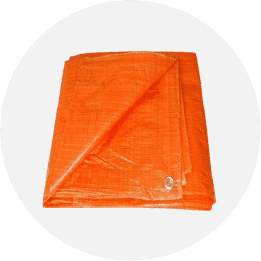
Hessian hung on scaffolding frames around demolition or cutting work provides a low-cost dust curtain that is breathable enough not to create wind-load issues on temporary structures. For heavy dust-generating work (core drilling, angle grinding, concrete breaking), it is typically backed with a layer from the tarpaulin range for full containment.
UV & Degradation — Storage & Handling on UAE Sites
Jute fibre degrades under prolonged UV exposure — extended direct sun contact (beyond 3–4 weeks) will reduce tensile strength significantly. On UAE summer sites, store hessian rolls under shade or inside site cabins. Do not leave rolled stock on open ground for extended periods — ground moisture combined with heat creates conditions for mould growth on natural fibre. Stack on timber pallets with airflow underneath.
Regulatory Compliance — UAE Standards for Building Membranes
Hessian cloth does not carry a specific UAE product certification requirement, but its use in concrete curing must comply with the project specification, which on public-sector and developer-led projects in Dubai typically references BS EN 13670:2009 (Execution of Concrete Structures) or ACI 308R for curing duration and method. Where hessian is specified as part of a waterproofing or damp-proofing system, the overall system must comply with applicable Dubai Municipality and Abu Dhabi Municipality building codes.
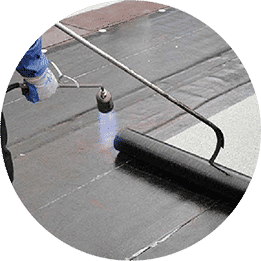
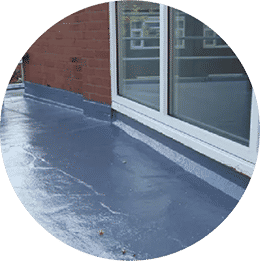
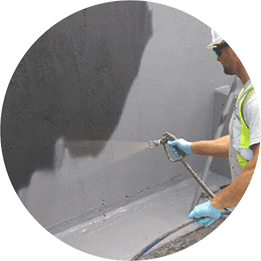
For projects requiring certified waterproofing membranes beneath or alongside hessian layers, refer to guidance published by the Dubai Municipality — Building and Construction Regulations. Products in the waterproofing category that carry verified UAE compliance are also available through FEPY.
For concrete curing requirements on structural elements, consult the BSI Group — BS EN 13670:2009 Execution of Concrete Structures standard, which defines minimum curing periods and methods for different exposure classes.
Brand Quality Comparison — Hessian Suppliers in UAE
Hessian is a commodity product sourced primarily from South Asia. The brands and suppliers you'll encounter in the UAE market include:
| Supplier / Brand | Origin | Key Features | Typical UAE Application |
|---|---|---|---|
| Local UAE traders (Al Quoz, Mussafah) | Bangladesh/India | 220–400 gsm, standard grades, cut to length | Concrete curing, landscaping, general site use |
| Geofabrics / Agrotextile importers | India, Pakistan | Heavy erosion-control rolls, 1 m–2 m wide | Slope stabilisation, road cuttings, drainage works |
| International suppliers (global) | Bangladesh | BS-certified jute matting for civil engineering | Infrastructure, municipal landscaping contracts |
Unlike manufactured building products, hessian does not carry brand-specific UAE certifications — quality is determined by gsm weight, weave tightness, and freedom from contaminants. When ordering, always specify the gsm and roll width to your supplier to ensure you receive the right grade for the application.
For associated curing and waterproofing systems, FEPY carries products from Henkel Polybit and Dermabit, both of which supply UAE-compliant membrane and waterproofing solutions frequently used alongside hessian in structural works.
Where to Buy Hessian Cloth in UAE
Hessian cloth is stocked by building materials traders in Al Quoz (Dubai), Mussafah (Abu Dhabi), and industrial zones in Sharjah and Ajman. Rolls are typically sold per metre or as full rolls of 50–100 metres. Pricing in 2026 ranges from AED 3–8 per linear metre for standard 90 cm wide grades, with heavier erosion-control grades reaching AED 10–15 per metre.
For online procurement with site delivery across UAE, browse the following categories on FEPY:
- Polythene Sheet — UAE construction grades
- Tarpaulin — reinforced and UV-resistant options
- Drop Cloths & Sheets — site protection membranes
- Cement & Concrete — curing compounds and materials
- Construction Chemicals — curing agents and admixtures
FAQ — Hessian Cloth UAE
How long should I cure concrete with hessian in UAE?
For ordinary Portland cement (OPC) mixes, maintain wet hessian curing for a minimum of 7 days [ACI 308R-16]. For sulphate-resistant cement (SRC) or blended cement mixes — common on UAE sabkha and coastal sites — extend to 10–14 days [BS EN 13670:2009]. In UAE summer conditions, this means re-wetting every 1.5–2 hours during daylight to prevent the hessian from drying out.
Is hessian or polythene better for curing concrete?
Both are valid; the choice depends on the pour type. Hessian is preferred for exposed structural concrete where controlled breathability is important — it reduces the risk of thermal cracking from sealed surface temperature spikes. Polythene is better for large flat pours (ground slabs, road bases) where re-wetting labour is not practical. The best system on UAE projects is hessian as the contact layer, covered with polythene to lock in moisture and reduce re-wetting frequency.
What gsm hessian should I specify for concrete curing?
For standard slab and column curing on UAE construction sites, a 280–320 gsm grade is the industry norm. Lighter grades (220 gsm) dry out faster in UAE heat and require more frequent re-wetting. Heavy grades (350–400 gsm) hold water longer and are worth the extra cost on critical structural elements or in peak summer (June–August) when ambient temperatures exceed 45°C.
Can hessian be used for erosion control on UAE landscaping projects?
Yes — hessian matting pinned to bare embankments and drainage swales is a standard erosion control method on UAE infrastructure and landscaping projects. It allows seeding through the open weave, decomposes into the soil within 12–18 months, and performs well during the rare but intense rainfall events that can cause rapid wash-out on sandy or silty UAE soils. For long-term or load-bearing erosion control, synthetic geotextile is more appropriate.
Where can I buy hessian cloth in Dubai or Abu Dhabi?
Hessian is available from building materials traders in Al Quoz (Dubai) and Mussafah (Abu Dhabi), typically sold by the metre or full roll. Prices in 2026 range from AED 3–15 per linear metre depending on gsm and width. For site delivery across UAE without visiting a physical store, FEPY offers a range of site protection membranes and construction materials online with direct delivery to your site.