






By Khalid Al Mansoori, Senior Procurement Specialist — 12+ years in UAE construction supply chain | Published: April 2026
Sourcing damp proof membranes and builder's polythene for villa slab pours across Jumeirah and Mirdif over the past decade has taught me one non-negotiable truth: a 125-micron poly sheet that works fine as a dust cover on a fit-out floor will fail catastrophically as a DPM under a concrete slab in Al Ain's high-groundwater zones. Thickness, grade, and application match are everything — and getting it wrong means moisture ingress, remediation costs, and project delays that no schedule in the UAE can absorb.
This guide covers every practical dimension of polythene sheet selection for the UAE market: sizes, thicknesses, grades, DPM compliance, and real application contexts from ground-floor slabs to MEP duct protection.
What is Polythene Sheet vs. Tarpaulin — Key Differences
Polythene Sheet: Definition, Material Composition & Common Grades
Polythene sheet — also called polyethylene (PE) sheeting — is manufactured from Low-Density Polyethylene (LDPE), High-Density Polyethylene (HDPE), or Linear Low-Density Polyethylene (LLDPE) resins, extruded into flat or tubular film. The result is a homogeneous, non-woven membrane with a consistent thickness measured in microns (µm). It carries no fabric reinforcement unless specifically specified. Its primary properties are impermeability to liquid water and water vapour, chemical inertness, and flexibility across a wide temperature range.
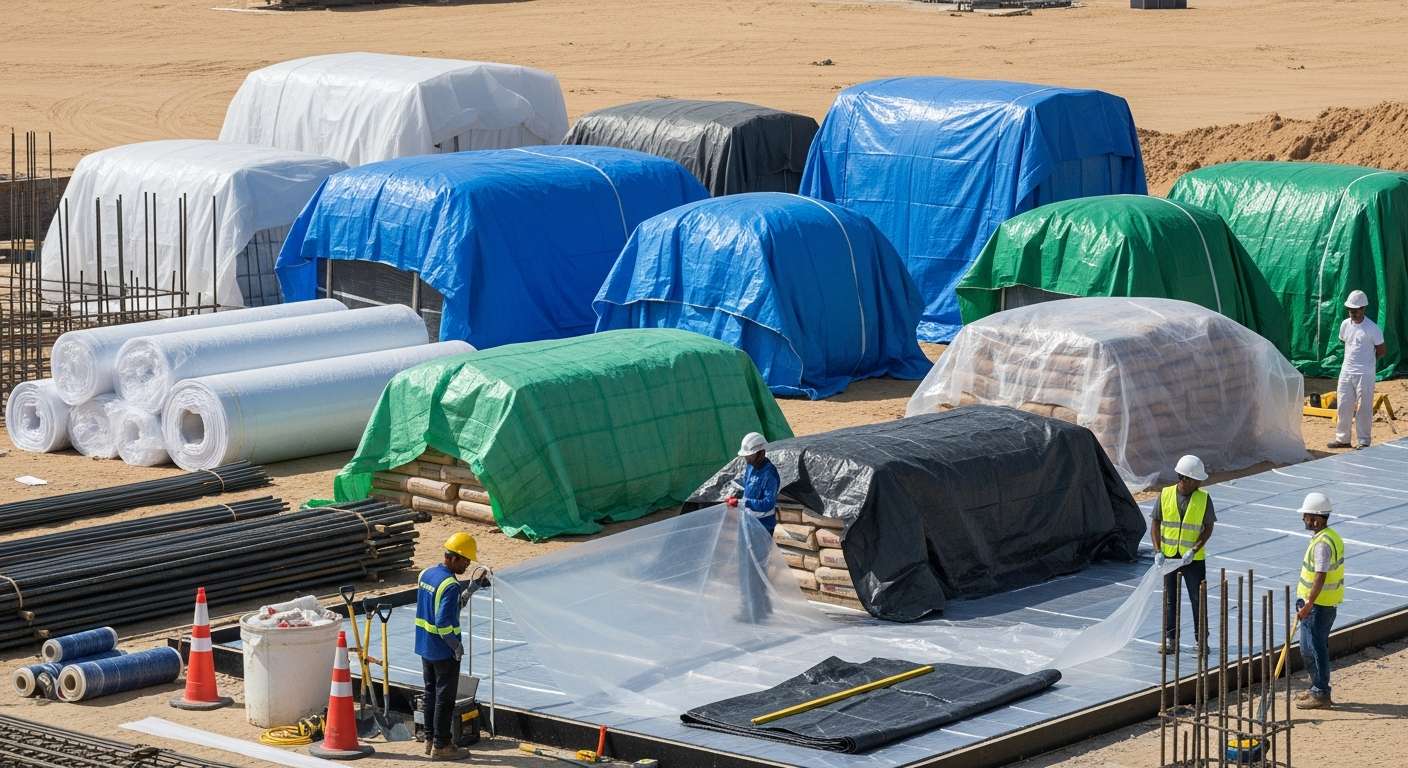
In UAE construction, polythene sheet performs three core roles: moisture barrier (DPM), concrete curing blanket, and site protection membrane. Polythene sheets for construction are stocked in both roll and sheet form, with rolls being the dominant format on UAE sites.
Tarpaulin: Woven, Coated & Reinforced Variants Explained
Tarpaulin is fundamentally a fabric-based product: woven polypropylene (PP) or polyethylene yarns laminated or coated with PE film on one or both faces. The woven scrim gives tarpaulin its tear resistance and load-bearing capability — properties polythene film alone cannot match. On UAE sites, tarpaulins cover material stockpiles, scaffold facades, and temporary weather enclosures. For long-term outdoor exposure under 45°C+ summer temperatures and wind-driven Gulf dust, a heavy-duty reinforced tarpaulin outlasts plain polythene film by a significant margin.
Key distinction in practice: If you need a membrane laid flat under concrete or behind a wall cavity — use polythene sheet. If you need to cover, drape, or secure over a three-dimensional structure — use tarpaulin.
Polythene Sheet Types & Grades — Which One For Your Project
Micron vs. Gauge — Understanding Thickness Standards
UAE suppliers quote polythene thickness in microns (µm). The older "gauge" system (1 gauge = 0.1 µm) is rarely used locally but you may encounter it on imported rolls from South Asia. The conversion is straightforward: 500 gauge = 125 micron. Always verify thickness with a micrometer on delivery — rolled polythene can vary ±10% from nominal in lower-grade product.
Clear vs. Black Polythene — When to Use Each
Clear/transparent polythene transmits UV light and allows visual inspection of what lies beneath — useful for concrete curing, where superintendents need to monitor surface moisture visually, and for temporary greenhouse-style enclosures. Black polythene contains carbon black additives that block UV transmission and inhibit algae growth, making it the standard choice for DPM applications where long-term ground contact is expected. Black also absorbs radiant heat, which in the UAE summer context actually accelerates concrete curing when used as a curing membrane — a technique used on flat roof pours.
Heavy-Duty Polythene: 150, 200, 250 Micron Ratings
The UAE market broadly segments polythene sheet by intended duty:
- Light duty (up to 125 µm): Dust sheets, temporary packaging, short-term protection of finished surfaces during fit-out.
- Standard duty (150–200 µm): Concrete curing membranes, temporary site enclosures, MEP duct dust covers, window and door protection during plastering.
- Heavy duty (250–500 µm): DPM under slabs, crawl space moisture barriers, below-grade wall membranes, water tank lining backup.
- Industrial/specialised (500–1000 µm): Pond liners, landfill cell liners, permanent basement waterproofing membranes, gas barrier applications.
Thickness, Micron & Durability — How to Choose the Right Membrane
Polythene Sheet Size & Thickness Chart
The table below reflects widths and thicknesses commonly available from UAE suppliers and used across residential villa, commercial tower, and infrastructure projects.
| Thickness (Micron) | Equivalent Gauge | Common Widths (m) | Roll Length (m) | Typical Application | UAE Site Use |
|---|---|---|---|---|---|
| 125 µm | 500G | 2m, 4m | 50–100m | Light protection, dust covers | Fit-out floor protection, temporary dust barriers |
| 150 µm | 600G | 2m, 3m, 4m | 50–100m | Concrete curing, MEP duct cover | Slab curing on villas, duct protection during finishing |
| 200 µm | 800G | 2m, 3m, 4m, 6m | 25–50m | DPM, moisture barrier, temporary enclosure | Ground floor DPM on residential villas, scaffold enclosure |
| 250 µm | 1000G | 2m, 3m, 4m, 6m | 25–50m | Heavy-duty DPM, below-slab membrane | High-groundwater zones (Abu Dhabi coast, Sharjah industrial) |
| 300 µm | 1200G | 3m, 4m, 6m | 25m | Basement tanking layer, crawl space | Basement carparks, sub-grade utility rooms |
| 500 µm | 2000G | 4m, 6m | 10–25m | Pond/tank liner backup, secondary waterproofing | Rooftop planters, irrigation reservoir lining |
| 750 µm | 3000G | 4m, 6m | 10m | Geomembrane liner, gas barrier | Infrastructure, landfill cap, district cooling trenches |
| 1000 µm (1mm) | 4000G | 4m, 6m | 5–10m | Heavy geomembrane, permanent liner | Civil infrastructure, utility corridor lining |
Note: Roll dimensions vary by manufacturer. Always confirm exact width and roll length with your supplier before ordering to calculate coverage accurately.
UV & Flame Resistance — Compliance for UAE Climate & Standards
Heat & Humidity Durability — Polythene Performance in UAE Summer
Standard LDPE polythene without UV stabilisation degrades rapidly under direct Gulf sunlight — embrittlement and cracking can begin within 2–4 weeks of unshielded outdoor exposure at 45–50°C ambient temperatures. For any application where polythene remains exposed during the construction phase (temporary roof protection, scaffold sheeting, stockpile covers), specify UV-stabilised grade polythene, which incorporates HALS (Hindered Amine Light Stabilisers) to extend outdoor service life to 12–24 months depending on formulation.
For indoor applications — DPM under slabs, concrete curing, MEP protection — UV stabilisation is not required, and standard black or clear LDPE/HDPE performs reliably.
Regulatory Compliance — UAE Standards for Building Membranes
For DPM applications in UAE building projects, the relevant technical benchmark is BS 6515:1984 (Specification for polyethylene damp-proof courses for masonry) and BS EN 13967 (Flexible sheets for waterproofing — Plastic and rubber damp proof sheets including plastic and rubber basement tanking sheet), both of which specify minimum thickness and physical properties. UAE projects tendered to international standards typically reference these BS/EN designations in their specification packages. For ESMA-registered product compliance, consult the Emirates Authority for Standardisation and Metrology (ESMA) technical standards database.
Dubai Municipality Green Building regulations (Al Sa'fat system) require effective moisture barriers on all ground-bearing slabs — the 200 µm black polythene DPM is the minimum accepted in most residential villa specifications reviewed under this framework [Dubai Municipality, Al Sa'fat Technical Manual].
Damp Proof Membrane Sizing & Coverage Calculation
Damp Proof Membrane vs. Vapor Barrier — Technical Distinction
These two terms are often used interchangeably on UAE sites, but they are technically distinct. A damp proof membrane (DPM) resists liquid water migration from ground contact. A vapour barrier resists water vapour diffusion — measured by water vapour transmission rate (WVTR) in g/m²/day [ISO 15106]. In UAE conditions, where ground salinity is high and water tables are shallow near coastal zones, a proper DPM must address both liquid water and vapour pressure. A 250 µm HDPE sheet performs both functions when correctly lapped and sealed. For more comprehensive below-slab protection, some engineers specify a full waterproofing system incorporating both polythene sheet and a cementitious or bituminous membrane layer.
Calculating Coverage: How Much Polythene for Your Project
Basic coverage calculation:
- Measure the floor area (length × width in metres)
- Add 150mm (minimum) lap at all joints and 300mm upturn at all walls
- For a 6m wide roll on a 10m × 15m slab: two widths of 6m cover 12m; 10m length = 10 linear metres per sheet, plus laps. Order 10% overage minimum for site wastage and cuts.
For complex floor plans with columns, service penetrations, and re-entrant corners, increase wastage allowance to 15–20%.
Application Guide — Site Protection, Concrete Curing, MEP Shielding
Installation Best Practices — Overlap, Sealing & Fastening
On UAE sites, the following installation standards apply for DPM polythene sheets under ground-bearing slabs:
- Sub-base preparation: Blind concrete or compacted hardcore must be free of sharp aggregate that can puncture the membrane. A 50mm sand blinding layer is preferred where budget allows.
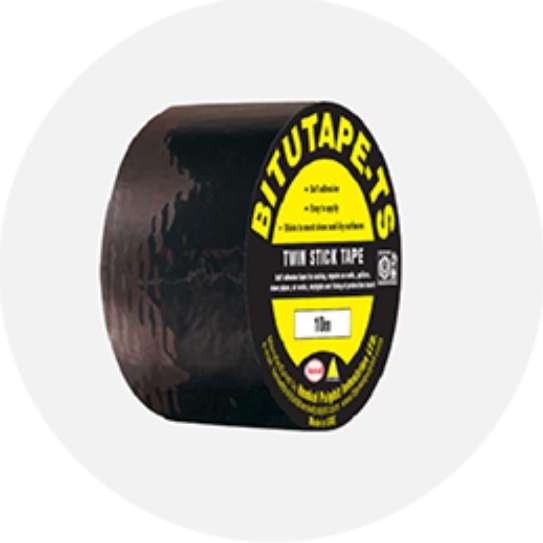
- Lap joints: Minimum 150mm overlap at all sheet joints; tape with a compatible self-adhesive jointing tape (butyl or PE-backed). Do not rely on un-taped laps — capillary action will draw moisture through.
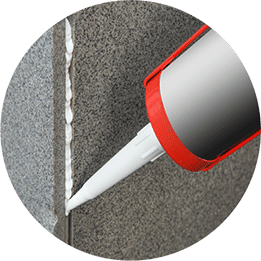
- Wall upstands: Turn the membrane up the inner face of perimeter walls by minimum 150mm above finished floor level and fix with mastic or compatible adhesive.
- Penetration sealing: Pipe and cable penetrations must be sealed with proprietary collars or hand-formed PE tape — a common point of failure on UAE villa projects.
- Concrete pour protection: During and immediately after the pour, polythene should remain intact. Avoid dragging rebar across the membrane. Use temporary timber walkways where operatives must cross the laid DPM.
For concrete curing applications, lay the sheet immediately after initial set (typically 2–4 hours after pour in UAE summer conditions) and weight the edges to prevent wind displacement — a very real risk on open high-rise decks in coastal areas.
Polythene Sheet for MEP Duct & Equipment Protection
MEP teams on UAE fit-out projects use 150–200 µm clear polythene to protect installed ductwork, fan coil units, and electrical panels during subsequent plastering and painting trades. Transparent sheet allows visual confirmation that equipment is present and undamaged without unwrapping. For longer-duration protection (2–3 months or more), specify UV-stabilised sheet even in indoor applications — artificial lighting and heat buildup in enclosed spaces can degrade standard LDPE over time.
Polythene for Temporary Site Enclosure & Dust Barriers
On high-rise fit-out floors in Dubai Marina or Business Bay towers, polythene sheet stretched across open doorways and stairwells forms dust barriers that contain fine construction dust between zones. This is a requirement under Dubai Municipality site hygiene regulations for occupied buildings undergoing renovation. Use minimum 200 µm for these applications — lighter grades tear at fixing points. Double-sided adhesive tape and timber batten clamping are the two standard fixing methods. Drop cloths and protective sheets complement polythene in this application context.
Brand Quality Comparison — Local & International Suppliers in UAE
The UAE polythene sheet and construction membrane market includes both locally manufactured and imported product. Below is a representative overview of major brands active in the UAE market as of 2026:
| Brand | Origin | Product Focus | UAE Availability |
|---|---|---|---|
| Dubai Polymer | UAE (Dubai) | LDPE/HDPE polythene sheet rolls, DPM grade, black and clear | Widely available; common on villa and mid-rise projects |
| Polytech | UAE | Construction polythene rolls, multi-grade | Available through building material distributors |
| Henkel Polybit | UAE (Sharjah) | Waterproofing systems, bituminous membranes, polythene-backed DPM products | Widely available; strong in waterproofing specification |
| Awazel | UAE | Bituminous membranes, protection membranes, composite DPM systems | Widely specified on commercial and infrastructure projects |
| Dermabit | UAE | Waterproofing and protection membranes for below-slab and roof applications | Available through specialist waterproofing distributors |
| Sabic (HDPE resin-based products) | Saudi Arabia | HDPE raw material; fabricated locally into sheet and liner products | Underpins much of the UAE-manufactured polythene supply |
| Trioplast | Sweden | High-spec UV-stabilised agricultural and construction polythene | Imported; available through specialist distributors |
| Visqueen (RPC Group) | UK | DPM grade polythene to BS EN 13967; radon/gas barrier variants | Imported; used on UK-specification projects in UAE |
Where to Buy Polythene Sheets & Tarpaulins in UAE
For procurement teams and site buyers, sourcing polythene sheet and related membranes through a single verified platform saves time and reduces the risk of receiving off-spec product. FEPY stocks a curated range suitable for the UAE construction market, from standard builder's poly rolls through to DPM-grade HDPE sheet.
Browse the full range of products by category:
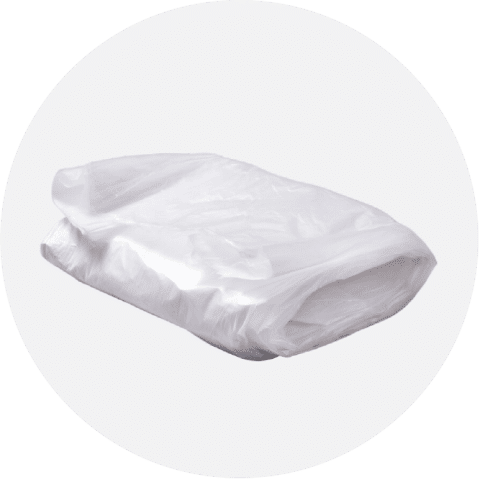
- Polythene sheet rolls and DPM membranes — standard and heavy-duty grades
- Tarpaulin — reinforced and UV-treated options for site covering and scaffold enclosure
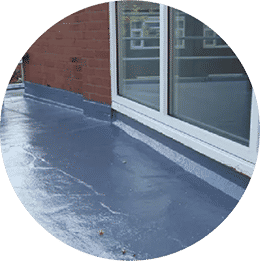
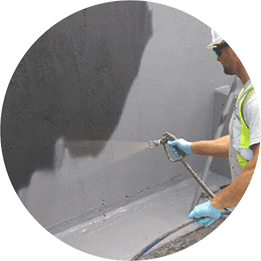
- Complete waterproofing systems for below-slab and rooftop applications
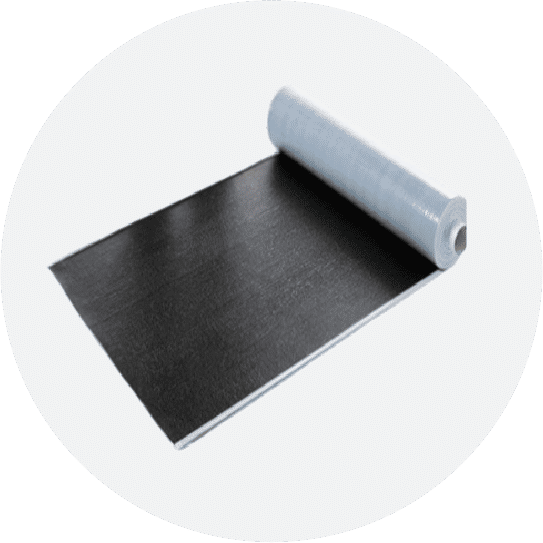
- Bituminous membranes for torch-applied and self-adhesive waterproofing
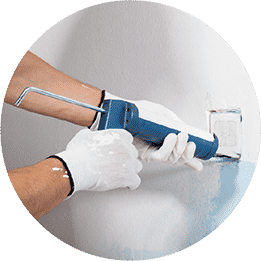
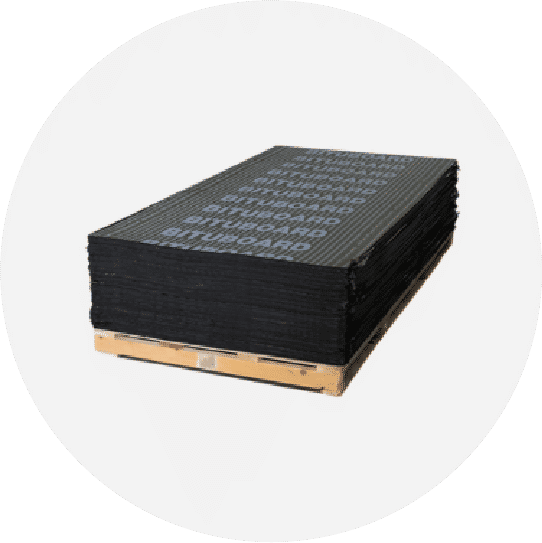
- Protection membranes for finished surfaces and structural elements
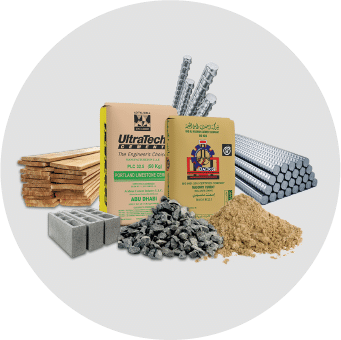
- General building materials to support full project procurement
- Construction chemicals including bonding agents and concrete admixtures
FAQ — Polythene Sheet & Tarpaulin Selection
What thickness polythene sheet is required for a concrete DPM in the UAE?
The minimum accepted thickness for a damp proof membrane under a ground-bearing concrete slab in UAE residential and commercial projects is 200 microns (800 gauge). In areas with high groundwater tables or elevated soil salinity — common in coastal Abu Dhabi, Sharjah industrial zones, and reclaimed land in Dubai — structural engineers typically specify 250 microns or above, and may require a HDPE grade rather than standard LDPE. Always check the project specification and, where applicable, confirm compliance with BS EN 13967 requirements referenced in the tender documents.
What is the difference between LDPE and HDPE polythene sheet for construction?
LDPE (Low-Density Polyethylene) is flexible, easy to handle, and suitable for DPM, curing, and temporary protection work. HDPE (High-Density Polyethylene) is stiffer, stronger, and has a lower water vapour transmission rate — making it superior for permanent below-grade moisture barriers, geomembranes, and applications where puncture resistance is critical. For most UAE villa DPM applications, quality LDPE at 200–250 µm is sufficient. For basement tanking or infrastructure liner applications, HDPE is the correct specification.
How do I calculate how many rolls of polythene sheet I need for a project?
Calculate the total floor or coverage area (m²), then divide by the effective width of your chosen roll after accounting for a minimum 150mm lap at each sheet joint. Add 10–15% for wastage, cuts, and upstands. For example: a 200m² slab using 4m-wide rolls (effective coverage 3.85m per pass after lap) needs approximately 52 linear metres of roll — order two 25m rolls with margin. Always confirm roll width and length with your supplier at point of order.
Can I use polythene sheet instead of tarpaulin for outdoor storage in the UAE?
For short-term outdoor storage (under 2 weeks), standard polythene sheet can be used, but it must be UV-stabilised grade — standard LDPE will degrade and tear within days under direct UAE summer sun. For storage extending beyond 2 weeks, or in exposed coastal locations subject to wind, a woven PE or reinforced tarpaulin is significantly more durable and cost-effective over the full protection period. Tarpaulin's woven scrim prevents catastrophic tear propagation, a failure mode common with plain polythene sheet in windy conditions.
What polythene sheet sizes are available from UAE suppliers?
UAE suppliers typically stock polythene sheet rolls in widths of 1m, 2m, 3m, 4m, and 6m, with thicknesses ranging from 125 microns to 1000 microns (1mm). Roll lengths vary by thickness: lighter gauges are available in 50–100m rolls; heavier HDPE membranes at 500µm and above typically come in 10–25m rolls due to weight. Custom widths and thicknesses can be ordered from local manufacturers like Dubai Polymer and Polytech for large-volume project requirements.