









By Khalid Al Mansoori, Senior Procurement Specialist | Published: April 2026
Having specified and sourced plastic piping systems for villa developments in Al Ain, high-rise MEP packages in Dubai Marina, and large-scale irrigation networks across Abu Dhabi's suburban developments, I can tell you that the single most common procurement mistake I see on UAE sites is treating PVC, UPVC, and CPVC as interchangeable. They are not — and specifying the wrong material in 47°C summer heat, or under 10 bar supply pressure, is a guarantee of callback costs and potential project delays. This guide cuts through the confusion and gives you the information you need to specify, procure, and install the right pipe for every application on a UAE construction or fit-out project.
What Are PVC, UPVC, and CPVC Pipes — and Why the Difference Matters on UAE Sites
PVC (Polyvinyl Chloride) — General Purpose and Drainage
Standard PVC contains plasticisers — additives that make the material more flexible and easier to process. This also makes it softer and less suitable for sustained pressure applications. On UAE sites, conventional PVC is used primarily for drainage, waste, and vent (DWV) systems — the non-pressure pipework that carries grey water and sewage to the stack or sewer connection. It is cost-effective, lightweight, and easy to cut and joint, which is why it dominates drainage installations in everything from villa bathrooms to hotel fit-outs across the Emirates.
UPVC (Unplasticised PVC) — Pressure and Water Supply
UPVC has no plasticisers added, which produces a harder, stiffer material with significantly higher tensile strength and pressure resistance. This makes it the standard choice for cold water supply, irrigation, and pressure distribution systems in UAE construction. UPVC pipe is rated in Pressure Nominal (PN) classes — PN6, PN10, PN16, and PN25 — and carries those ratings reliably at ambient temperatures. The stiffness also means it retains dimensional accuracy under the external loads typical of buried or ducted installations in UAE infrastructure projects.
CPVC (Chlorinated PVC) — Hot Water and Higher Temperature Applications
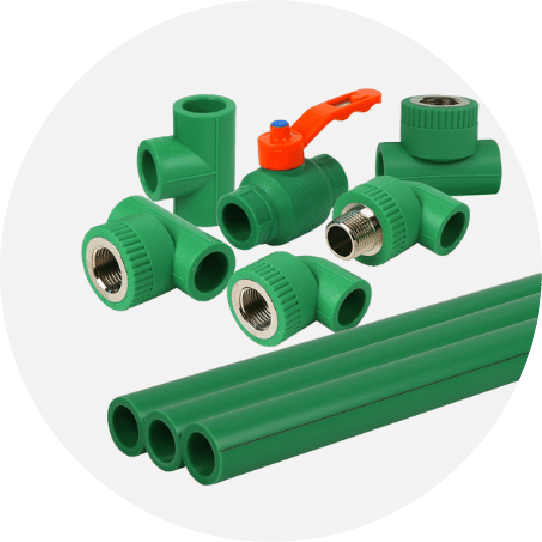
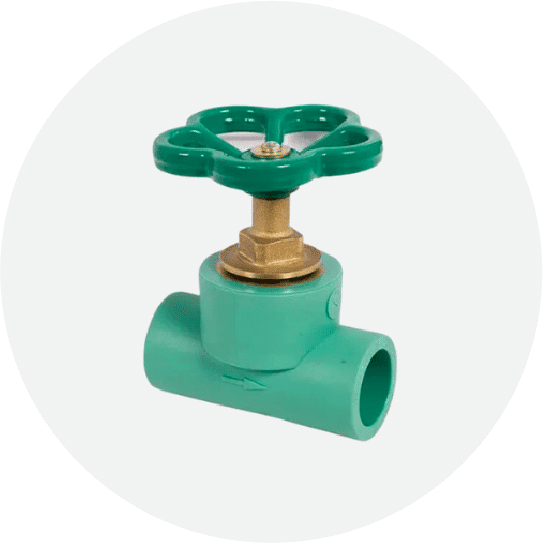
CPVC undergoes an additional chlorination process that raises its maximum continuous service temperature from approximately 60°C (UPVC) to around 93°C [ASTM D1785 / ASTM F441]. This makes CPVC the correct plastic pipe choice for domestic hot water supply lines in UAE villas and apartment towers where water heater outlet temperatures regularly reach 55–65°C. It is also the specified material in many UAE hotel and serviced apartment projects where hot water recirculation loops must maintain 60°C to comply with Legionella prevention requirements. CPVC is typically cream or off-white in colour and priced noticeably higher than UPVC of the same diameter. For hot water systems, PPR pipes and fittings are also widely used on UAE sites alongside CPVC, particularly for concealed installations.
PVC and UPVC Pipe Types Used in UAE Construction
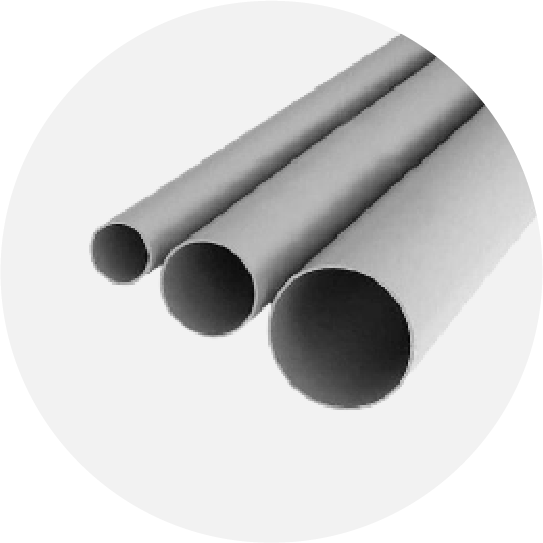
Beyond the material chemistry, pipes are also categorised by their application type:
- Pressure pipe (UPVC/CPVC): Rated for internal pressure. Used for cold and hot water supply, irrigation mains, and chilled water secondary distribution.
- Drainage pipe (PVC): Non-pressure. Used for soil, waste, and rainwater drainage. Joins with solvent cement or push-fit rubber ring.
- Conduit pipe (UPVC/PVC): Used for electrical cable protection in MEP installations. Typically grey or orange. Must be flame-retardant grade [IEC 61386].
- Casing pipe: Used to sleeve structural penetrations or protect buried services. Larger diameters, typically SDR-rated.
Colour Coding by Application — UAE Practice
| Colour | Material | Typical Application on UAE Sites |
|---|---|---|
| White | UPVC | Cold water supply (above ground) |
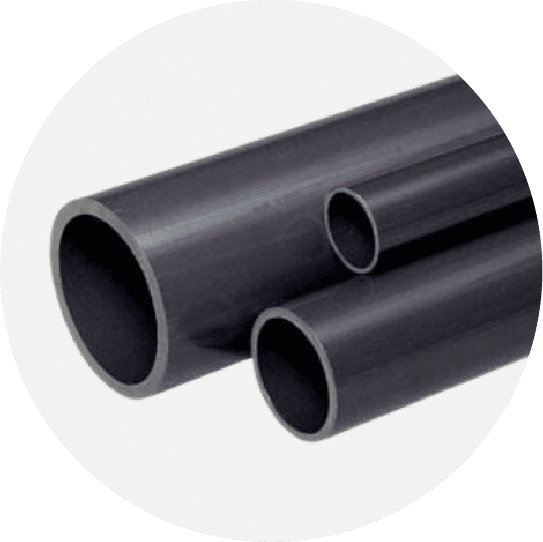
| Dark grey / Charcoal | PVC / UPVC | Drainage, soil and waste stacks |
| Cream / Off-white | CPVC | Hot water supply lines |
| Grey | UPVC conduit | MEP electrical conduit (concealed) |
| Orange | UPVC conduit | MEP electrical conduit (surface/exposed) |
| Blue (stripe or solid) | UPVC | Potable water mains (buried) |
| Green / Purple | UPVC | Irrigation and recycled water (DEWA / AD guidelines) |
Note: Colour coding conventions may vary by municipality and project specification. Always check the project's piping and instrumentation diagram (P&ID) and the authority's approval drawings.
Standard Pipe Sizes and Pressure Ratings for UAE Projects
Nominal Pipe Sizes: DN20 to DN630 and What Each Is Used For
| Size (DN / inches) | OD (mm) | Typical UAE Application |
|---|---|---|
| DN15 / ½" | 21.3 | Tap tails, basin and toilet supply branches |
| DN20 / ¾" | 26.7 | Shower risers, kitchen supply, single fixture branches |
| DN25 / 1" | 33.4 | Villa cold water main supply entry, small irrigation zones |
| DN32 / 1¼" | 42.2 | Apartment floor distribution, riser sub-mains |
| DN40 / 1½" | 48.3 | Waste pipes from baths and kitchen sinks |
| DN50 / 2" | 60.3 | Drainage branch mains, ground-floor waste stacks |
| DN75 / 3" | 88.9 | Soil stacks (low-rise villa and G+4 buildings) |
| DN100 / 4" | 114.3 | Main soil and waste stacks (high-rise towers, commercial) |
| DN150 / 6" | 168.3 | Building drain to sewer, large drainage mains |
| DN200 and above | 219+ | Infrastructure mains, irrigation distribution, industrial drainage |
Pressure Classes: PN6, PN10, PN16, and PN25 Explained
Pressure Nominal (PN) ratings define the maximum working pressure in bar at 20°C water temperature [EN 1452 / ISO 1452]:
- PN6 (6 bar): Low-pressure irrigation mains, gravity-fed distribution.
- PN10 (10 bar): Standard cold water supply in UAE villa and low-rise residential — the most common grade on site.
- PN16 (16 bar): High-rise tower cold water supply, booster pump outlets, areas with high municipal supply pressure.
- PN25 (25 bar): Industrial and high-pressure applications; less common in standard building services.
Critical UAE note: DEWA and AADC network supply pressures can exceed 6 bar in some zones. Always verify site supply pressure before specifying PN6 pipe — under-specification is a failure risk.
Wall Thickness and Schedule Ratings: Schedule 40 vs Schedule 80
ASTM-referenced projects (common on US-standard fit-outs and some industrial facilities) use Schedule ratings rather than PN classes [ASTM D1785]:
- Schedule 40: Standard wall thickness. Suitable for most cold water and drainage applications. Pressure rating at 23°C for 2" pipe ≈ 13.8 bar.
- Schedule 80: Thicker wall, higher pressure rating. Used where mechanical protection or higher pressure is required. Typically grey in colour to distinguish from white Sch 40.
Most UAE residential and commercial projects reference EN/BS/ISO standards rather than ASTM, but industrial, oil & gas, and some free-zone projects specify ASTM — always read the project specification before ordering.
Material Performance in UAE Conditions: Heat, UV, Dust, and Coastal Humidity
UV Degradation Risk in UAE Outdoor Installations
Standard UPVC and PVC degrade under prolonged UV exposure — the UAE's solar radiation index peaks among the highest globally, and unprotected pipe exposed on a rooftop or plant room wall will begin to discolour and embrittle within 12–18 months [BS EN ISO 9427]. For exposed outdoor runs, specify UV-stabilised grade pipe or apply a protective coating/lagging. Alternatively, route in conduit or GI duct. Never leave standard UPVC water supply pipe directly sunlit on UAE rooftops for more than a short construction period.
Thermal Expansion in 45–50°C Summer Conditions
UPVC has a linear thermal expansion coefficient of approximately 0.06 mm/m·°C [ISO 4422]. A 6-metre length of pipe exposed to a temperature swing of 40°C (e.g., 15°C overnight to 55°C roof surface daytime) will expand approximately 14 mm. On long unrestrained runs in plant rooms or exposed risers, this is enough to displace push-fit joints or crack solvent cement joints if expansion offsets or anchor points are not designed in. This is a detail frequently missed on fast-track fit-out projects and one of the most common causes of joint failures I see during summer inspections.
Salt Air and Coastal Corrosion Resistance
One of the strongest arguments for UPVC over metallic pipe in UAE coastal locations — Dubai Marina, JBR, Abu Dhabi Corniche, Fujairah beachfront developments — is its complete immunity to salt-air corrosion. GI and carbon steel pipe requires coating, cathodic protection, or epoxy lining in these environments. UPVC requires none of these treatments, making whole-life cost significantly lower in coastal applications where metallic pipe maintenance is labour-intensive and disruptive.
Applicable Standards and Regulatory Compliance in the UAE
UAE building projects reference a mix of British, European, ISO, and ASTM standards. The following are the primary references for plastic pipe systems:
- EN 1452 / ISO 1452: UPVC pipes and fittings for water supply and general pressure applications — the primary standard for PN-rated UPVC on UAE projects.
- BS EN 1329 / EN 1401: PVC-U pipes for soil, waste, and rainwater drainage.
- ASTM D1785 / F441: PVC and CPVC schedule pipe — referenced on ASTM-specified projects.
- IEC 61386: Conduit systems for cable management — applies to UPVC/PVC electrical conduit installations.
For approvals and compliance, Dubai Municipality requires that pipe materials used in building water supply and drainage systems meet verified standards and, where applicable, carry ESMA (Emirates Authority for Standardisation and Metrology) conformity marks. Check the ESMA official portal for the current list of approved product categories and conformity requirements before finalising your pipe procurement for a permitted project.
For projects in Dubai specifically, the Dubai Municipality technical regulations set out drainage system design requirements, pipe gradient standards, and access provisions that directly affect which pipe sizes and types are acceptable in different parts of a building drainage system.
How to Select the Right Pipe for Your Application
Cold Water Supply Systems in Villas and High-Rise Towers
For cold water supply in UAE villas, PN10 UPVC pipe from DN25 (main entry) stepping down to DN15–DN20 at fixture branches is the standard. High-rise towers above 10 floors require pressure zone management — typically PN16 UPVC on lower zones with pressure-reducing valves (PRVs) at floor breaks. Always check that fittings are pressure-rated to match the pipe class. Using PN6 fittings on PN16 pipe is a compliance failure that inspectors actively look for.
Drainage and Sewage Systems in Commercial Fit-Out
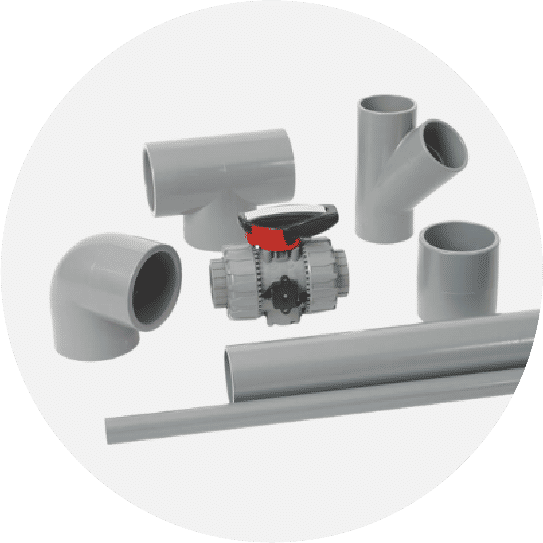
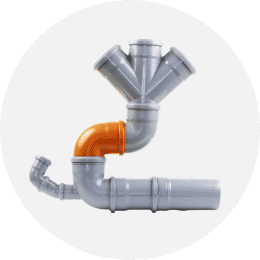
Commercial fit-out drainage in the UAE — restaurants, hotel rooms, office washrooms — typically uses DN100 (4") PVC soil stacks with DN50 (2") branch connections. Floor waste and gully connections are DN50–DN75. Ensure the correct gradient: a minimum 1:40 fall for DN100 drainage pipe [BS EN 12056-2]. Access junctions and rodding eyes must be positioned at every change of direction exceeding 45° on horizontal runs. PVC pipes and fittings for drainage are available in full sets — pipe, elbows, tees, and access fittings — to simplify procurement on fit-out projects.
Irrigation and Landscape Piping for UAE Developments
Irrigation mains in UAE landscape projects — community parks, golf courses, villa gardens — are typically buried UPVC PN10 or PN6 depending on pump head. DN50 to DN150 mains feed DN20–DN32 lateral runs to drippers or sprinkler heads. UV resistance is not critical for buried pipe, but the backfill material matters: avoid sharp aggregate directly against UPVC pipe — use fine sand bedding to a minimum 150mm above the pipe crown before general fill.
Conduit Applications for MEP and Electrical Installations
UPVC conduit on UAE MEP projects must be flame-retardant grade and certified to IEC 61386. Grey conduit for concealed use (embedded in concrete or behind ceilings), orange for surface-exposed runs. Conduit pipe is not the same product as pressure water pipe — do not substitute one for the other on site.
Jointing Methods: Solvent Cement, Rubber Ring, and Threaded Connections
Solvent Cement Jointing — Step-by-Step for Site Use
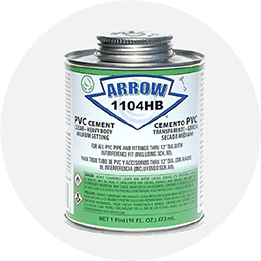
Solvent cement welding (also called solvent welding or gluing) is the dominant jointing method for PVC and UPVC pipes up to approximately DN160 on UAE building sites. The cement chemically fuses the pipe surface and fitting socket, creating a permanent joint that — when done correctly — is as strong as the pipe itself. PVC cement and primer are available from specialist adhesive brands designed specifically for this process.
Key steps for reliable solvent cement joints in UAE conditions:
- Cut pipe square — use a ratchet pipe cutter or mitre saw, not a hacksaw at angle.
- Deburr and chamfer the cut end — a sharp edge will scrape cement from the socket on insertion.
- Clean both surfaces with approved cleaner/primer — removes dust, oil, and surface oxidation. This step is especially important on UAE sites where fine desert dust settles on pipe ends within minutes.
- Apply cement to pipe end first, then socket — work quickly, especially in summer heat above 40°C where open time is severely reduced.
- Push home with a quarter-turn twist immediately — no rotation after initial push.
- Hold for 30 seconds. Allow minimum cure time before pressure testing — 24 hours at ambient temperature is standard; longer in cool weather.
Brands like Tangit and Oatey produce solvent cements and primers specifically formulated for PVC and UPVC pipe systems and are widely used on UAE construction sites.
Rubber Ring Push-Fit Joints for Larger Diameter Pipes
For pipes DN110 and above — particularly in drainage stacks and underground mains — rubber ring (elastomeric seal) push-fit joints are standard. The ring compresses as the spigot is pushed into the socket, creating a watertight seal that also accommodates thermal movement. This is the correct joint type for long underground runs where differential settlement or thermal cycling makes rigid solvent-welded joints unsuitable. Lubricate the ring and spigot with the manufacturer's specified lubricant only — petroleum-based lubricants degrade EPDM seals.
Threaded UPVC Connections for Low-Pressure Systems
BSP-threaded UPVC fittings are used at valve connections, equipment interfaces, and at the transition to metallic components. PTFE tape is the standard thread sealant — do not use pipe dope compounds not rated for plastics. Over-tightening threaded UPVC fittings is a common site error that causes cracking at the thread root; use manufacturer torque guidance and hand-tight plus one to one-and-a-half turns maximum with a strap wrench (never a pipe wrench on UPVC).
Top PVC and UPVC Pipe Brands Available in the UAE
The UAE market carries product from both locally manufactured and imported brands. The table below covers the major manufacturers actively specified and distributed in the UAE as of 2026:
| Brand | Origin | Key Product Lines | Notes |
|---|---|---|---|
| Raktherm | UAE (RAK) | UPVC pressure pipe, PVC drainage, fittings | Manufactured in Ras Al Khaimah; widely approved by UAE municipalities |
| Dubai Polymer | UAE (Dubai) | UPVC water supply, PVC drainage, conduit | Long-established local manufacturer; strong on infrastructure projects |
| ERA | China | UPVC fittings, valves, threaded components | Widely distributed across UAE; competitive on fitting hardware |
| Wefatherm | Germany / UAE | PPR and UPVC systems | Strong in high-spec residential and commercial projects |
| Vini | India | UPVC pressure pipe, drainage systems | Cost-competitive; popular on mid-range villa and apartment projects |
| Astral | India | UPVC, CPVC, drainage systems | Strong CPVC range; significant UAE distribution presence |
| Supreme | India | UPVC pressure and drainage | Well-established in UAE market; broad size range |
| Prince | India | UPVC, PVC drainage | Competitively priced; available through UAE building material distributors |
| Georg Fischer (GF) | Switzerland | UPVC, CPVC, industrial pressure systems | Specified on industrial and high-specification commercial projects |
| Genova / Charlotte Pipe | USA | Schedule 40/80 PVC, CPVC | Used on ASTM-specified projects in UAE free zones and industrial facilities |
Typical Price Ranges in AED
Prices below are indicative market ranges for standard UAE supply as of Q2 2026. Actual pricing varies by brand, order quantity, supplier, and project specification. All prices are per metre (pipe) or per piece (fittings) excluding VAT.
| Product | Size / Spec | Indicative Price (AED) |
|---|---|---|
| UPVC Pressure Pipe PN10 | DN25 (1"), per metre | 4 – 8 AED/m |
| UPVC Pressure Pipe PN10 | DN50 (2"), per metre | 10 – 18 AED/m |
| UPVC Pressure Pipe PN10 | DN100 (4"), per metre | 28 – 45 AED/m |
| PVC Drainage Pipe | DN110 (110mm), per metre | 12 – 22 AED/m |
| PVC Drainage Pipe | DN160 (160mm), per metre | 22 – 38 AED/m |
| CPVC Hot Water Pipe | DN25, per metre | 12 – 20 AED/m |
| UPVC 90° Elbow PN10 | DN50 | 6 – 14 AED/pc |
| PVC Drainage Tee | DN110 | 15 – 28 AED/pc |
| UPVC Reducer | DN50×DN25 | 5 – 12 AED/pc |
| PVC Solvent Cement (500ml) | Standard grade | 18 – 35 AED/tin |
Common Fittings: What You Need and When
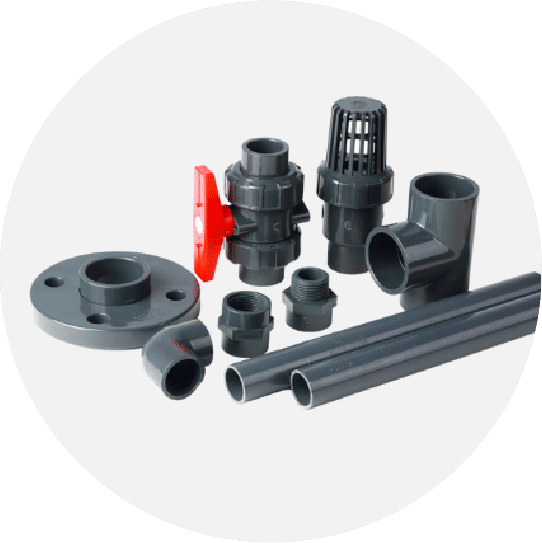
No pipe system works without the right fittings. Here are the core fitting types used in UAE PVC and UPVC systems, with notes on when each is required:
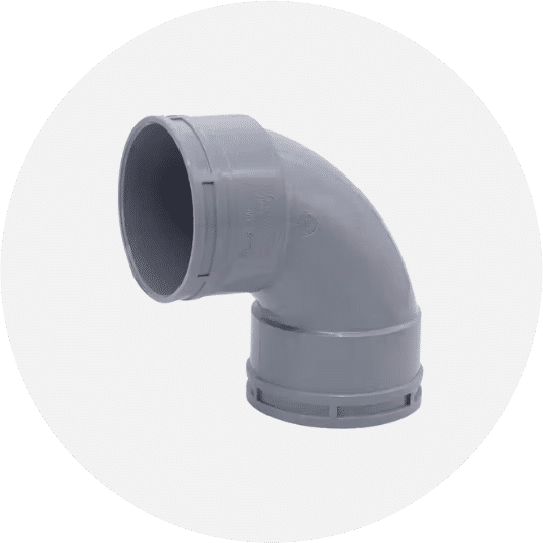
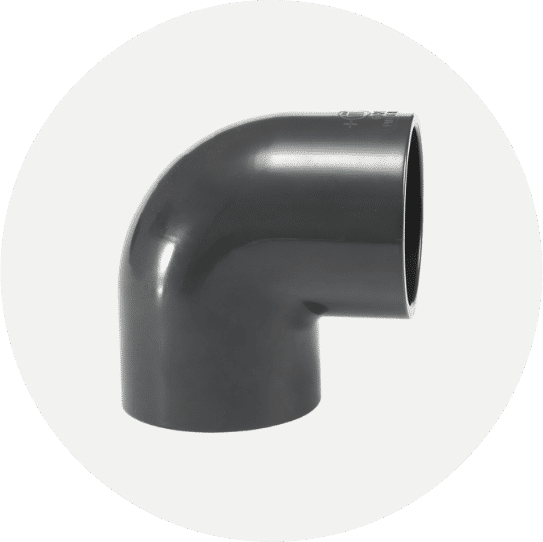
- Elbows (90° and 45°): Direction changes. PVC elbows for drainage, UPVC elbows for pressure systems. Use 45° elbows in drainage wherever possible to reduce blockage risk.
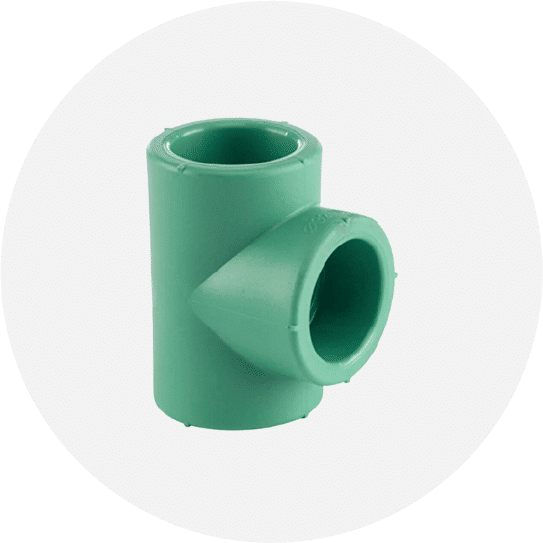
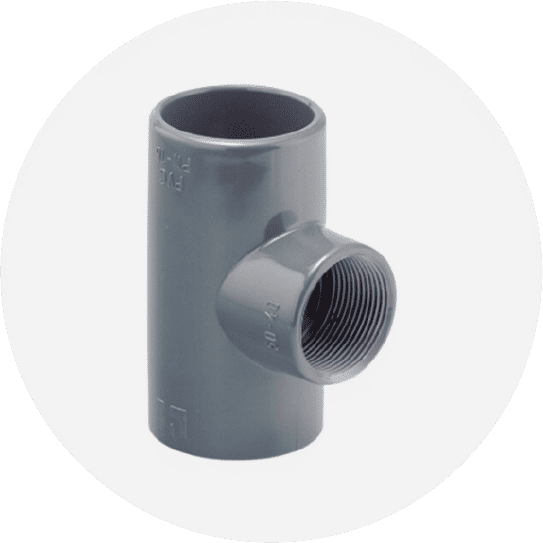
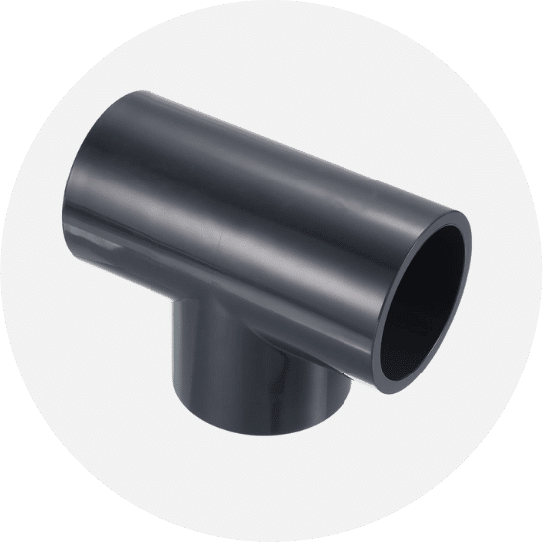
- Tees: Branch connections. PVC tees for soil and waste; UPVC tees for water supply branches.
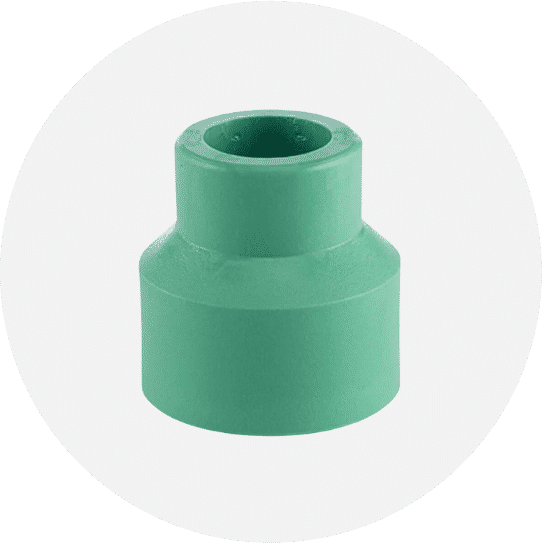
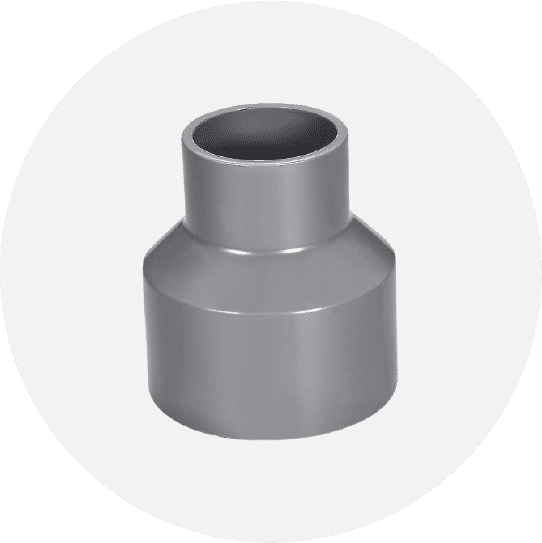
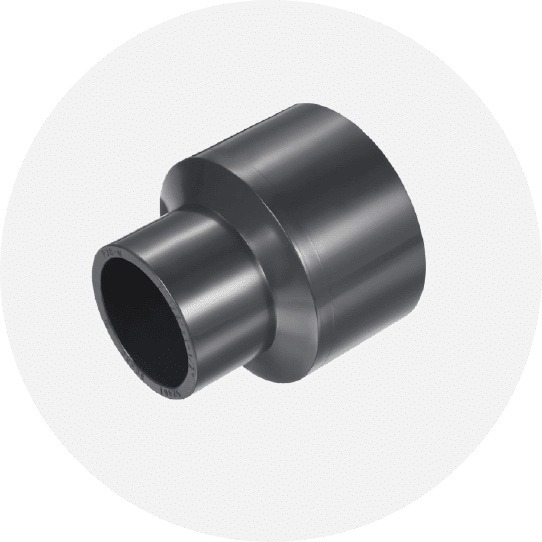
- Reducers: Stepping down pipe size at distribution points. PVC reducers and UPVC reducers are available in all standard size pairings.
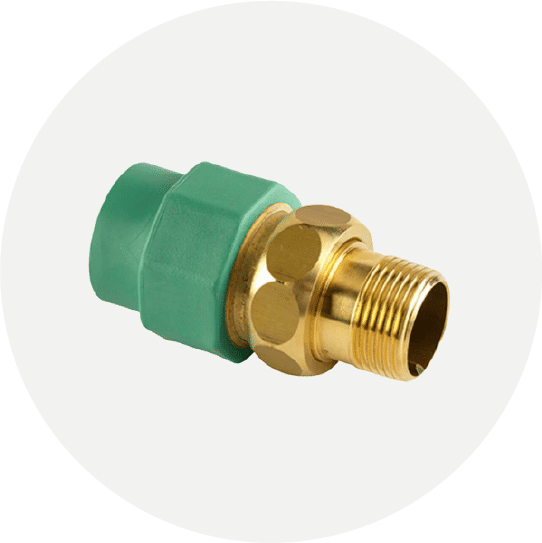
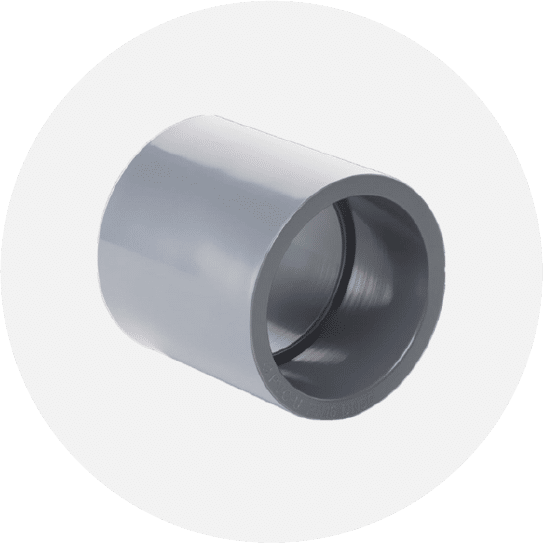
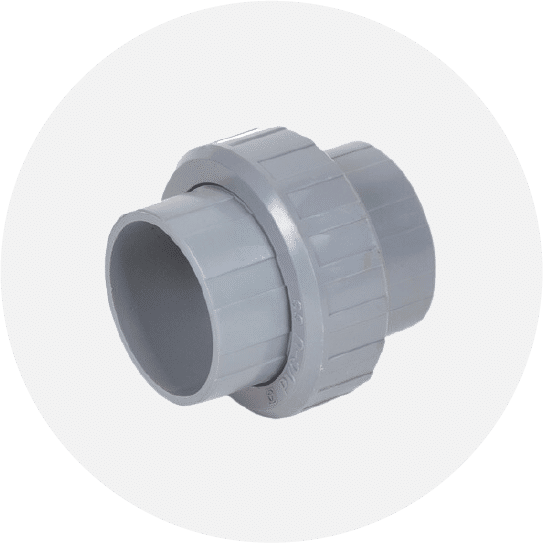
- Couplers/Unions: Joining two pipe lengths or allowing for future disconnection at maintenance points. PVC unions are essential where equipment will eventually need removal.
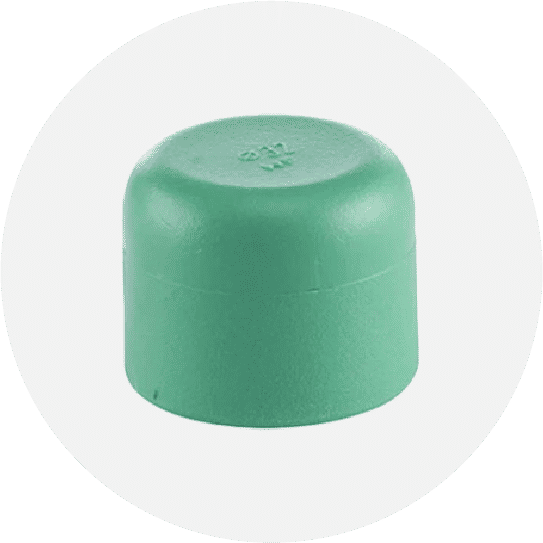
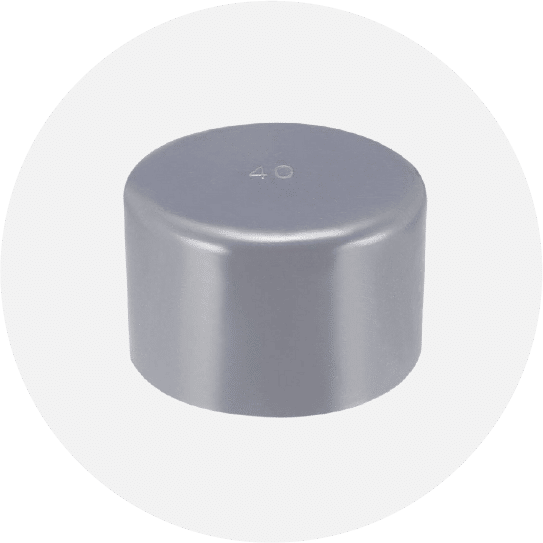
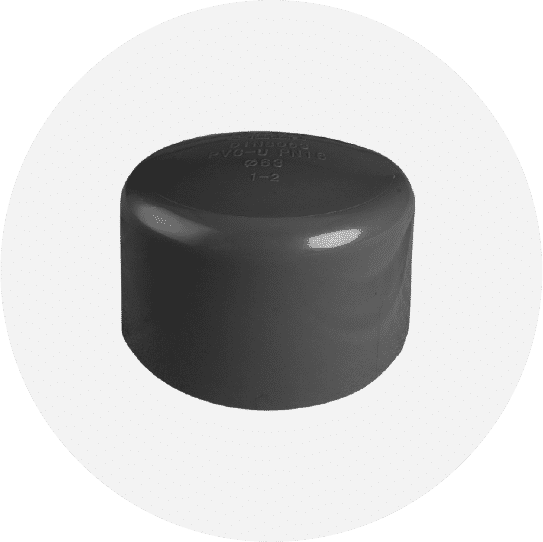
- End Caps: Sealing open pipe ends during construction — critical during pressure testing phase to blank off incomplete branches. Available as PVC end caps and UPVC end caps.
Where to Buy PVC and UPVC Pipes in the UAE
For UAE contractors, engineers, and site procurement teams, FEPY stocks a full range of PVC and UPVC piping products with next-day delivery available to Dubai, Sharjah, Abu Dhabi, and RAK for stocked items. All products listed carry verified brand and standards documentation.
- PVC Pipes — drainage and general-purpose pipe in standard lengths
- UPVC Pipes — pressure-rated water supply pipe, all PN classes
- Pipe and Pipe Fittings — complete category including all fitting types
- Plumbing category — full plumbing supply range including valves, tanks, and accessories
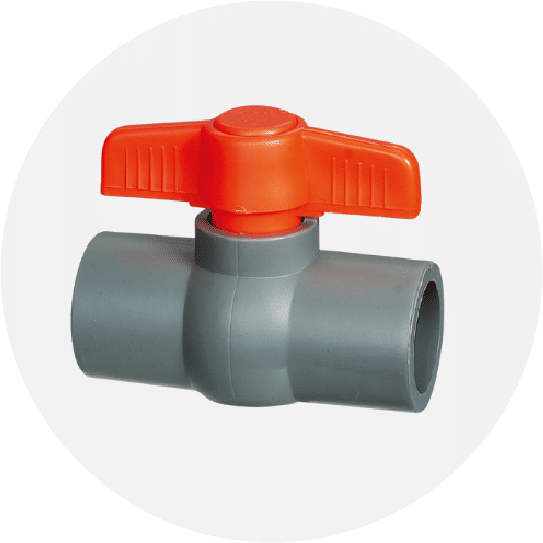
- Valves — gate valves, ball valves, and check valves for UPVC systems
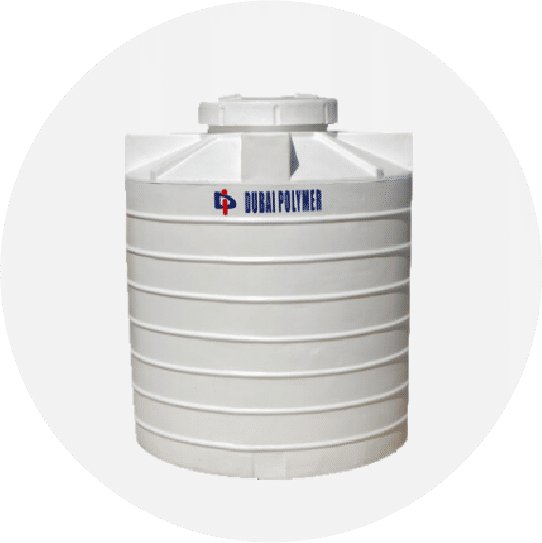
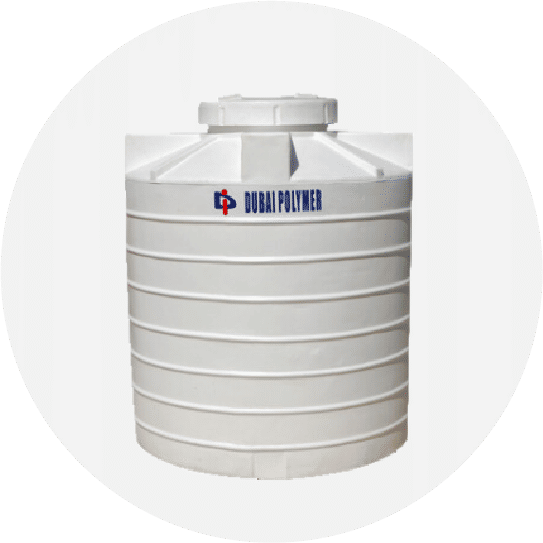
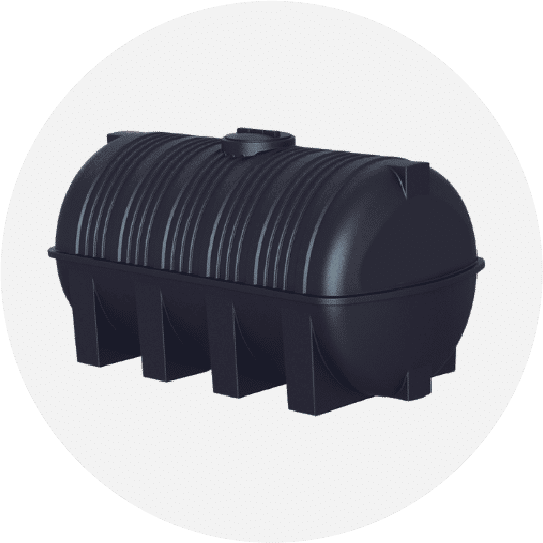
- Water Tanks — storage and break tanks to complement supply piping systems
- Pipe and Tube Cutters — ratchet cutters and wheel cutters for clean PVC/UPVC cuts on site
Sources and References
- ESMA — Emirates Authority for Standardisation and Metrology: UAE conformity requirements for building materials including piping
- Dubai Municipality — Technical Regulations for Building Drainage and Plumbing Systems
- IEC — International Electrotechnical Commission: IEC 61386 Conduit Systems for Cable Management
