












By Khalid Al Mansoori, Senior Procurement Specialist | Published: April 2026
Having sourced paint for fit-out and construction projects across Dubai Marina towers, Abu Dhabi villa compounds, and Sharjah industrial facilities, I've seen firsthand how a wrong product choice — the wrong sheen level on a coastal façade, or a standard interior emulsion in a poorly ventilated bathroom — leads to peeling within a single summer season. Paint in the UAE is not a commodity decision. The climate is hostile: surface temperatures on south-facing walls regularly exceed 70°C in July, coastal salt air accelerates film degradation, and fine desert dust embeds itself into wet paint, ruining finishes before they cure. This guide cuts through the marketing noise and gives you what you need to specify, procure, and apply paint correctly on UAE job sites in 2026.
Why UAE Climate Makes Paint Selection Critical
Extreme Heat (45–50°C+): What It Does to Paint Film
Ambient air temperatures in the UAE peak at 45–50°C, but surface temperatures on exposed masonry or metal can reach 70–80°C [Dubai Meteorological Office historical records]. Conventional paint films crack, blister, and chalk when repeatedly cycled through this thermal stress. Acrylic-based formulations with high elongation-at-break ratings — typically 150% or above [BS EN 1062-7] — handle thermal expansion far better than alkyd or solvent-based alternatives on exterior masonry. For metal substrates like cladding, rooftop plant rooms, and structural steel, heat-resistant formulations rated to 200°C or 600°C are specified depending on proximity to heat sources.
Coastal Humidity and Salt Air: The Hidden Threat to Paintwork
Buildings within 5 km of the coastline — which covers most of Dubai, Abu Dhabi, Ajman, and Ras Al Khaimah — face salt-laden air that accelerates corrosion on metal substrates and causes efflorescence on masonry. For these environments, specify paints with high salt-spray resistance [ISO 9227] and a minimum film build of 80–100 microns DFT (dry film thickness) on exterior surfaces. Elastomeric coatings that bridge hairline cracks are particularly valuable in coastal high-rise applications where concrete movement and salt ingress combine.
Fine Desert Dust and Its Impact on Exterior Surfaces
Haboob dust events deposit ultra-fine silica particles on wet or tacky paint surfaces, permanently degrading gloss finishes. On exterior facades, this is why contractors in Abu Dhabi and Al Ain increasingly specify self-cleaning or dirt-resistant topcoats with hydrophobic surface chemistry. Apply exterior topcoats during cooler hours — before 8:00 AM or after 5:00 PM — to reduce the open-time window during which dust can embed into the film.
Types of Paint Used in UAE Construction Projects
Emulsion Paint vs. Enamel Paint: Which to Use Where
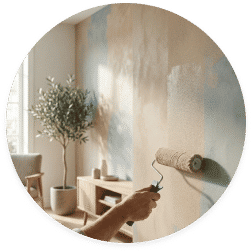
Emulsion paint is water-based, fast-drying, low-odour, and the dominant choice for interior walls and ceilings across UAE residential and commercial projects. Enamel paint — historically oil-based but now increasingly water-based — produces a harder, more durable film and is specified for doors, joinery, metal railings, and high-traffic surfaces where scrubbability matters. On a typical UAE villa fit-out, you'll use emulsion on the bulk of wall and ceiling area, and enamel or a satin finish on skirting boards, door frames, and feature elements.
Water-Based vs. Oil-Based Paints for UAE Conditions
Water-based (latex/acrylic) paints have largely replaced oil-based formulations in UAE interior applications due to lower VOC emissions, faster re-coat times (2–4 hours vs. 16–24 hours), and easier cleanup. However, oil-based alkyd enamels still appear in MEP and industrial specifications where chemical resistance and film hardness are prioritised — particularly for pipe marking, plant room floors, and heavy-duty metal protection. Always check project specifications before substituting; some engineers still mandate alkyd-based primers on structural steel.
Acrylic Emulsion for UAE Interior Walls
Premium acrylic emulsions are the backbone of UAE interior painting. Look for formulations with scrub resistance exceeding 5,000 cycles [ISO 11998 Class 1] for corridors, lobbies, and commercial spaces. Budget-grade emulsions rated Class 3 (under 200 cycles) are unsuitable for anything other than low-traffic residential bedrooms. On UAE sites, this distinction matters because MEP and finishing trades work sequentially in confined spaces — walls get marked, scuffed, and cleaned repeatedly before handover.
Washable Paint for High-Traffic Commercial Spaces
Hotel lobbies, school corridors, hospital wards, and retail fit-outs in the UAE demand Class 1 washable paint. Specify products tested to BS EN ISO 11998 scrub resistance standards — this is the single most useful data point for interior commercial specifications. A product claiming "washable" without citing this standard is meaningless.
Anti-Fungal and Anti-Mould Paint for UAE Wet Areas
Bathrooms, kitchens, laundry rooms, and basement car park stairwells in UAE buildings accumulate moisture — particularly in summer when air conditioning creates condensation on cold surfaces. Standard emulsion fails here within 12–18 months. Specify anti-fungal emulsions containing Silver Ion or Isothiazolinone-based biocides, or use a waterproof membrane system (slurry + topcoat) in shower enclosures and wet rooms. For interior paint UAE wet area applications, always prime with an alkali-resistant primer before topcoating over new cement plaster — UAE concrete mixes are highly alkaline and will saponify oil-based films without correct priming.
Weathershield and Masonry Paint for UAE Exteriors
Exterior masonry paint for UAE high-rise and villa applications must resist UV degradation, thermal cycling, carbonation, and alkali attack from concrete substrates. Elastomeric weathershield formulations with a crack-bridging capability of ≥1.0 mm [ISO 1062-7] are the industry standard for exposed façade work. These products form a flexible membrane rather than a rigid film, accommodating the structural movement common in UAE concrete frame buildings. Always specify a minimum two-coat system — primer plus two topcoats — on new build exteriors.
Heat-Reflective Exterior Paint for UAE Rooftops
Cool-roof coatings — white or light-coloured elastomeric paints with a Solar Reflectance Index (SRI) above 78 [ASTM E1980] — are increasingly specified on UAE flat roofs to reduce heat gain into occupied spaces below and extend waterproof membrane life. Some UAE municipalities now encourage their use as part of green building initiatives. These products are distinct from standard exterior paint; they're typically applied at 250–400 microns WFT and act simultaneously as a waterproof layer and thermal barrier.
Epoxy Paint for UAE Floors and Industrial Applications
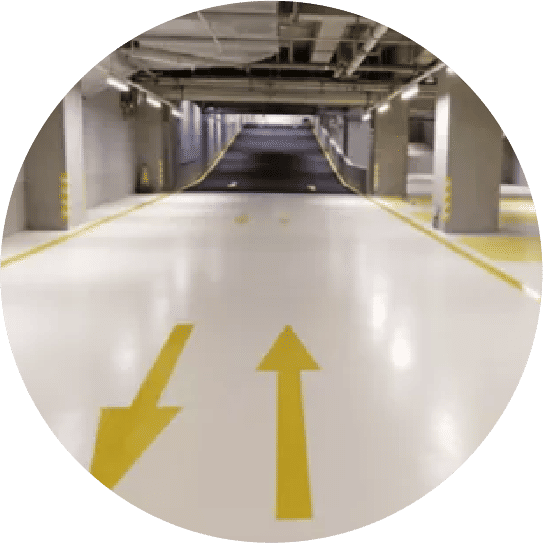
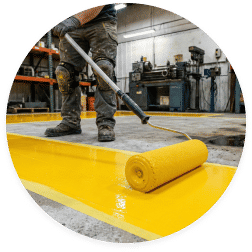
Two-component epoxy coatings dominate UAE car park decks, warehouse floors, food preparation areas, and industrial facilities. They offer outstanding chemical resistance, abrasion resistance, and easy-clean surfaces. Standard epoxy floor systems in UAE car parks are applied at 200–250 microns DFT over a shot-blasted or acid-etched concrete substrate. Specify an aliphatic polyurethane topcoat over epoxy primer in areas exposed to UV — pure epoxy yellows rapidly under UAE sunlight. Browse FEPY's range of floor coating products for epoxy and polyurethane systems suited to UAE conditions.
Anti-Carbonation Coating for UAE Concrete Structures
Carbonation — the penetration of atmospheric CO₂ into concrete, reducing pH and triggering rebar corrosion — is accelerated in UAE conditions by thermal cycling and coastal exposure. Anti-carbonation coatings with a CO₂ diffusion resistance equivalent to 50+ metres of air [BS EN 1062-6] are specified on bridge soffits, car park structures, and sea-facing concrete facades. These are a structural protection product, not a decorative one.
Intumescent Fire-Retardant Paint for UAE Commercial Projects
Structural steel in UAE commercial buildings must achieve fire resistance ratings of 30–120 minutes depending on use [Civil Defence UAE / NFPA 101]. Thin-film intumescent coatings expand under heat to form an insulating char layer, delaying steel temperature rise. Specify products with UAE Civil Defence approval; third-party tested and certified systems are mandatory on most Dubai and Abu Dhabi commercial projects. Check ESMA's product certification register for approved fire protection coatings before specifying. See FEPY's speciality paint range for fire-rated and anti-carbonation products.
Matt, Silk, Satin & Gloss: Choosing the Right Finish
Sheen level affects both aesthetics and practical performance. Here's how to match finish to application in UAE conditions:
| Finish | Gloss Level (GU @ 85°) | Best For (UAE Context) | Scrub Resistance |
|---|---|---|---|
| Matt / Flat | <10 GU | Bedroom ceilings, low-traffic residential walls | Low — avoid in wet areas |
| Silk / Eggshell | 10–35 GU | Living rooms, hotel rooms, offices | Moderate |
| Satin | 35–70 GU | Kitchens, corridors, children's rooms | Good |
| Semi-Gloss | 70–85 GU | Bathrooms, joinery, doors, trim | Very Good |
| Gloss / High Gloss | >85 GU | Metal railings, feature walls, exterior gates | Excellent |
Note: Higher gloss highlights surface imperfections. On UAE concrete block walls with rough plaster, a silk or satin finish is more forgiving than full gloss.
Top Paint Brands in the UAE Market
The UAE market is served by a mix of global manufacturers, regional producers, and local brands. Below is an honest assessment of the major players — including those FEPY stocks and those you'll encounter across UAE trade channels:
| Brand | Origin | Strengths in UAE Market | Typical UAE Applications |
|---|---|---|---|
| Jotun | Norway (UAE factory: Sharjah) | Premium weathershield, anti-corrosion, marine coatings; strong contractor support | High-rise exteriors, coastal buildings, structural steel, mega-projects |
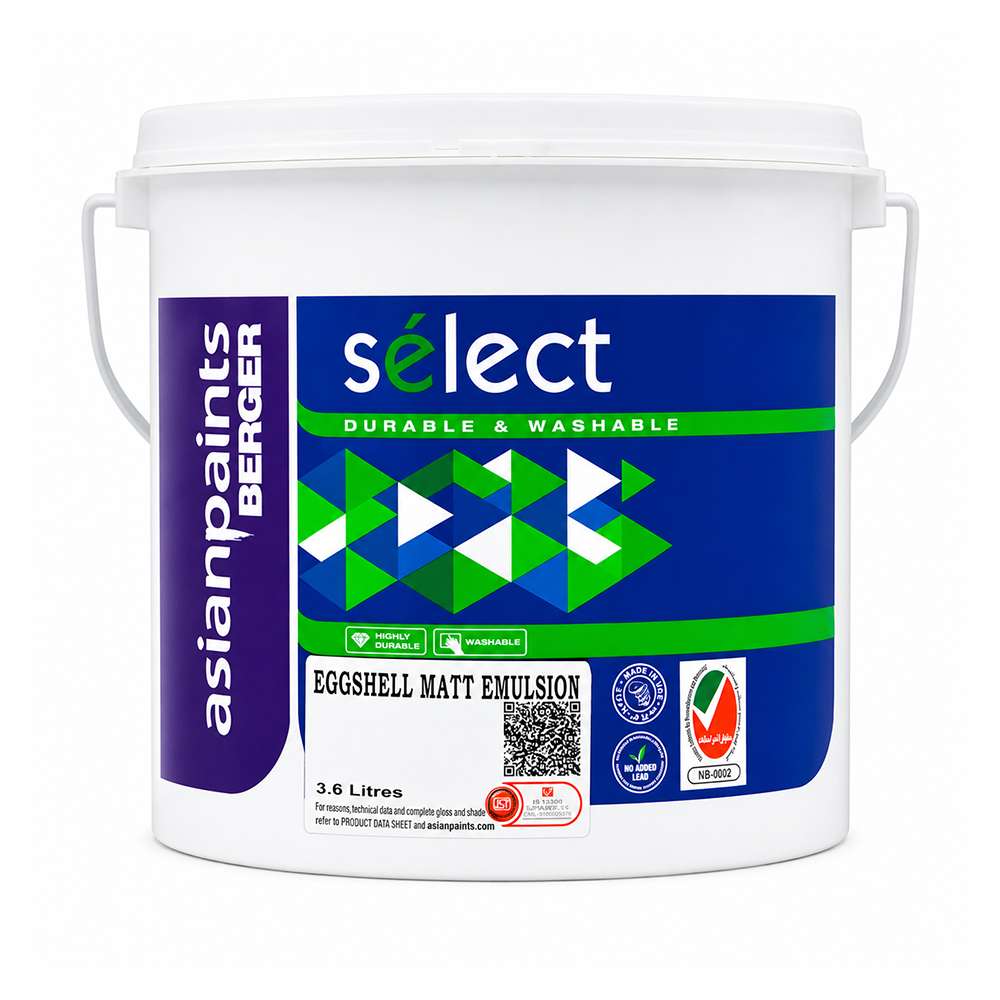
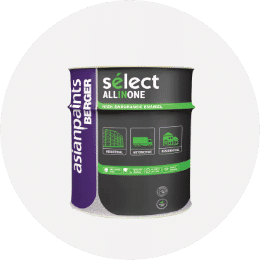
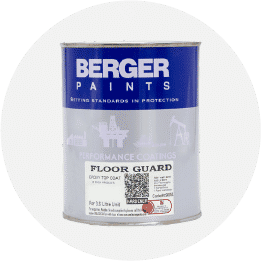
| Asian Paints Berger | India/UK (distributed UAE-wide) | Broad product range, competitive AED pricing, strong interior emulsion portfolio | Residential villas, apartments, mid-range commercial fit-out |
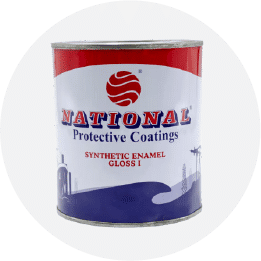
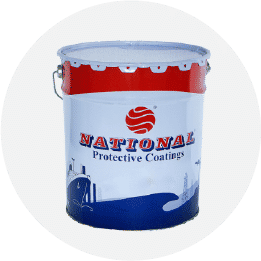
| National Paints | UAE (Sharjah — local manufacturer) | Locally manufactured, fast supply, cost-effective; climate-optimised formulations | Government projects, social housing, large-volume commercial contracts |
| Terraco | Singapore (UAE operations) | Specialist in textured finishes, waterproofing, and exterior systems | Exterior textures, EIFS systems, waterproof coatings |
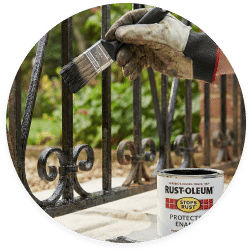
| RUST-OLEUM | USA | Industrial and protective coatings; spray paints; floor coatings | Industrial facilities, workshops, metal protection, DIY |
| Dulux (AkzoNobel) | Netherlands (UAE distributed) | Weathershield Max, Ecosure low-VOC range; strong brand recognition | Premium residential, hospitality, healthcare interiors |
| Sherwin-Williams | USA | Commercial and industrial coatings, Emerald and Duration ranges | Commercial projects, industrial, hospitality |
| Nippon Paint | Japan (UAE distributed) | Strong interior emulsion range; anti-mould formulations; competitive pricing | Residential, light commercial, interior fit-out |
| Caparol | Germany | European-spec exterior systems; silicate and silicone-resin paints | High-specification façade work, heritage restoration |
| Birla White | India | Wall putty and white cement products; surface preparation specialist | Pre-paint surface levelling, wall putty systems |
| Tintol | Portugal (UAE distributed) | Tinting bases and colour systems for on-site mixing | Colour matching, custom tinting, decorative finishes |
Surface Preparation Before Painting in UAE Conditions
Priming UAE Concrete and Masonry Surfaces Correctly
New concrete and cement plaster in the UAE cures in an alkaline environment (pH 12–13). Applying topcoat directly without an alkali-resistant primer results in saponification of the binder — the paint literally dissolves from the inside out. Allow new plaster a minimum 28-day curing period before priming [BS 8000-12]. In UAE summer conditions, curing happens faster, but salt contamination and dust settlement on green plaster surfaces require surface washing with clean water before primer application. FEPY stocks a comprehensive range of primers and sealers for UAE concrete and masonry substrates.
Crack Filling and Surface Levelling Before Painting
UAE concrete frame buildings experience thermal movement that creates hairline cracks in plaster — especially on east and west elevations that cycle through sun exposure and shade. Fill all cracks with flexible acrylic filler before painting; use wall putty to level uneven plaster surfaces before applying topcoat. FEPY's wall putty range includes polymer-modified and white cement-based systems suited to UAE substrates.
Applying Paint in UAE Summer: Temperature and Timing Rules
Most quality paint manufacturers specify application between 10°C and 35°C substrate temperature. In UAE summer, surface temperatures exceed 50°C by mid-morning. Paint applied to hot surfaces flashes off solvents too rapidly, preventing proper film formation and adhesion. Organise exterior painting work for early morning shifts (5:00–9:00 AM) or evening (after 6:00 PM) between June and September. Interior painting during UAE summer is more manageable with air conditioning, but maintain RH below 85% and avoid painting directly under A/C units where condensation risk is elevated.
How to Read Paint Specifications: Coverage & VOC
Coverage Rates: How to Calculate Litres Per Square Metre
Theoretical coverage is stated in m²/litre on every paint datasheet — but practical coverage on rough UAE blockwork is 15–30% lower due to surface absorption and texture. Use this formula:
Litres required = (Area m² × Number of coats) ÷ (Theoretical coverage × 0.80)
For example: A 200 m² apartment with 2 coats of an emulsion rated at 12 m²/litre: (200 × 2) ÷ (12 × 0.80) = 400 ÷ 9.6 = 41.7 litres. Round up to the nearest pack size — typically 3.5L, 7L, 18L, or 20L tins.
Understanding VOC Ratings and UAE Indoor Air Quality
Volatile Organic Compounds (VOCs) evaporate from paint during and after application. In UAE apartments and villas where windows are kept closed year-round due to heat, VOC accumulation is a genuine air quality concern. The EU Decopaint Directive [Directive 2004/42/CE] classifies interior wall paints: matt <30 g/L VOC (Category A/a), other interior finishes <100 g/L. Specify low-VOC or zero-VOC formulations for occupied spaces, particularly hospitals, schools, and residential units. Major brands now offer compliant ranges: Jotun's Majestic, Dulux Ecosure, and several Berger products achieve sub-30 g/L VOC levels.
Price Guide: Paint Costs in the UAE (AED)
| Category | Pack Size | Budget Range (AED) | Mid-Range (AED) | Premium (AED) |
|---|---|---|---|---|
| Interior Emulsion | 18–20L | 80–130 | 140–220 | 230–400 |
| Exterior Masonry / Weathershield | 18–20L | 130–200 | 210–320 | 330–550 |
| Anti-Fungal Interior Paint | 5–7L | 60–90 | 95–150 | 160–240 |
| Epoxy Floor Coating (2K) | 5–10L kit | 120–180 | 190–320 | 330–600 |
| Primer / Sealer | 18–20L | 70–110 | 115–180 | 185–280 |
| Intumescent / Fire-Retardant | 5L | — | 280–450 | 460–900+ |
Prices are indicative for UAE market Q2 2026. Bulk project pricing and contractor rates will differ. Contact FEPY for project quotations.
Safety, Compliance & UAE Standards for Paint
Paint products sold in the UAE must comply with ESMA (Emirates Authority for Standardisation and Metrology) requirements. ESMA regulates VOC limits, heavy metal content (lead, chromium), and labelling requirements for paint products in the UAE market. Verify that any paint specified on UAE government or municipality projects carries valid conformity marks. Check the ESMA product conformity portal for registered products and approved test laboratories.
For Dubai Municipality projects, paint specifications must align with the Dubai Municipality Green Building Regulations, which set VOC limits for interior coatings used in new residential and commercial construction. Fire-retardant coatings require UAE Civil Defence product approval — obtain the approval certificate from the manufacturer before procurement.
Where to Buy Paint in the UAE
FEPY supplies a full range of paint and coating products to contractors, fit-out companies, MEP teams, and property owners across the UAE with next-day delivery available in Dubai, Sharjah, and Abu Dhabi. Browse the complete range by category:
- Paint & Paint Accessories — full category
- Paint — all types and brands
- Exterior Paint UAE — weathershield, masonry, elastomeric
- Decorative Paint UAE — textured and feature finishes
- Metal Paint UAE — primers and topcoats for steel and iron
- Wood Paint UAE — interior and exterior timber coatings
- Interior Textures — roller and trowel-applied decorative finishes
- Exterior Textures — sand, pebble-dash and acrylic render finishes
- Spray Paints UAE — aerosol and industrial spray systems
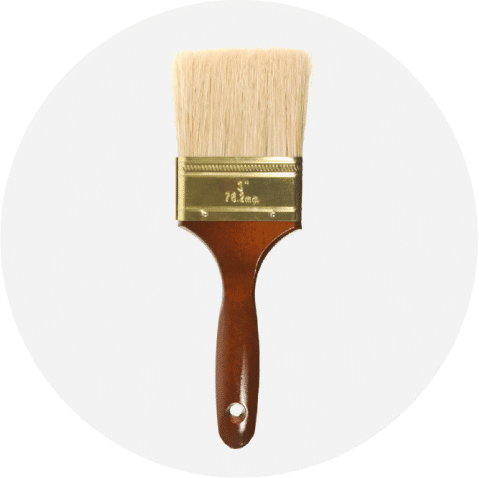
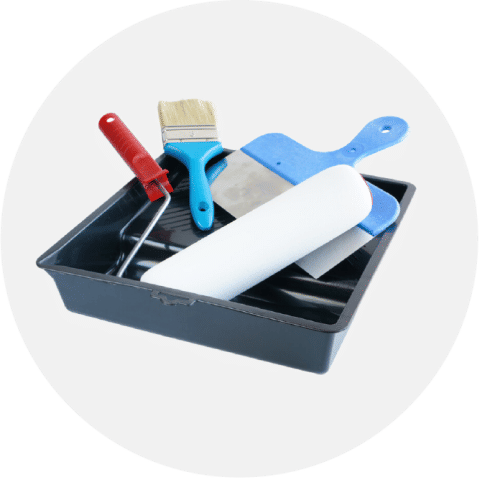
- Paint Accessories — trays, tape, sheeting, masking tools
- Rollers — foam, microfibre and texture rollers
- Brushes — cut-in, flat and round brushes for all applications
- Painting Chemicals & Cleaners — thinners, strippers, and brush cleaners
Sources & References
- ESMA — Emirates Authority for Standardisation and Metrology: UAE Paint Product Standards & Conformity
- BSI Group — BS EN 1062 and ISO 11998: Exterior Coating and Scrub Resistance Standards for Architectural Paints
- Dubai Municipality — Green Building Regulations: VOC Limits and Indoor Air Quality Requirements for UAE Construction